


The Asian Scientist 100
Di Li

Institution
National Astronomical Observatories of the Chinese Academy of Sciences
Country
China
Field
Aerospace & Astronomy
Li received the Marcel Grossmann Award for his pioneering contributions in the field of fast radio bursts. Li is the first scientist in China to receive this prize for research conducted within China.
(Photo: The Paper)
AWARDS
- Marcel Grossmann Award
Related articles

Rewiring Sweetness: How The Brain Learns To Taste Better
Researchers reveal that taste sensitivity is a trainable skill, with potential applications in treating age-related appetite loss and taste disorders.

Why High Altitudes Trigger Headaches
At the summit of Mount Fuji, researchers tracked blood flow in climbers’ brains and found that shifts in how blood moves through key arteries may hold the answer to acute mountain sickness.
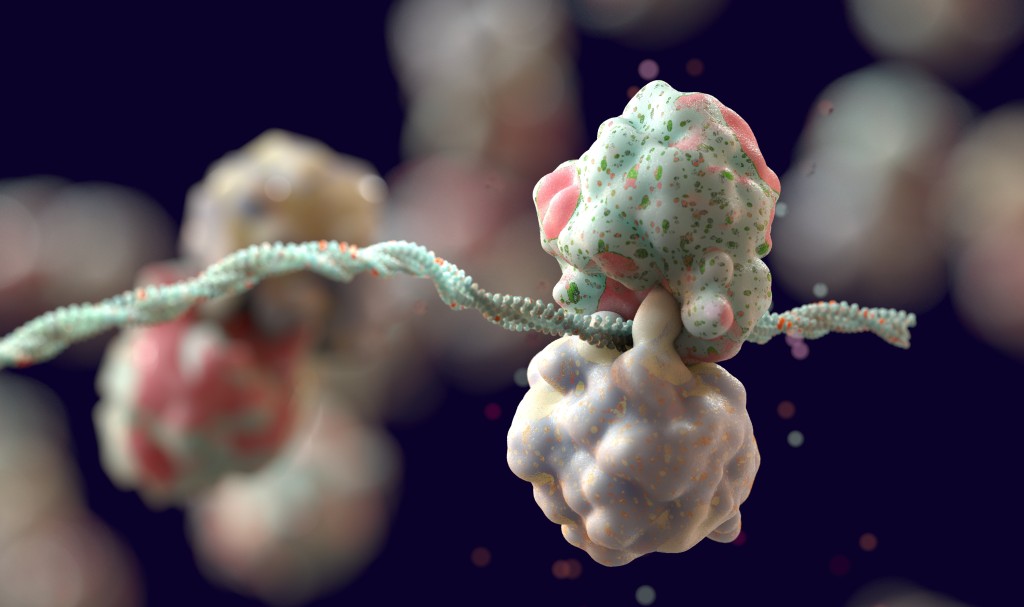
Ribosome Fight Club: How Cells Eliminate Inefficient Ribosomes
Poorly performing ribosomes are eliminated in a ‘survival of the fittest’ mechanism, ensuring the quality of protein synthesis in cells.

Just Five Minutes Of Light Exercise Boosts Children’s Brain Power And Mood
As children worldwide spend more time seated and less time active, Japanese researchers have discovered that even minimal amounts of physical activity can make a significant impact.

A*STAR Scientists Discover Molecular Switch For Viral Defense
Singapore scientists have for the first time identified the molecular 'switch' that directly triggers the body’s first line of defense against pathogens.

Depression May Be An Immune Disorder As Much As A Mental One
Scientists have found that an overactive immune system may underlie a common but difficult-to-diagnose form of depression.

Meet Balanophora, The Parasitic Plant That Barely Qualifies As A Plant
Researchers have traced how Balanophora evolved an extreme parasitic lifestyle—shrinking its plastid genome and, in some species, abandoning sexual reproduction entirely.
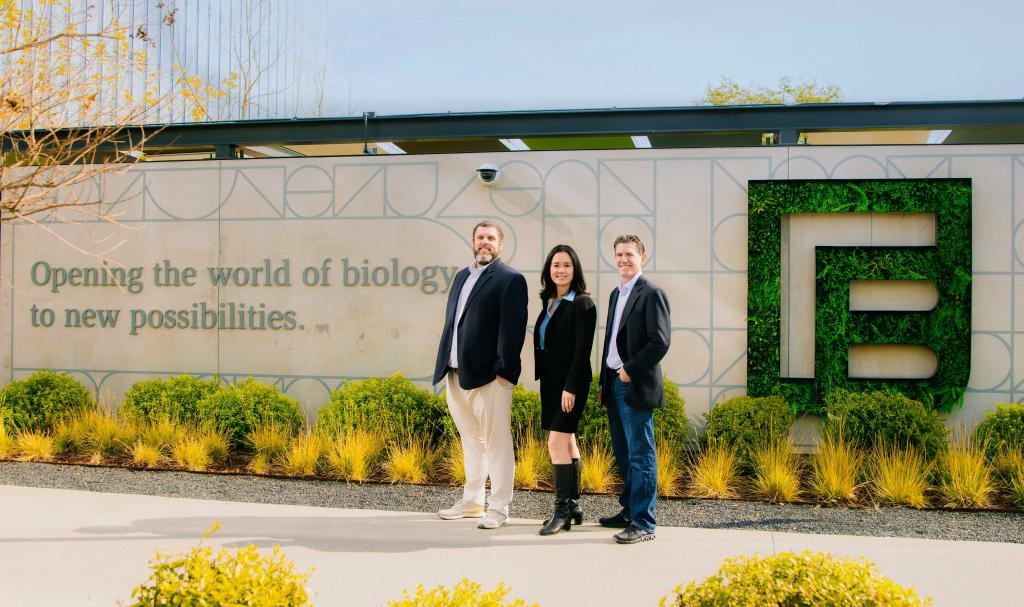
Building The Future Of Biology: A Conversation With Molly He Of Element Biosciences
Element Biosciences is breaking down barriers in genomics by bringing laboratory-grade sequencing and multi-omics technology to scientists everywhere.

Defining The Future of Science At GYSS 2026
The 14th Global Young Scientists Summit gathered young researchers and eminent speakers for fruitful conversations that explore the path of research today.