


The Asian Scientist 100
Di Li

Institution
National Astronomical Observatories of the Chinese Academy of Sciences
Country
China
Field
Aerospace & Astronomy
Li received the Marcel Grossmann Award for his pioneering contributions in the field of fast radio bursts. Li is the first scientist in China to receive this prize for research conducted within China.
(Photo: The Paper)
AWARDS
- Marcel Grossmann Award
Related articles

Plastic-Eating Bacteria Just Got A Powerful Upgrade
NUS researchers have cracked two of the biggest obstacles in engineering microbes for industry: speed and reliability — using a bacteria-killing virus as their secret weapon.

Scientists Create Fluorescent Dye That Survives Extreme Acidic Conditions
The finding could improve medical imaging, chemical sensing, and research conducted under extreme conditions.

Researchers Uncover Hidden Oxygen Dynamics Inside Ceria Catalysts
Ceria nanoparticles switch between surface oxygen capture and internal oxygen transfer depending on size, offering a new lever for designing catalysts tailored to specific reaction conditions.

Quitting Tobacco Could Push 20 Million Indian Families Into Higher Income Class
Using government survey data, a new study finds tobacco drains household budgets, while quitting could unlock gains.
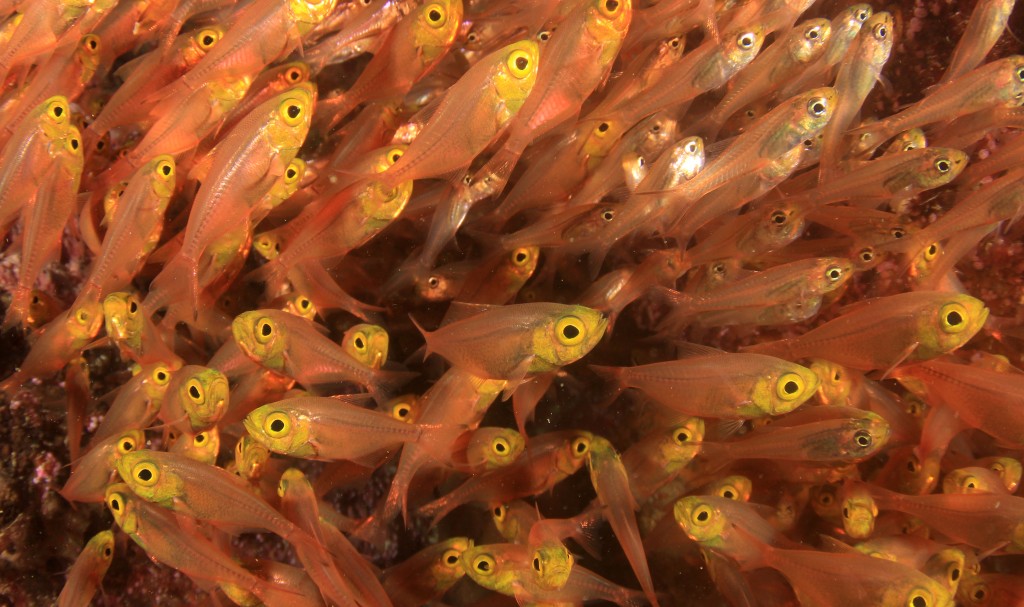
This Fish Glows By Stealing Light From Its Prey
New genomic evidence confirms that the golden sweeper fish glows not by its own genes, but by stealing glowing proteins from its prey.
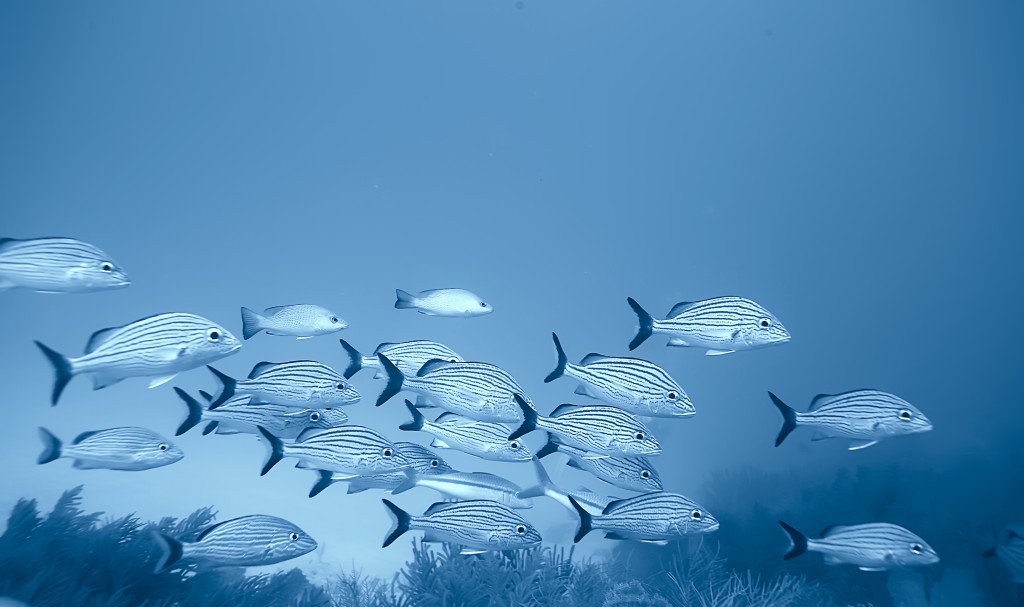
The Secret Light Compass Inside A Fish’s Brain
Zebrafish integrate light signals from the eyes and pineal organ to guide vertical movement in response to changes in light wavelength.

Brain’s “Brake Gate” May Hold Key To Preventing Drug Addiction Relapse
The study shows that specific parvalbumin-positive neurons in the prefrontal cortex control cocaine-seeking behaviour and could be targeted for addiction treatment.
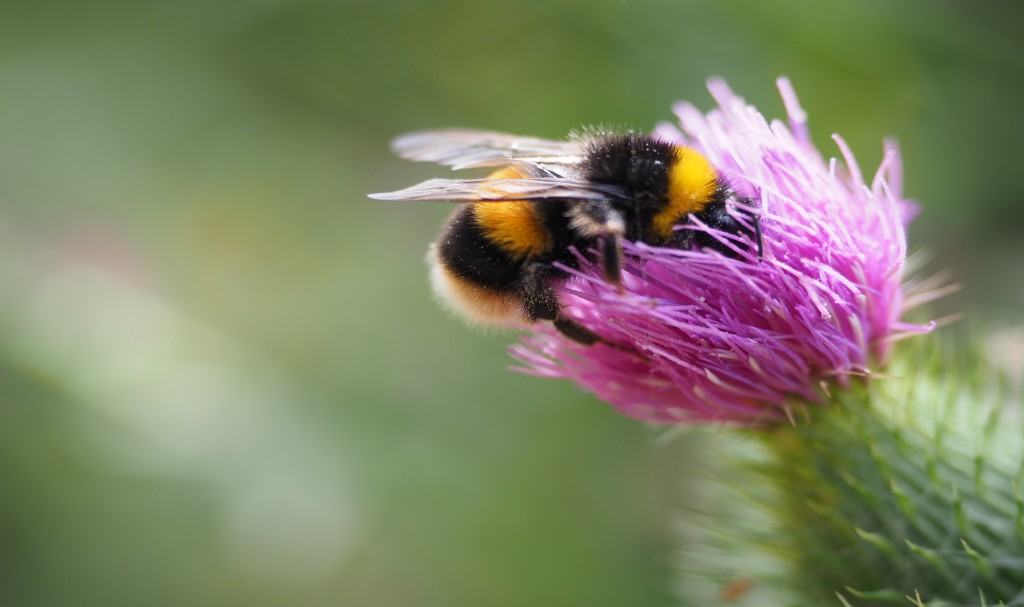
Bees Break Their Own Rules: Why Popular Flowers Beat Pretty Ones
Social information can override bumblebees’ innate colour preferences, reshaping how flowers compete for pollinators.
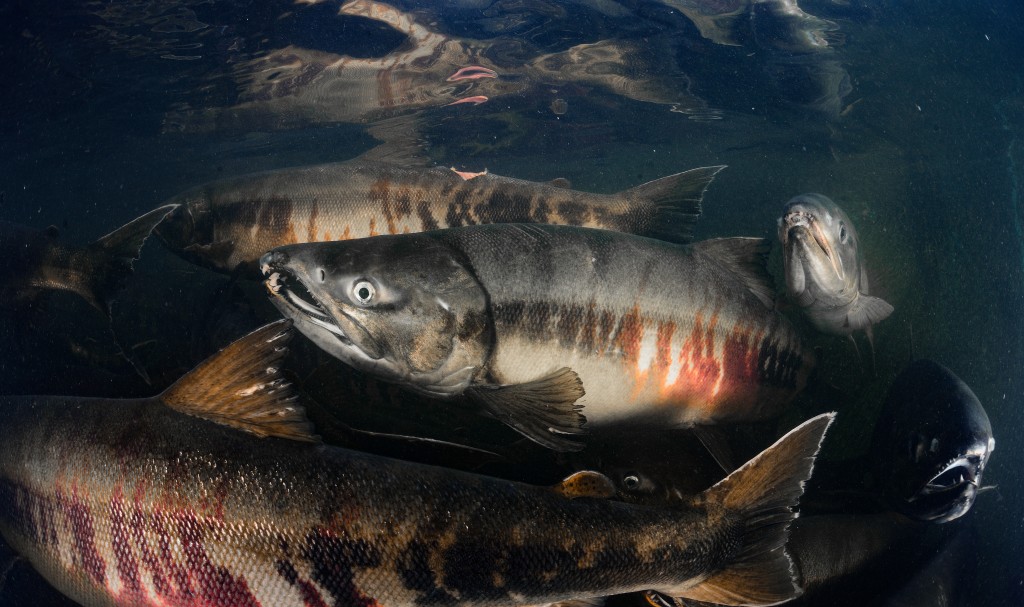
Warming Seas Push Japan’s Iconic Salmon North
Warming oceans, shrinking food supplies, and extreme heatwaves are pushing Japan’s iconic fish toward colder waters.