


The Asian Scientist 100
Di Li

Institution
National Astronomical Observatories of the Chinese Academy of Sciences
Country
China
Field
Aerospace & Astronomy
Li received the Marcel Grossmann Award for his pioneering contributions in the field of fast radio bursts. Li is the first scientist in China to receive this prize for research conducted within China.
(Photo: The Paper)
AWARDS
- Marcel Grossmann Award
Related articles

Older Adults Prefer AI Companions That Don’t Pretend To Be Human
A new study suggests that authenticity and natural interaction, rather than human-like design, may encourage older adults to embrace AI chatbots for companionship.

7 Must-Read Stories In July 2016
A list of India’s top scientists and features on Singapore’s scientific pioneers made for popular reads in July 2016.
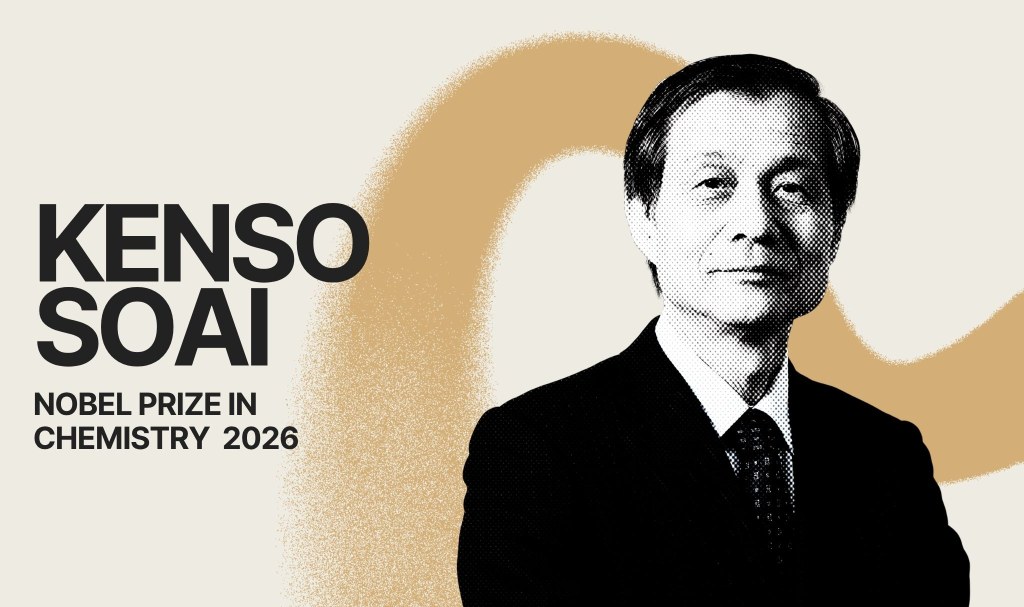
Japanese Scientist Kenso Soai Wins Chemistry Nobel Prize With French Scientist Henri B. Kagan
The researchers won the award for solving a long standing mystery in chemistry: homochirality.

Water Isotopes Offer A New Way To Improve Weather Forecasts
A study using satellite observations from 2014 to 2019 finds that adding water isotope data to weather models can improve forecasts by up to five days.
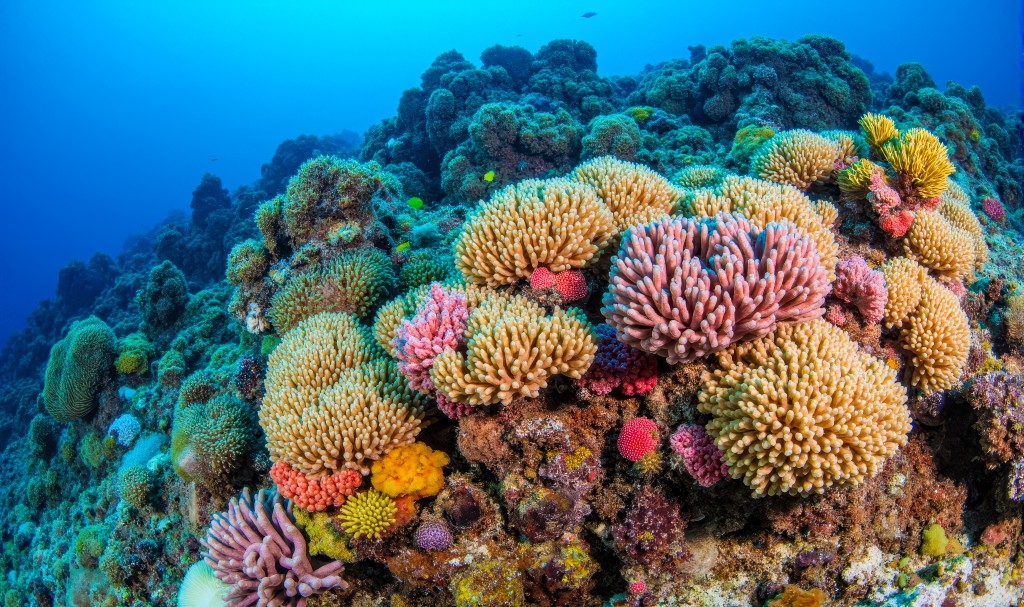
Coral Reefs May Not Grow Fast Enough To Keep Pace With Rising Seas
Corals may be unable to keep up with rapidly rising sea levels, threatening marine wildlife and coastal communities

This Molecular Switch Helps Triple-Negative Breast Cancers Resist Treatment
Researchers uncover how the long non-coding RNA Smyca helps triple-negative breast cancer cells repair DNA damage and survive treatment.
The First 24 Hours of A Viral Infection May Help Determine Its Outcome
A Japanese study in mice suggests that differences in the body’s antiviral response emerge within a day of infection, and may help explain why the same virus affects individuals so differently.
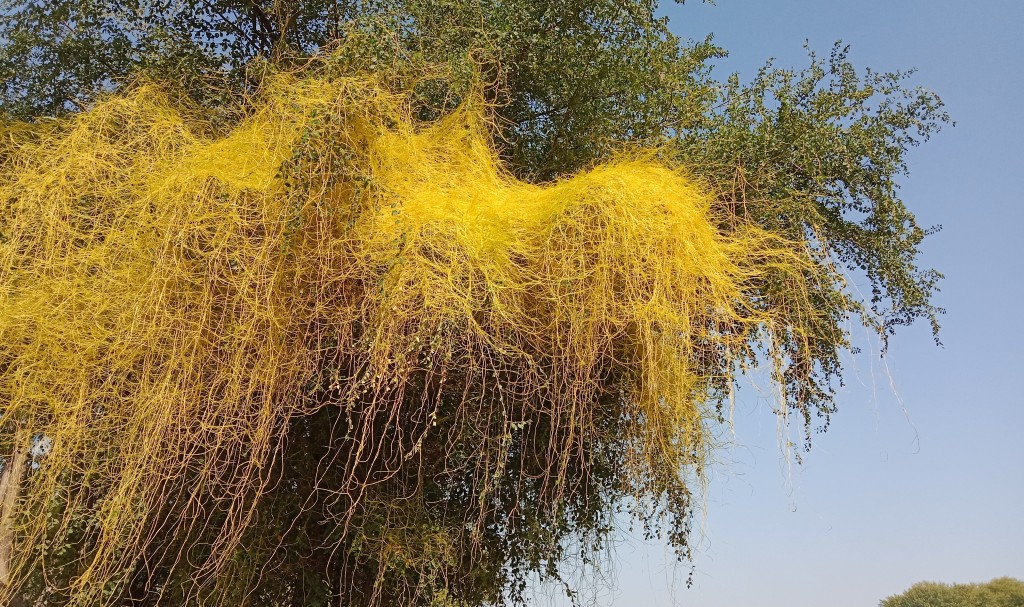
How These Parasitic Vines Don’t Just Steal Nutrients. They Steal Genes, Too
Dodders borrowed a sesamin-producing gene from an ancient host millions of years ago, and reshaped it to fit their own biology.

For Some Disaster Survivors, The Trauma Can Last Over A Decade
A 15-year study of Great East Japan Earthquake survivors found that worsening post-traumatic stress symptoms during the first two years were strongly linked to persistent symptoms years later.