


ENVIRONMENT
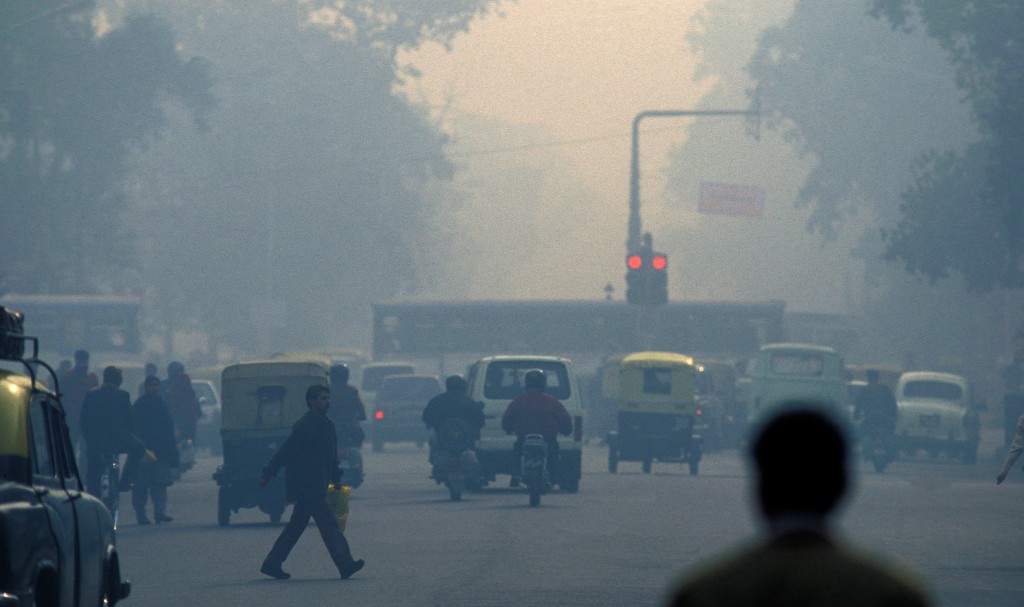
Extreme Heat May Be Making India’s Air Pollution Problem Worse
Researchers found that concentrations of organic carbon particles can rise sharply during extreme heat, adding to the pollution already in the air.

Water Isotopes Offer A New Way To Improve Weather Forecasts
A study using satellite observations from 2014 to 2019 finds that adding water isotope data to weather models can improve forecasts by up to five days.
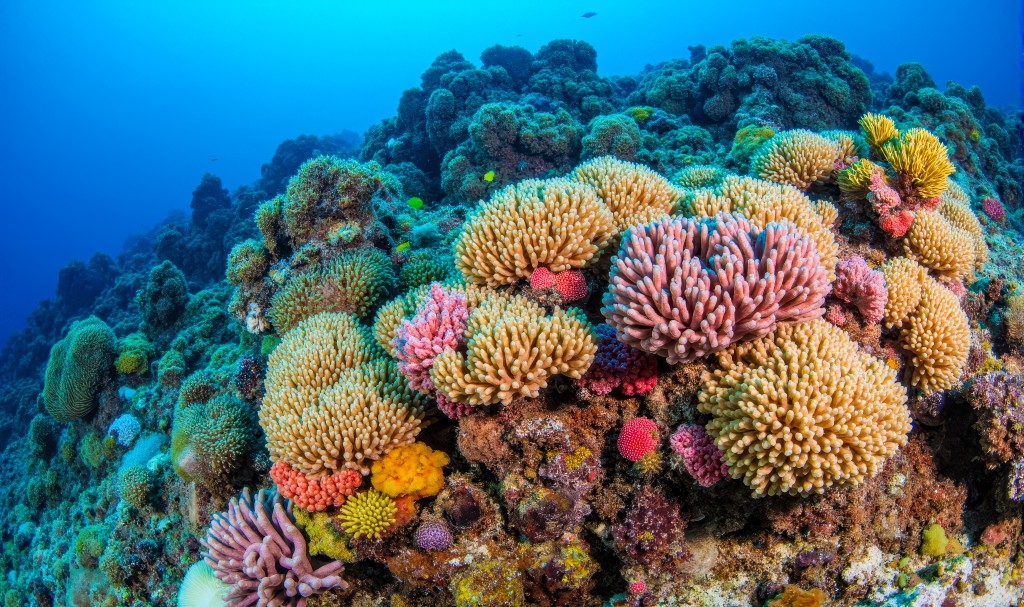
Coral Reefs May Not Grow Fast Enough To Keep Pace With Rising Seas
Corals may be unable to keep up with rapidly rising sea levels, threatening marine wildlife and coastal communities
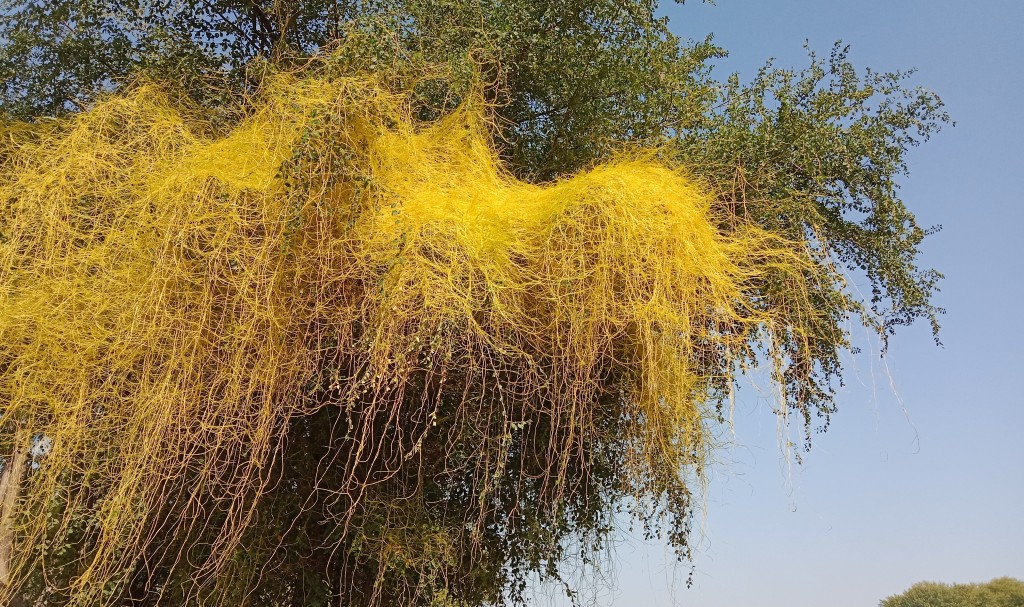
How These Parasitic Vines Don’t Just Steal Nutrients. They Steal Genes, Too
Dodders borrowed a sesamin-producing gene from an ancient host millions of years ago, and reshaped it to fit their own biology.

This New Tech Could Help The Ocean Absorb More CO₂
The technology can extract dissolved carbon from seawater and lock it away as stable minerals, potentially enabling long-term carbon storage with lower energy use.
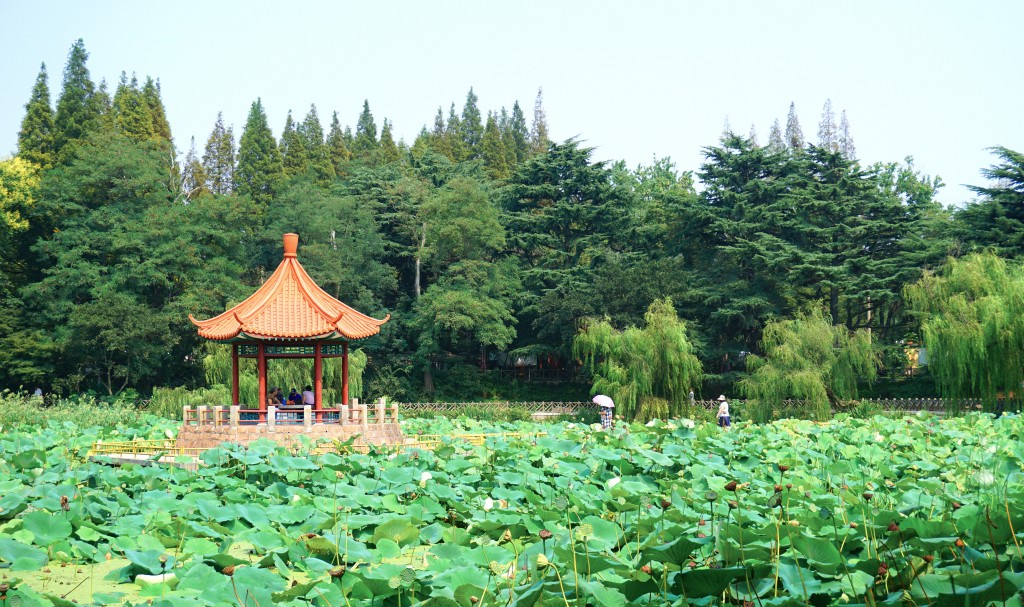
China’s Planted Forests More Vulnerable To Disasters Than Natural Forests
Unlike new trees, older trees in natural forests often have deeper root systems that can access water stored deeper in the soil, helping forests withstand sudden moisture shortages.

Butterflies Reveal What A “Healthy” Forest May Be Hiding
Different butterfly groups respond differently to habitat loss and human activity, offering scientists a new way to monitor ecosystem health.

The Look Of Your Neighbourhood Could Affect Your Sleep
A study of Tokyo neighbourhoods finds that greenery and a sense of safety may help people sleep longer, while areas with more sidewalks and traffic signs could have the opposite effect.
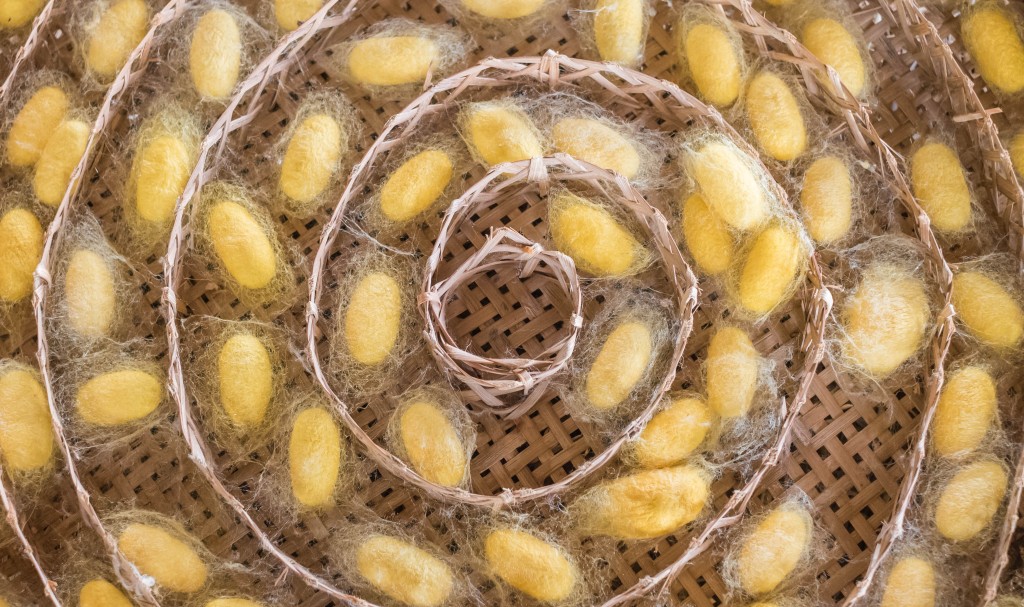
Adding Fiber To Silkworms’ Diet Makes Their Silk Stronger
Researchers developed silk that has higher tensile strength and is less prone to shrinking by simply feeding silkworms with fiber-enriched food.
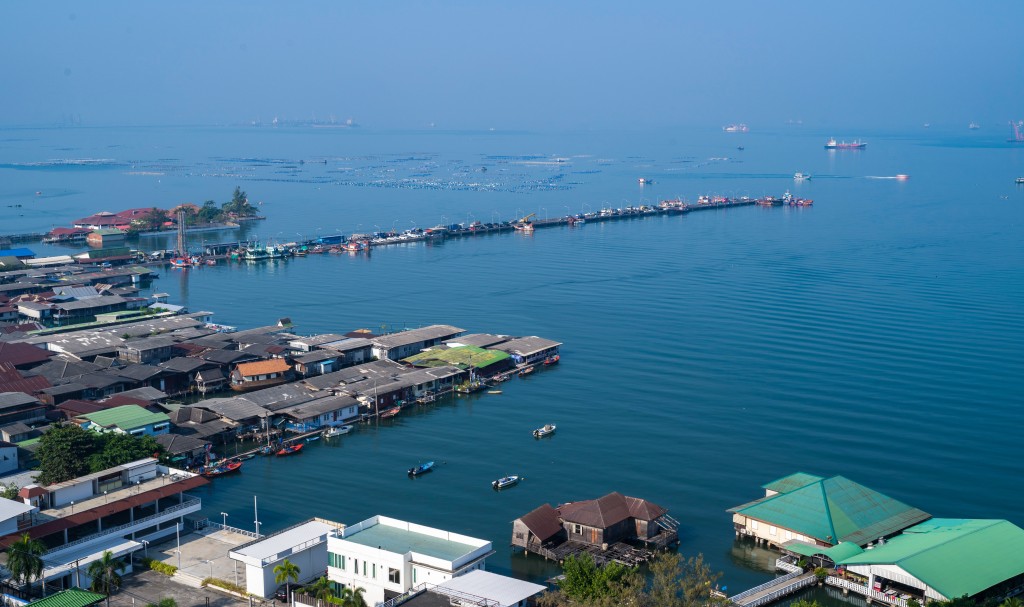
The 2004 Sumatra Earthquake Is Still Moving The Ground—600 km Away
A new study finds that land up to 600 km from the earthquake’s epicentre continues to sink by a few millimetres each year.


