


The Asian Scientist 100
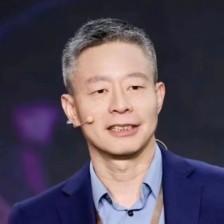
Di Li
Institution
National Astronomical Observatories of the Chinese Academy of Sciences
Country
China
Field
Aerospace & Astronomy
Li received the Marcel Grossmann Award for his pioneering contributions in the field of fast radio bursts. Li is the first scientist in China to receive this prize for research conducted within China.
(Photo: The Paper)
AWARDS
- Marcel Grossmann Award
Related articles

Dopamine Loss Linked To Alzheimer’s Memory Decline
Restoring dopamine signalling reversed memory deficits in mice with Alzheimer's disease.
Study Suggests Herbal Cigarettes May Be As Harmful As Tobacco
Smoke from popular herbal cigarettes sold in India contained as many—or more—harmful fine particles and oxidative compounds as conventional tobacco cigarettes.
New AI Tool Boosts Pancreatic Cancer Detection
Cancer leaves behind a distinct chemical trail in the bloodstream. Now, researchers have trained an AI system to read those metabolic clues and spot pancreatic cancer more accurately.

Ultrathin Solar Cells Could Turn Building Windows Into Power Generators
Using a thermal evaporation process, scientists created ultrathin perovskite films that allow visible light to pass through while generating electricity from sunlight.
Loss of X Chromosome May Reduce Chances Of Natural Pregnancy
As more women delay parenthood, researchers are searching for better ways to assess fertility. A new study points to loss of the X chromosome as a potential indicator of declining reproductive potential.
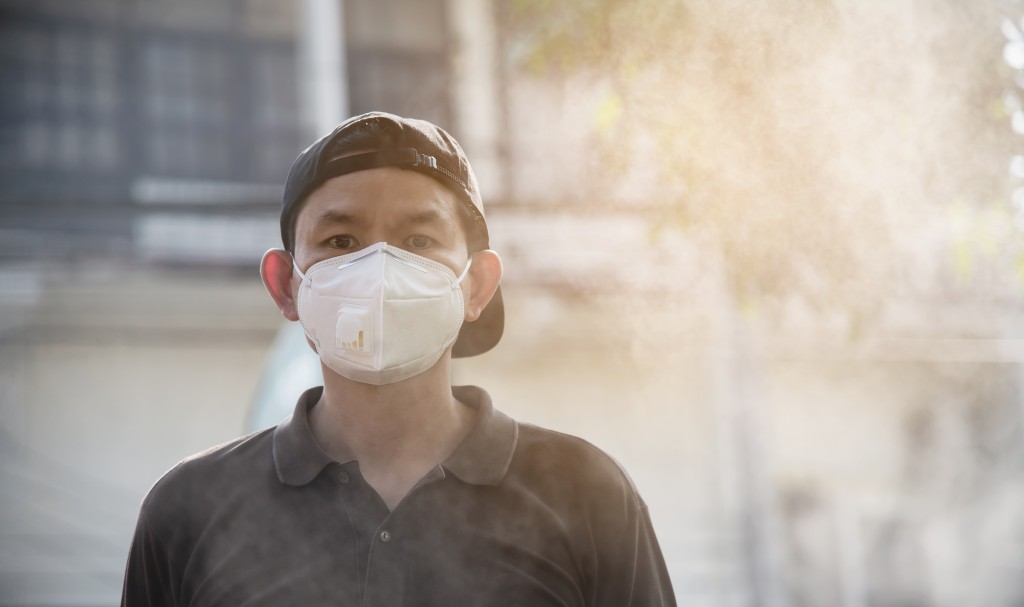
New Study Reveals Hidden Sources Of Lead In Manila’s Air
The end of leaded gasoline was hailed as a major public health victory, but researchers warn that lead pollution remains a persistent threat in Metro Manila, driven largely by industry, waste processing and vehicle emissions.
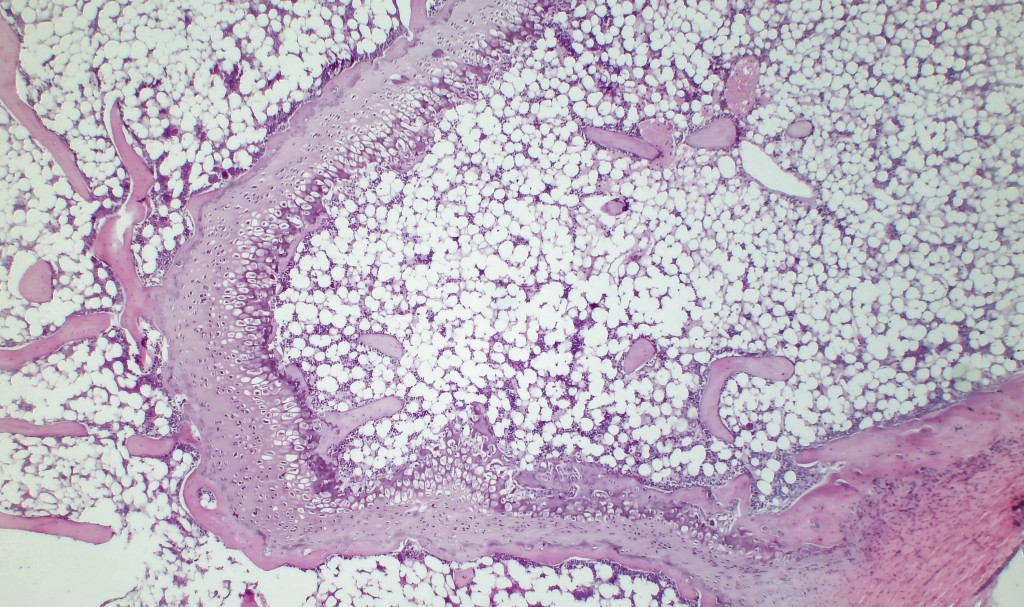
Researchers Identify The Cells That Make Space For Bone Marrow
A newly identified population of connective tissue cells helps hollow developing bones before handing off the task to marrow stromal cells that maintain the growing cavity.
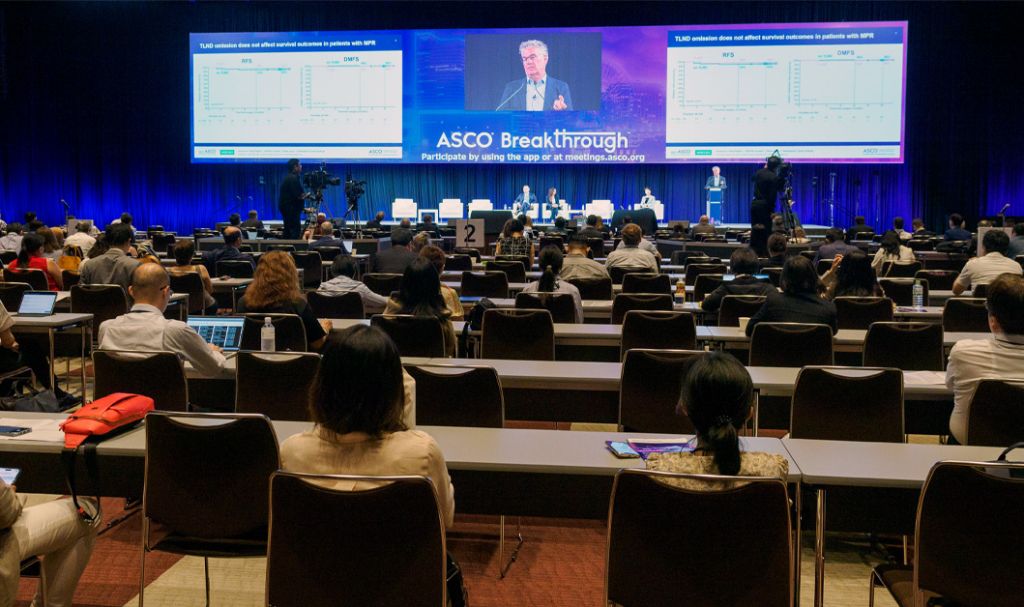
Bringing Global Cancer Science Closer To Patients In Asia At 2026 ASCO Breakthrough
Leading researchers, clinicians, and healthcare professionals will gather this June at the American Society of Clinical Oncology’s (ASCO) Breakthrough meeting to discuss the opportunities and challenges that face oncology in the region.
The 11th Edition Of Asian Scientist 100: Honoring Asia’s Best Scientists
Every year, Asian Scientist Magazine publishes Asian Scientist 100, a carefully curated list of the best and brightest researchers and leaders in STEM in Asia.