


The Asian Scientist 100
Lu Ke

Institution
Chinese Academy of Sciences
Country
China
Field
Materials Sciences
Lu is the winner of the 2020 Future Science Prize (Physical Science Prize) for discovering and synthesizing a superior nanotwinned structure and gradient nanostructure.
(Photo: Future Science Prize)
AWARDS
- Future Science Prize 2020
Related articles
Building The Future Of Biology: A Conversation With Molly He Of Element Biosciences
Element Biosciences is breaking down barriers in genomics by bringing laboratory-grade sequencing and multi-omics technology to scientists everywhere.

Defining The Future of Science At GYSS 2026
The 14th Global Young Scientists Summit gathered young researchers and eminent speakers for fruitful conversations that explore the path of research today.

Why Your Brain Feels Losses More Deeply Than Wins
Researchers identified a small group of neurons in the mouse brain that decides when a loss changes an animal’s place in the social hierarchy.

A Molecular “Blocker” In The Brain May Hold The Key To Treating Depression
Korean researchers have found a protein called Numb that may block the brain’s natural antidepressant response, especially in older patients.
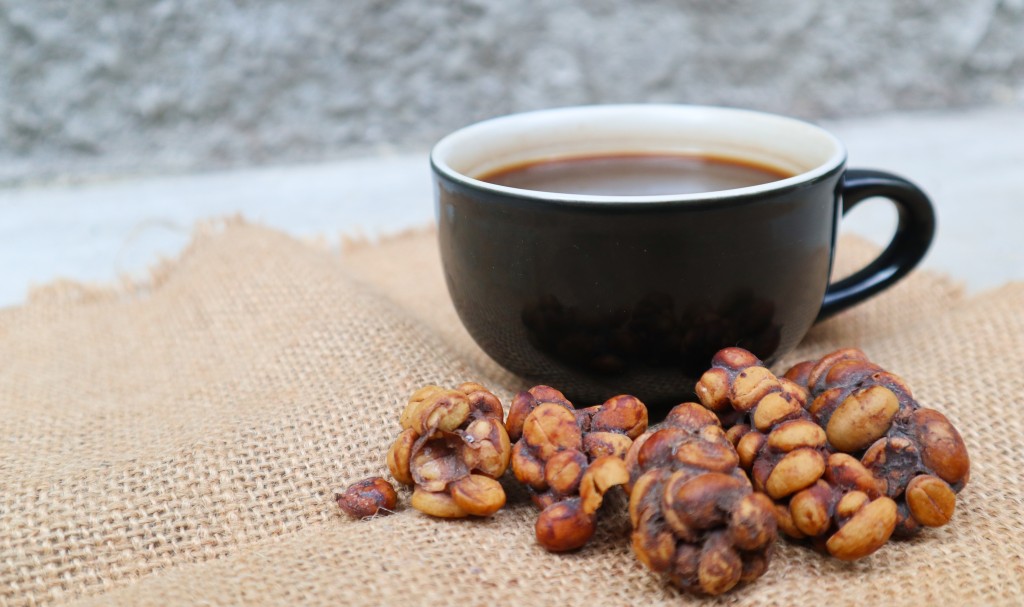
The Chemistry Behind Civet Coffee’s Distinctive Flavour
Researchers found that coffee beans harvested from the faeces of the Asian palm civet had a significantly higher total fat content than the traditionally harvested beans

Eye Blinks Reveal How The Brain Tracks Musical Rhythm
A subtle eye movement shows how attention determines whether sound translates into bodily timing.

Clogged Brain Drains May Be An Early Warning Sign Of Alzheimer’s
‘Drains’ in the brain that remove toxic waste can get blocked, a phenomenon more likely in those showing early symptoms of Alzheimer’s.
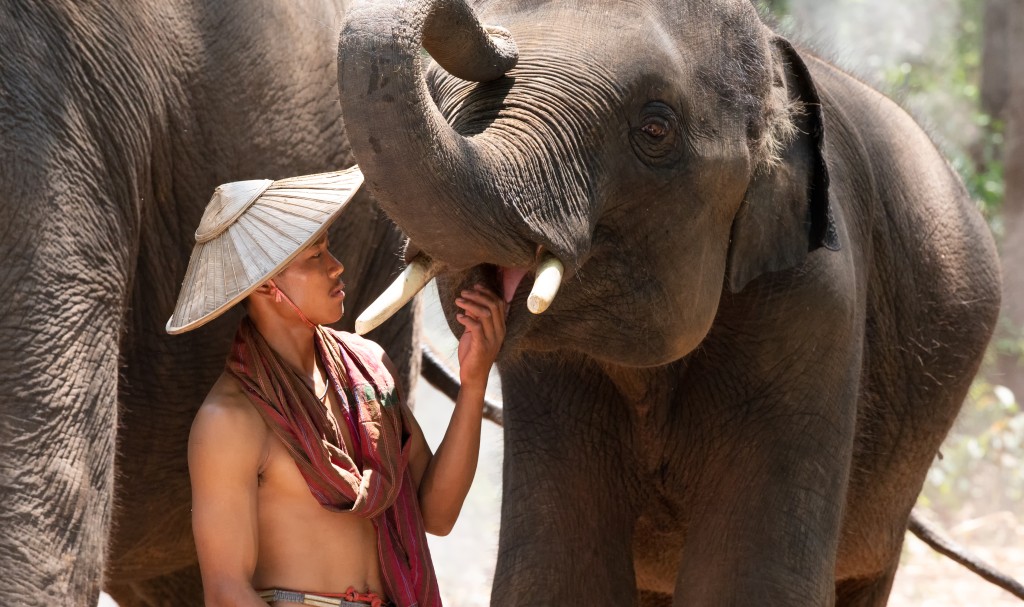
How Asian Elephants Decide You’re Worth Talking To
Body and face orientation both matter when elephants decide it’s worth communicating.

Rising Pollution Moves Rainfall From Land To Sea In Southeast Asia
Researchers in Korea have found that aerosols intensify ocean rainfall while delaying land storms, altering Southeast Asia’s climate balance.