


The Asian Scientist 100
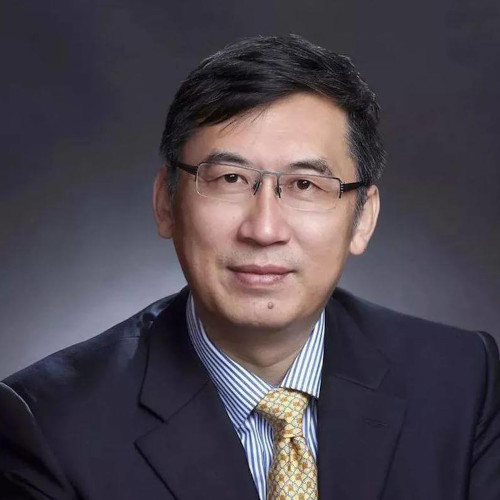
Lu Ke
Institution
Chinese Academy of Sciences
Country
China
Field
Materials Sciences
Lu is the winner of the 2020 Future Science Prize (Physical Science Prize) for discovering and synthesizing a superior nanotwinned structure and gradient nanostructure.
(Photo: Future Science Prize)
AWARDS
- Future Science Prize 2020
Related articles
Bees Break Their Own Rules: Why Popular Flowers Beat Pretty Ones
Social information can override bumblebees’ innate colour preferences, reshaping how flowers compete for pollinators.
Warming Seas Push Japan’s Iconic Salmon North
Warming oceans, shrinking food supplies, and extreme heatwaves are pushing Japan’s iconic fish toward colder waters.
That Fresh-Cut Grass Smell? It’s a Plant’s Distress Call
A new study reveals how the familiar “green” smell of cut grass is part of a long evolutionary battle between plants and insects.

Airborne Clues: New Testing Method Spots Hidden Viruses In Poultry Markets
Analysing genetic samples from the environment in live poultry markets can reveal more viruses than directly swabbing birds.

How The Brain Shuts Down Motivation In Difficult Situations
Scientists have uncovered a neural “brake” that stops us from acting when tasks feel unpleasant.

This Norovirus Breakthrough Could Accelerate Vaccine Development
Japanese researchers have developed a reverse genetics system that enables the generation and study of infectious noroviruses without the use of cultured cells.

How Fukushima’s Abandoned Pigs Reshaped Wild Boar Genetics
A natural experiment after the 2011 Fukushima disaster shows how maternal pig lineages sped up wild boar evolution, while causing pig genes to disappear faster.

Scientists Uncover The Hidden Mechanism That Lets Sperm Swim
A protein scaffold inside centrioles stabilises the base of the sperm tail, revealing why defects in this structure can lead to male infertility.

Gut Bacteria Linked To Migraine Severity In Children
Researchers found supporting gut health could become part of a more holistic, child-friendly approach to migraine care.