


The Asian Scientist 100
Lu Ke

Institution
Chinese Academy of Sciences
Country
China
Field
Materials Sciences
Lu is the winner of the 2020 Future Science Prize (Physical Science Prize) for discovering and synthesizing a superior nanotwinned structure and gradient nanostructure.
(Photo: Future Science Prize)
AWARDS
- Future Science Prize 2020
Related articles
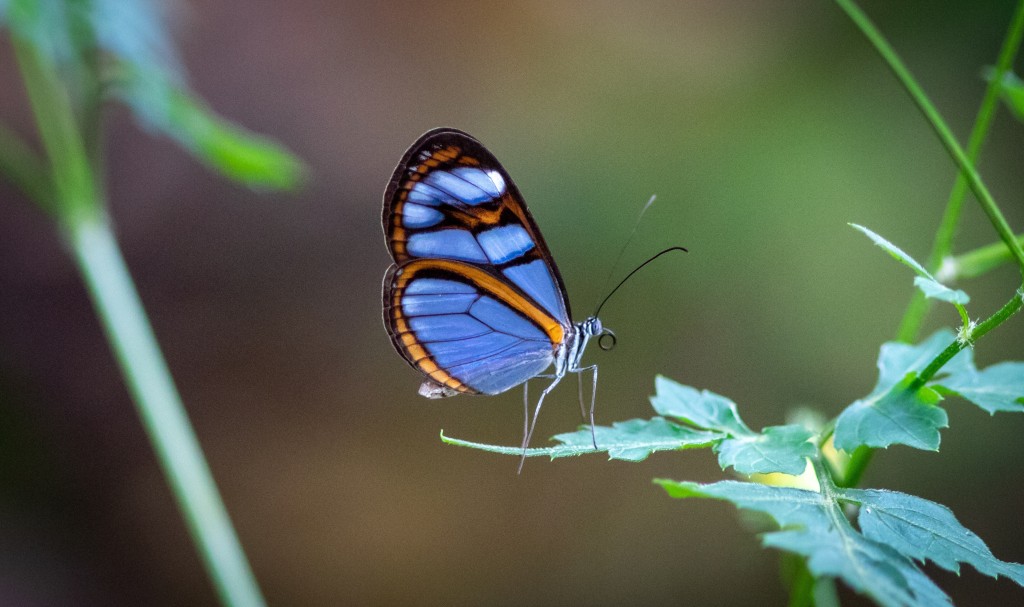
Simple DNA Switch Lets Butterflies Change Wing Spots
A unique DNA element found only in satyrid butterflies enables them to change wing patterns as environmental conditions shift.
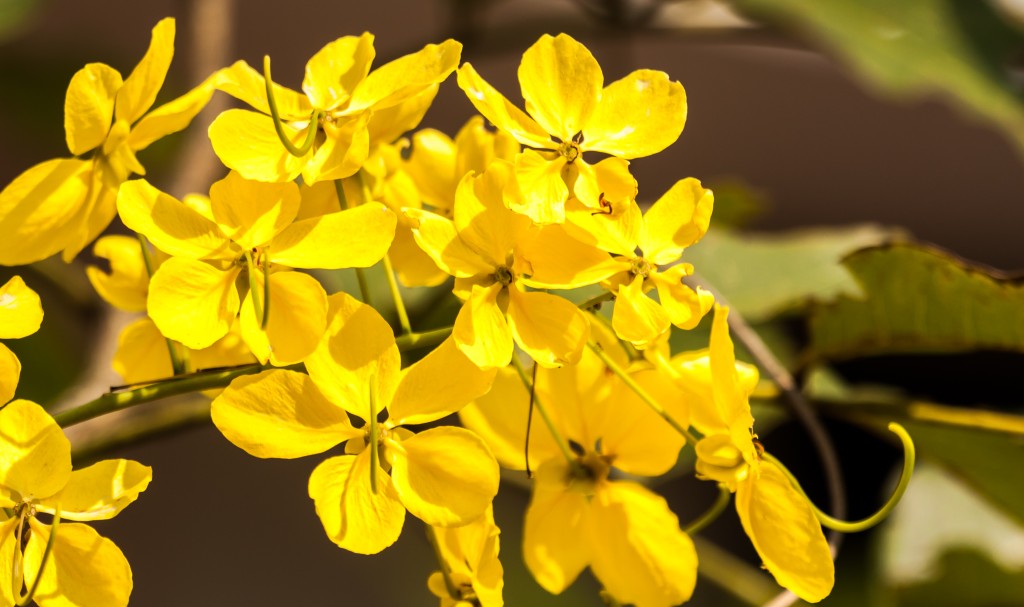
India’s Trees Are Flowering Out of Season—and Citizen Scientists Are Noticing
A study shows how casual social media posts and rigorous citizen science initiatives complement each other.

Liquid Marbles Could Lead To Greener Pesticides That Don’t Slide Off Leaves
Liquid marble are a promising solution but multiple hurdles remain in applying them on field.

Asian Scientist Magazine’s New International Advisory Committee
The committee will help the magazine ensure that it continues to be diverse and equitable in its selection process as it curates the list of 100 outstanding scientists in Asia.

Beyond The Hospital Walls: How Vinmec Is Reshaping Vietnam’s Healthcare Future
Vinmec, one of Vietnam’s most advanced private healthcare system, leverages university partnerships to accelerate translational research and ensure high-quality treatment is accessible and effective for patients across Vietnam.

Bringing Lifesaving Research From The Bench to Bedside
To overcome translational challenges, Vietnam’s international healthcare system, Vinmec, combines research and clinical expertise under the same roof for quicker and more effective outcomes.
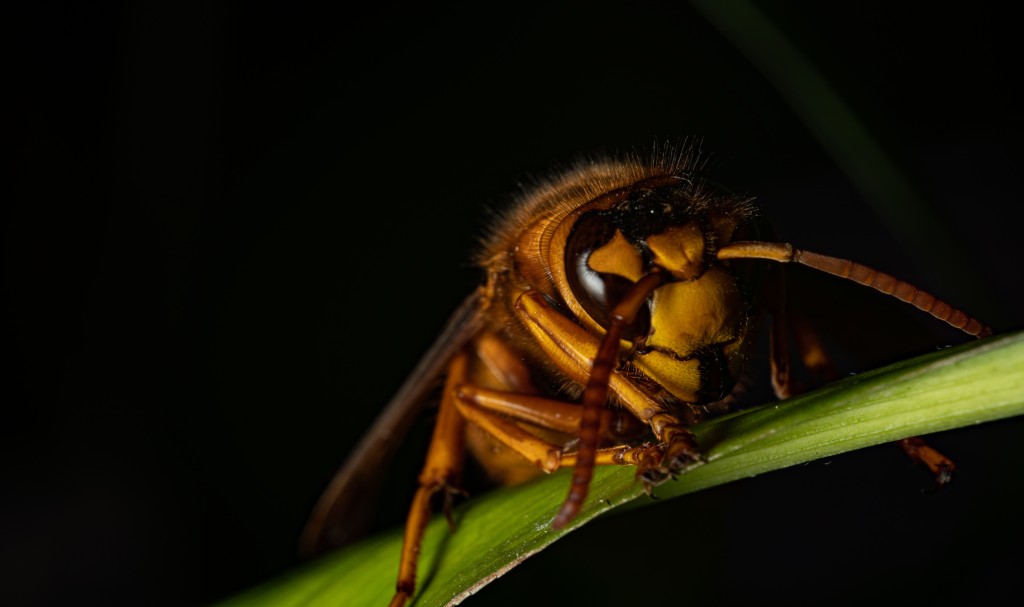
City Life Forces Two Rival Hornets To Coexist By Changing What They Eat
In non-urban areas, the two species consumed similar prey, reflecting their natural competitive relationship.
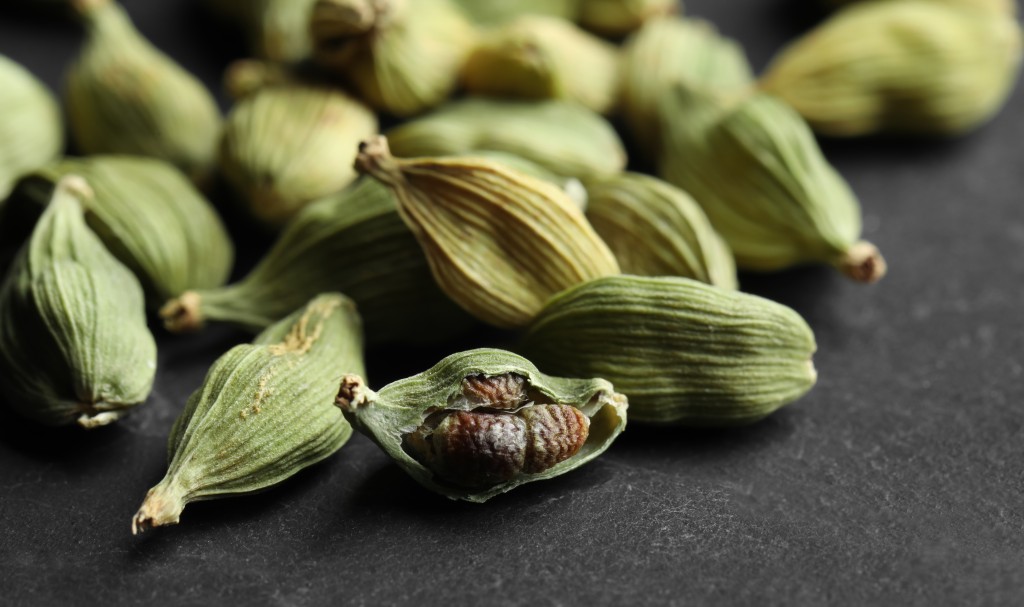
This Ancient Spice May Hold The Key to Tomorrow’s Antivirals
The study found that extracts from cardamom seeds can trigger the body’s antiviral defenses at a cellular level
Scientists Redirect Body’s Cleanup Crew To Fight Disease
Crunch, a synthetic protein, turns phagocytes that typically digest dying cells to target harmful ones in cancer and autoimmune disorders.