


The Asian Scientist 100
Di Li

Institution
National Astronomical Observatories of the Chinese Academy of Sciences
Country
China
Field
Aerospace & Astronomy
Li received the Marcel Grossmann Award for his pioneering contributions in the field of fast radio bursts. Li is the first scientist in China to receive this prize for research conducted within China.
(Photo: The Paper)
AWARDS
- Marcel Grossmann Award
Related articles

Charting Chemical Contaminants In China’s Drinking Water
High levels of synthetic chemicals have been found in the drinking water of China’s east and southwest regions, raising concerns over their potential effects to human health.
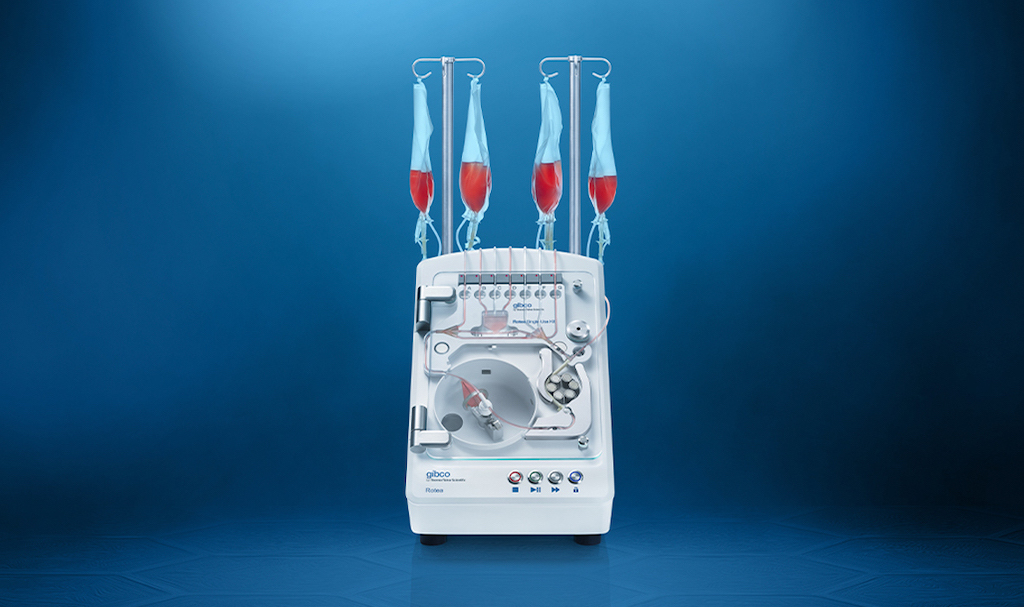
Accelerating The Path To Cell Therapy Commercialization
With its modular design and flexibility, Thermo Fisher Scientific’s innovative GibcoTM CTSTM Rotea Counterflow Centrifugation System enables the scalable and cost-effective commercialization of cell therapies.

Training The Scientists Of Tomorrow
At their virtual open house on 16 January 2021, learn about how PSB Academy’s School of Life and Physical Sciences prepares aspiring science and health professionals for the careers of tomorrow.

Celebrating Our Healthcare Heroes Through Art
Asian Scientist Magazine is launching a non-profit national youth competition to honor Singapore's brave frontliners in the fight against COVID-19 through art.

Disposable Kit Detects Airborne Viruses Within An Hour
Developed by a South Korean team, the kit can both sample and detect airborne viruses within 50 minutes on-site.

Shedding A Light Into China’s Quantum Supremacy
Scientists from China have created a light-based quantum computer that can solve in minutes what will take a supercomputer billions of years.

The Chinese Academy Of Sciences Flags 65 ‘Risky’ Journals
The Chinese Academy of Sciences has published a preliminary list of 65 ‘risky’ international journals, including periodicals from major publishers.

Why ‘Lab-made’ Proteins Can Take The Heat
According to researchers from Japan, the unique backbone of lab-made proteins makes them more tolerant to high temperatures.

Predicting Drug Response With Precision
In another step towards personalized medicine, Singapore-based researchers have identified a biomarker that could predict which cancer patients respond best to treatment.