


The Asian Scientist 100
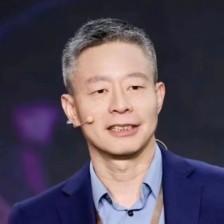
Di Li
Institution
National Astronomical Observatories of the Chinese Academy of Sciences
Country
China
Field
Aerospace & Astronomy
Li received the Marcel Grossmann Award for his pioneering contributions in the field of fast radio bursts. Li is the first scientist in China to receive this prize for research conducted within China.
(Photo: The Paper)
AWARDS
- Marcel Grossmann Award
Related articles

Boosting The Next Generation Of Batteries
New year, new batteries! Researchers from Hong Kong have proposed a novel design for lithium-sulfur batteries that significantly improves their performance.

Asian Scientist Magazine’s 2020 Roundup
Stories of scientific breakthroughs were bright spots in a year clouded by pandemic news. Here are Asian Scientist Magazine’s top 10 pieces of 2020.

Removing Two Pollutants With One Bacteria
A new strain of bacteria that can remove both nitrogen and phosphorus from sewage could reduce the electricity consumption of treatment plants by over 60 percent.

India Lays The Foundations For Green Energy Megapark
Set to be the size of Singapore once completed, India’s green energy megapark will produce a whopping 30 gigawatts of renewable energy.

How T-cells Tip COVID-19 From Mild To Severe
According to scientists from Japan, the difference between mild and severe cases of COVID-19 may lie in the extreme activation of T-cells as they react to the SARS-CoV-2 virus.

How Blind Football Players Stay On The Ball
Out of sight, out of mind? Not quite—by rotating their heads, blind footballers can accurately track incoming balls.

AI Identifies A Three Punch Combo Against COVID-19
With the help of artificial intelligence platform IDentif.AI, scientists have found that a combination of remdesivir, ritonavir and lopinavir may effectively treat COVID-19.

Rethinking The Rise Of The Third Pole
Researchers from China have found that the Tibetan plateau—also known as the world’s Third Pole—rose to its current height much later than previously thought.
Biomedical Researchers Win Big At Singapore’s Top Science Awards
In a year marked by a raging pandemic, biomedical scientists were in the limelight at a ceremony honoring Singapore’s top science talents.