


editors pick

Optogenetics Study Upends Decades Of Parkinson’s Research
Contrary to earlier assumptions, Parkinson’s disease symptoms are caused by hyperactivity rather than suppressed activation of a brain region known as the thalamus.
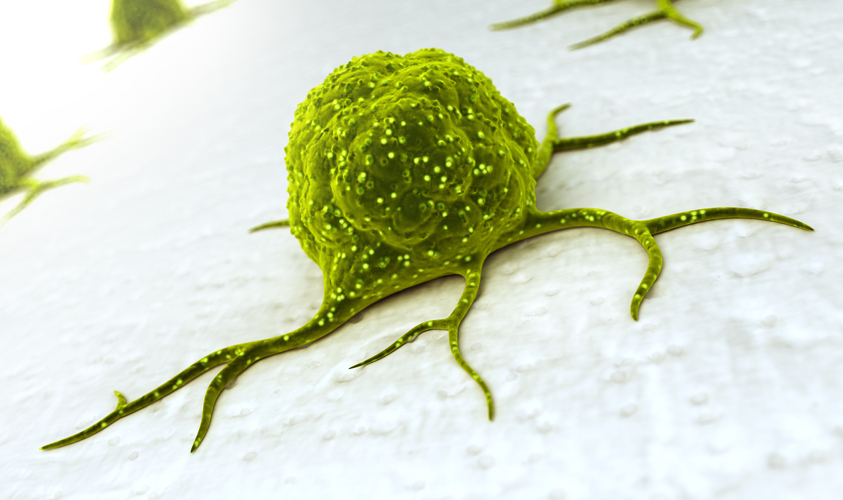
Tricking Tumors With Targeted Nanocarriers
Using nanoparticles that mimic the cancer cell membrane, scientists have found a way to deliver oxygen specifically to tumors and thereby reduce chemoresistance.

Taking To TED To Champion The Cause Of Clams (VIDEO)
Dr. Neo Mei Lin shares her journey from scientist to science communicator to give a voice to giant clams.

Asian Scientist Team Wins Six Prizes At The 2017 MPAS Awards
Asian Scientist Magazine, Supercomputing Asia and the Asian Scientist Writing Prize all received top honors at the 2017 MPAS Awards.

Contagious Yawning Not About Empathy
Perceptual sensitivity instead of empathy determines vulnerability to contagious yawning, scientists in Japan show.

How Plants Control Honeybee Caste Development
Plant miRNAs from pollen can delay caste differentiation and keep ovaries inactive in honeybee larvae, thereby producing sterile worker bees.

Reprogramming ‘Fixes’ Trisomic Sperm
Cells with extra sex chromosomes can be reprogrammed to create sperm with the correct number of chromosomes that can give rise to healthy offspring.

2-In-1 Battery Stores Energy & Captures Carbon
While trying to develop a lithium-air battery, scientists stumbled upon a method to create solid carbon dust from carbon dioxide.

Chimps Can Play Rock-Paper-Scissors
Using the rock-paper-scissors game, scientists in Japan and China have shown that chimpanzees can learn simple circular relationships.


