


The Asian Scientist 100
Lu Ke

Institution
Chinese Academy of Sciences
Country
China
Field
Materials Sciences
Lu is the winner of the 2020 Future Science Prize (Physical Science Prize) for discovering and synthesizing a superior nanotwinned structure and gradient nanostructure.
(Photo: Future Science Prize)
AWARDS
- Future Science Prize 2020
Related articles
Caring For The Caregivers
COVID-19 exposed and exacerbated the mental toll of being a healthcare worker especially in low-resource settings in Asia. As we move toward a new normal, governments, hospitals and mental health experts are beginning to support the neglected community of health care workers, but many challenges are yet to be addressed.
The New Economics of Population Genomics
Twist Bioscience’s integrated ecosystem of next-generation sequencing tools that drive up throughput and lower cost is powering a new era of population genetics research.
Why Modern Life Feels So Overwhelming
Researchers suggest evolutionary mismatch as a potential reason, with ancient human instincts struggling to cope with the demands of modern, hyperconnected life.
Pumpkin Peel Powers Packaging That Keeps Food Fresher For Longer
A new biodegradable film made with carbon dots derived from pumpkin peel could help reduce food spoilage and cut reliance on plastic packaging.
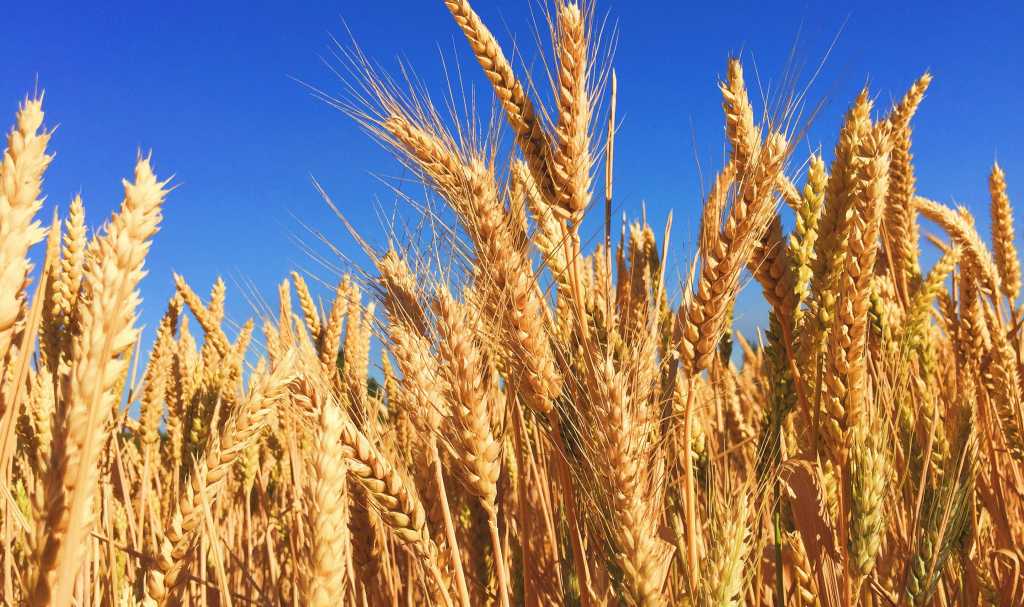
Global Consortium Leverages Spatial Omics For Food Security
Spatial omics can tell us exactly where and when genes switch on inside a plant or individual—illuminating crucial details of processes such as wheat breeding. A global consortium under the STOC Plant Initiative is racing to draw the map.

Ageing Muscles Lose Cancer-Fighting Power. Exercise May Restore It
A new study suggests it can restore ageing muscles' ability to produce anti-cancer signals, at least in animal models.
A Vitamin B Deficiency Marker May Be Associated With Chronic Fatigue
Studying role of poor nutrition in chronic fatigue, researchers found that higher homocysteine levels—a marker often associated with vitamin B deficiency—were linked to greater fatigue and lower motivation.
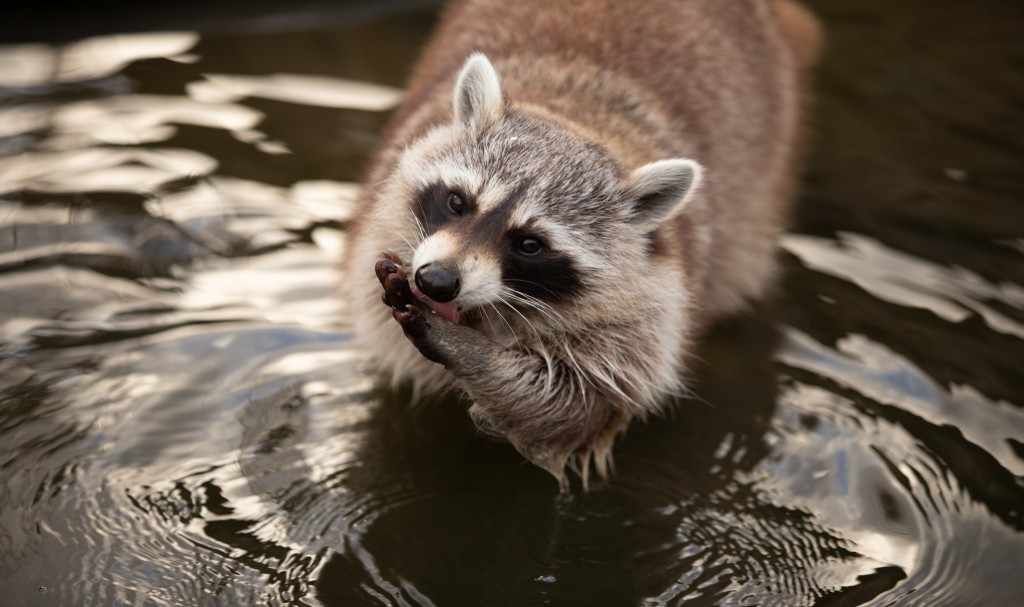
Japan’s Invasive Raccoons May Be Spreading Food Poisoning Bacteria
A genetic analysis of river water, wild raccoons and human infections suggests Japan's invasive raccoons may help spread Escherichia albertii, a foodborne bacterium linked to severe illness.
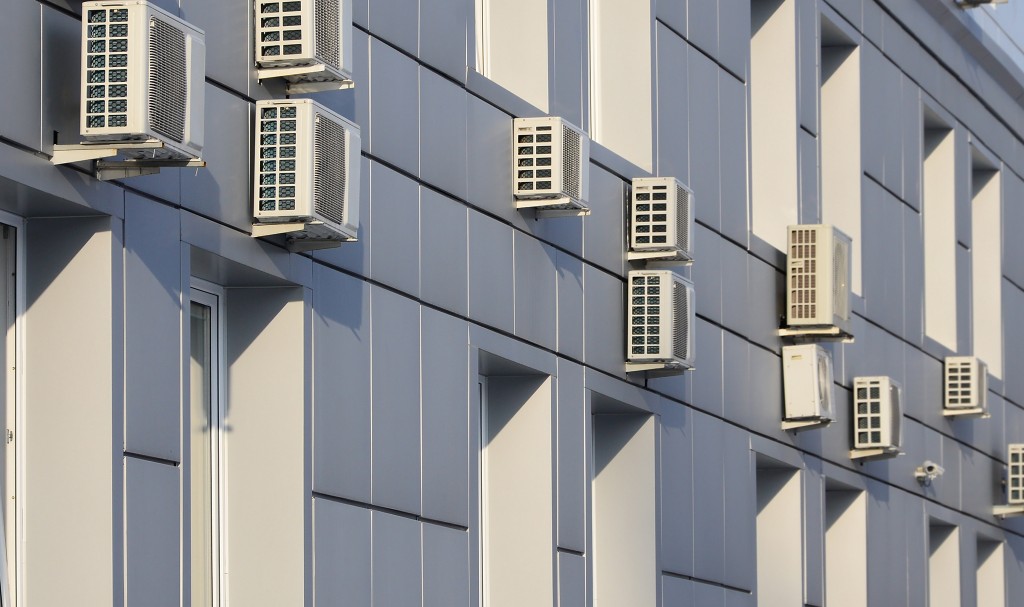
Too Cool To Care? Air Conditioning Weakens Climate Action Support
Study finds that the more people rely on air conditioning to stay cool, the less likely they are to support broader efforts to cool cities and cut energy use.