


The Asian Scientist 100
Lu Ke

Institution
Chinese Academy of Sciences
Country
China
Field
Materials Sciences
Lu is the winner of the 2020 Future Science Prize (Physical Science Prize) for discovering and synthesizing a superior nanotwinned structure and gradient nanostructure.
(Photo: Future Science Prize)
AWARDS
- Future Science Prize 2020
Related articles

Getting To The Root Of Southeast Asia’s Cassava Concerns
In the wake of damage caused by cassava mosaic disease and cassava witches’ broom disease in Southeast Asia, researchers are developing disease-resistant varieties and speeding up the production of healthy cassava stem cuttings.

Child Marriages Linked To Extreme Weather In Low-Income Asian Countries
Education, financial support for families and social workers can play a crucial role in preventing child marriages.
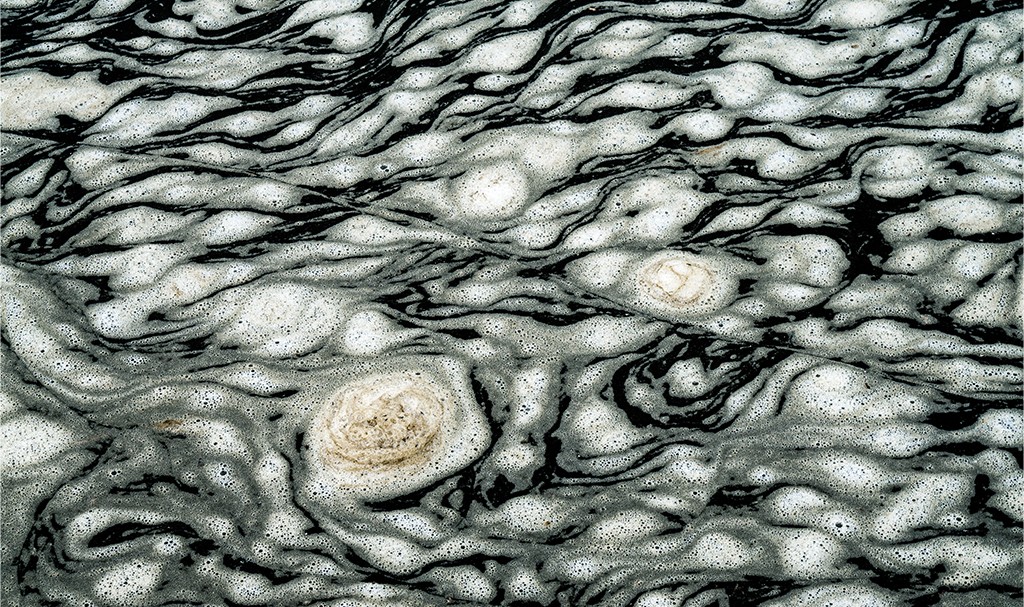
Why Does This Indian Lake Foam So Much?
Rains dissolve surfactants bound to lake sediments causing foaming in Bellandur lake, shows a study.
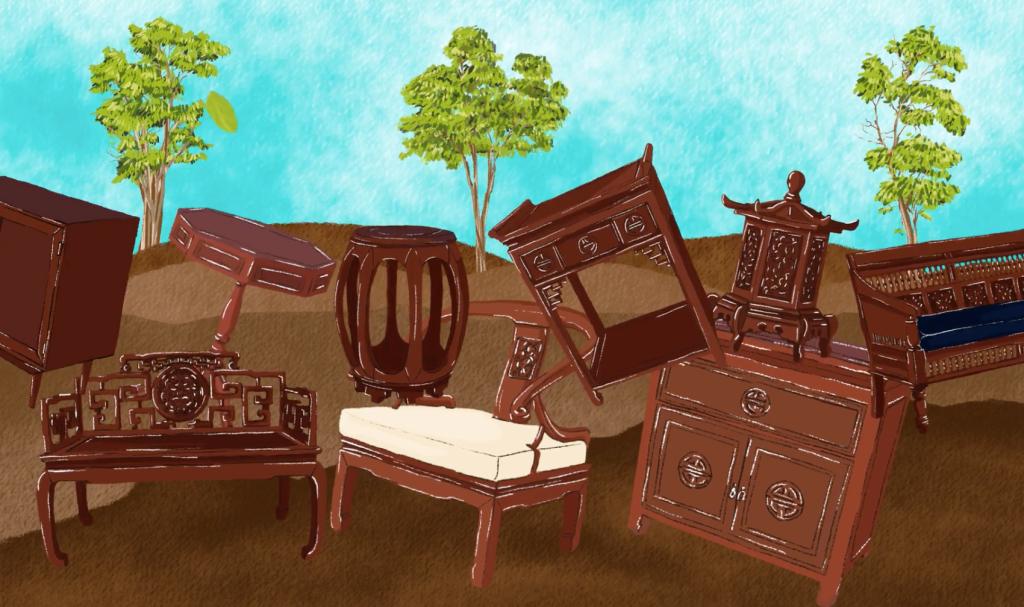
Towards A Rosy Outlook For The Asian Rosewood Populations
Illegal logging of rosewood threatens not just the biodiversity, but communities living in forested areas as well. The Alliance of Bioversity International and CIAT is working in the lab and with farmers to combat this threat.

Involved Fathers Help Children Have Better Social And Motor Skills
The study from Japan also showed that when fathers were more involved, mothers experienced less parental stress.

Refining RNA Sequencing
Twist Bioscience strengthens its next-generation sequencing capabilities with the launch of a dedicated suite of RNA sequencing solutions.

Five Ways HPC Is Enabling Digital-Based Learning
New interactive and immersive learning methods are entering the education landscape. With high-performance computing at the forefront, education across Asia is experiencing a digital transformation.

MOTIVATE: Empowering Stroke Survivors To Stay Physically Active
Co-designed with stroke survivors, MOTIVATE is a multisector collaborative initiative for stroke recovery led by the Singapore Institute of Technology.
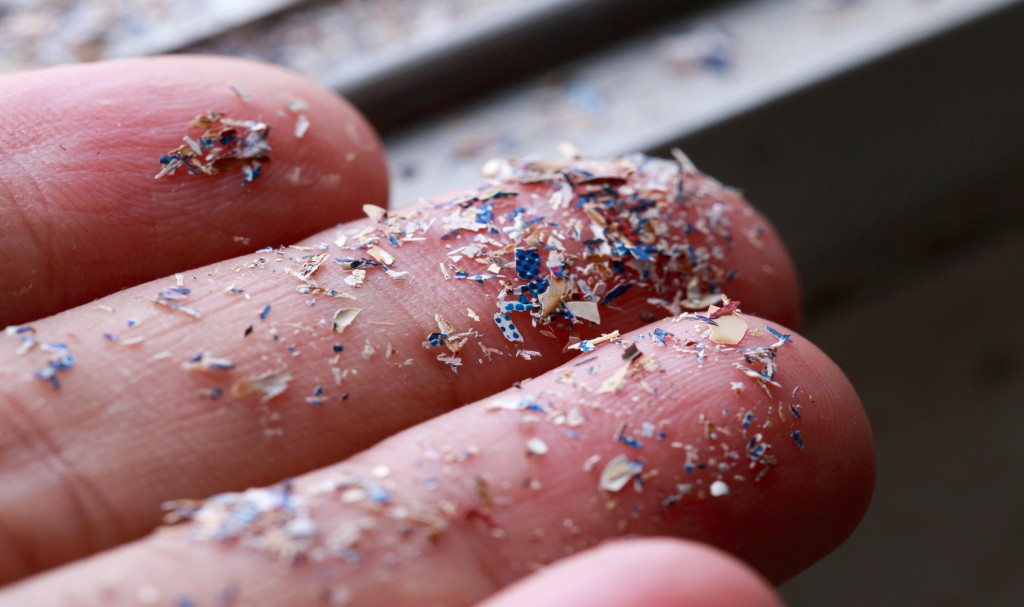
Weathering Makes Microplastics Even More Toxic
Microplastics that have undergone natural weathering acted as harmful neurotoxins in mice, shows a study from South Korea.