


The Asian Scientist 100
Lu Ke
Institution
Chinese Academy of Sciences
Country
China
Field
Materials Sciences
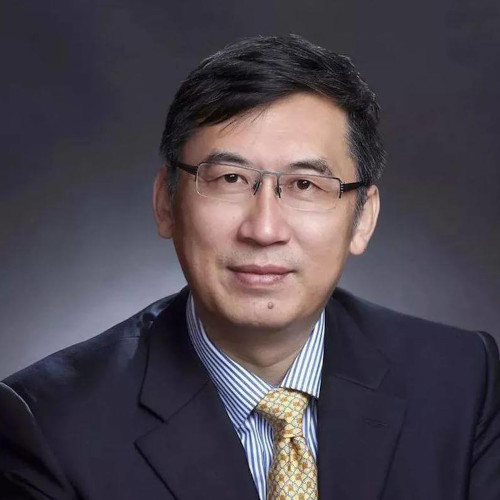
Lu is the winner of the 2020 Future Science Prize (Physical Science Prize) for discovering and synthesizing a superior nanotwinned structure and gradient nanostructure.
(Photo: Future Science Prize)
AWARDS
- Future Science Prize 2020
Related articles

How Digital PCR Unlocks Scientific Possibilities
Digital PCR has emerged as a powerful new tool in research. QIAGEN takes it a step further with its robust, scalable and well-integrated nanoplate-based digital PCR system.

How An Animal Rescue Tool Helped Control Rabies In An Indian City
The monitoring tool might still be underestimating the disease's true prevalence.

Lasers Help Probe Past Climates In Ice Cores
Researchers from RIKEN have developed a laser melting sampler to study ancient glacial ice cores.

Generative AI’s Shadow On Jobs
Generative AI might eliminate thousands of current jobs, but also create new ones. How worried should we be and who is most at risk?

Chatbot Revolution
ChatGPT-powered chatbots are on the rise but their reliability remains in question. As more companies build synthetic media into their business model, we analyze the scope of its skillset.

Ink Gets Intelligent
In the face of changing artistic landscapes and creative credit controversy, some artists, researchers and computer scientists in Asia are exploring how generative AI can be used to preserve traditional art.

Playing The Molecular Chess Game
In the search for new drugs for critical diseases, generative AI might be the helping hand researchers need to speed up a years-long process.

Breaking Down Walls With Scientific Breakthroughs
Dr Tan Pei Leng emerged the winner of SGInnovate’s Falling Walls Lab Singapore 2023. She hopes to meet collaborators who can take her research from bench to bedside at the International Summit this November.

Ethics Of Using Care Robots For Older People
Study from Japan shows that involving older people while developing care robots for them will help alleviate their concerns about using robots.