


The Asian Scientist 100
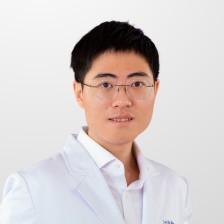
Hei Ming Lai
Institution
The Chinese University of Hong Kong
Country
Hong Kong
Field
Biomedical Sciences
Lai won the 2024 Croucher Tak Wah Mak Innovation Award for leading research in creating a 3D spatial multi-omics platform for clinical diagnostics and spatial biology research.
(Photo: The Chinese University of Hong Kong)
AWARDS
- 2024 Croucher Tak Wah Mak Innovation Award
Related articles

Gay Jane Perez: The Philippines’ Space Whisperer
For helping launch the Philippines’ first microsatellites, Dr. Gay Jane Perez is proof that the sky’s the limit in agricultural innovation.

Revealing Eight Centuries of Asia’s River Patterns
In the largest study of Asia’s rivers to date, researchers tracked eight centuries worth of annual river discharge to unearth insights on past climate patterns.

Aerogel Harvests Water From Thin Air
A single kilogram of this new aerogel can generate enough drinking water to meet a household's daily needs
Asia’s Rising Scientists: Phillip Alviola
The Philippines’ own Batman, wildlife biologist and bat virologist Dr. Phillip Alviola is on a crusade to conserve the country’s rich forest and cave ecosystems.

Burrowing Into The Bobbit Worm’s Behavior
Using trace fossils, scientists have reconstructed the 20-million-year-old lair of giant marine worms in northeast Taiwan, providing insights into the predator's behavior.

Five Must-Know Research And Development Trends In Asia
As revealed in the Five Years Of Asian Scientist 100, Asia's feverish growth is fueling innovation across agriculture, chemistry, physics and more.
Accelerating The Path To Cell Therapy Commercialization
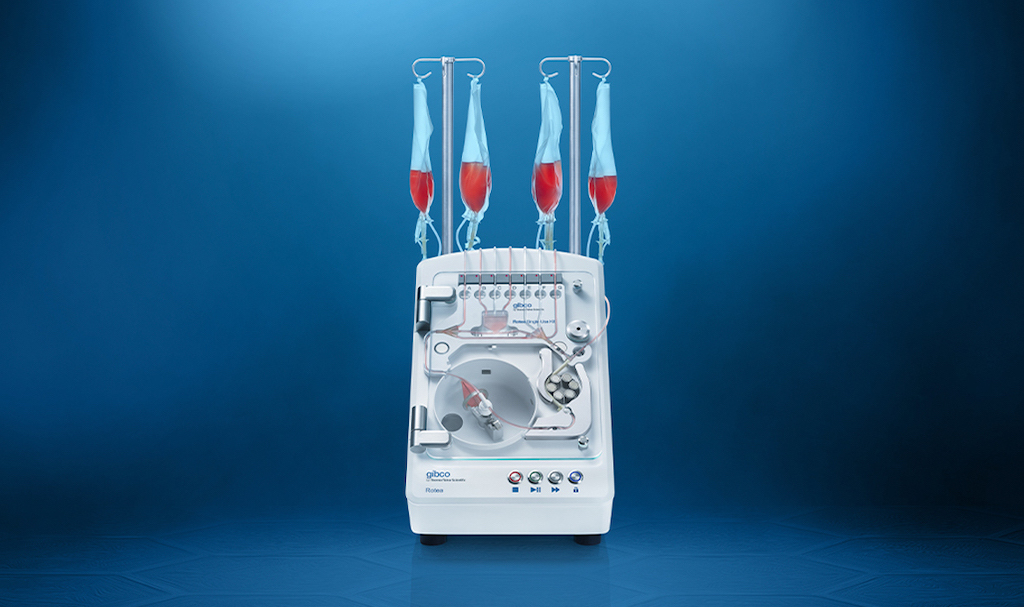
With its modular design and flexibility, Thermo Fisher Scientific’s innovative GibcoTM CTSTM Rotea Counterflow Centrifugation System enables the scalable and cost-effective commercialization of cell therapies.

Training The Scientists Of Tomorrow
At their virtual open house on 16 January 2021, learn about how PSB Academy’s School of Life and Physical Sciences prepares aspiring science and health professionals for the careers of tomorrow.

The Chinese Academy Of Sciences Flags 65 ‘Risky’ Journals
The Chinese Academy of Sciences has published a preliminary list of 65 ‘risky’ international journals, including periodicals from major publishers.