


The Asian Scientist 100
Di Li

Institution
National Astronomical Observatories of the Chinese Academy of Sciences
Country
China
Field
Aerospace & Astronomy
Li received the Marcel Grossmann Award for his pioneering contributions in the field of fast radio bursts. Li is the first scientist in China to receive this prize for research conducted within China.
(Photo: The Paper)
AWARDS
- Marcel Grossmann Award
Related articles

Whither The Water?
It may not be the sexiest of topics, but a lack of access to clean water kills over 2,000 children a day.

Carbon Nanotubes, Unzipped
Like folding paper to make a tear neater, doping carbon nanotubes makes it easier to unzip them without damaging their nanostructure.

Last Alkane Standing Finally Yields Its Bonds
A powerful combination of computational and experimental chemistry has yielded a catalyst which can break the extremely strong bonds of methane.

Replacing Lithium With Aluminum For Environmentally Friendly Batteries
This cheap and environmentally friendly battery could theoretically power a Tesla Model S for 560 km.

Superionic Crystals Could Replace Liquid Electrolytes
Researchers have designed two superionic crystals which could pave the way for safer all-solid-state batteries.

Tropical Ecosystems Pay Heavy Price For International Trade
Because they are underpaid for their products and face a disproportionate loss of ecosystem services, tropical countries are effectively subsidizing international trade to the tune of US$1.7 trillion per year.

China’s Bittersweet Success At Halting Forest Loss
Although satellite images show that tree cover in China is on the rise, unsustainable wood imports mean the problem may just be shifting elsewhere.

Blocking MicroRNAs To Prevent Osteoporosis
Targeting the microRNA miR-214-3p, which is found at elevated levels in elderly females, could help to treat osteoporosis.
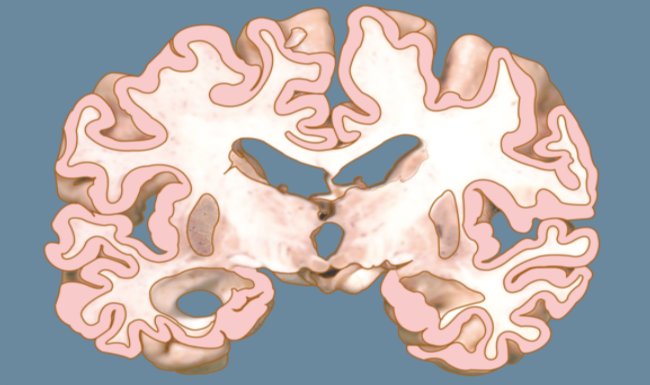
Treating Huntington’s With Gene Knockout Might Be Safe For Adults
Although deleting the huntingtin gene is lethal for young mice, it appears to safely treat the disease in adult mice.