


The Asian Scientist 100
Di Li

Institution
National Astronomical Observatories of the Chinese Academy of Sciences
Country
China
Field
Aerospace & Astronomy
Li received the Marcel Grossmann Award for his pioneering contributions in the field of fast radio bursts. Li is the first scientist in China to receive this prize for research conducted within China.
(Photo: The Paper)
AWARDS
- Marcel Grossmann Award
Related articles

New Frog Species Discovered In India’s Wastelands
The amphibian, named after the laterite rock formations where it was found, could be used to draw attention to the ecological importance of the area.

Researchers Create Model To Simulate Solar Flares
Coronal mass ejections during solar flares can wreak havoc on communications on Earth; accurate predictions could help to lessen this effect.

Why Does IVF Produce More Baby Boys?
Though largely safe and well accepted, the IVF procedure causes defects in X chromosome inactivation which result in fewer girls being born.

The Mystery Of Infrared Background Light From Space, Solved
Researchers have finally figured out where the Universe's background infrared radiation comes from: extremely faint galaxies with very small amounts of dust.

Predicting (And Preventing) Epidemics Before They Happen
Identifying biological factors that predict which viruses are most likely to spread among humans could help prevent and contain outbreaks.

Do ‘Ant Repellents’ Protect Nectar Or Bees?
The amount of ant repelling compounds plants produce correlates to the size of the bee polinators they attract, study says.

The Magnetic Appeal Of Spin-Orbit Memory
Researchers have developed a new-structure magnetic memory device that can store memory without a power supply.

Targeting Cholesterol To Make T-Cells Better Tumor Killers
A drug already in human trials to treat atherosclerosis could also boost killer T-cell activity against tumors, researchers say.
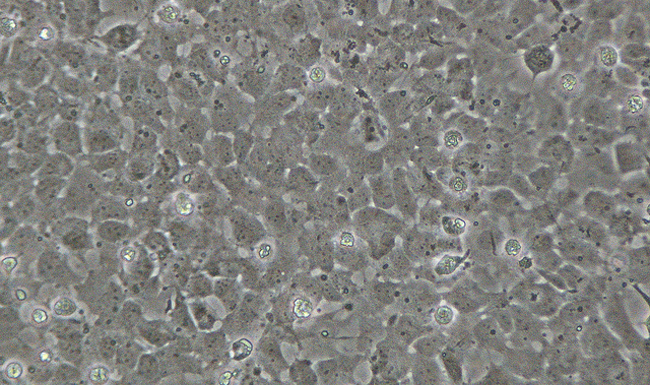
Pluripotency Factor Actually A Telomere Enlongator
Zscan4, originally believed to be involved in pluripotency of stem cells, is actually triggered by shortened telomeres to regenerate the telomere length.