


The Asian Scientist 100
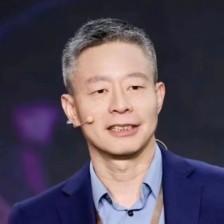
Di Li
Institution
National Astronomical Observatories of the Chinese Academy of Sciences
Country
China
Field
Aerospace & Astronomy
Li received the Marcel Grossmann Award for his pioneering contributions in the field of fast radio bursts. Li is the first scientist in China to receive this prize for research conducted within China.
(Photo: The Paper)
AWARDS
- Marcel Grossmann Award
Related articles

Asia’s Rising Scientists: Jyotirmayee Dash
By flipping the switch on rogue genes, Dr. Jyotirmayee Dash hopes to add more tools in the ongoing crusade against cancer.
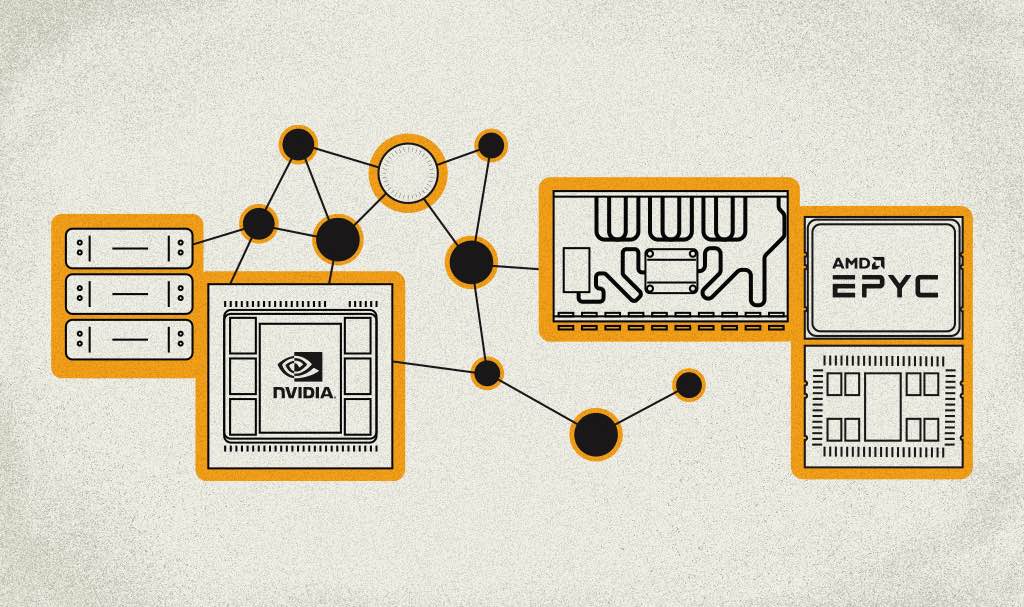
Supercomputer Spotlight: ASPIRE 2A To Arrive In 2022
A sneak peek inside Singapore’s next step in supercomputing.
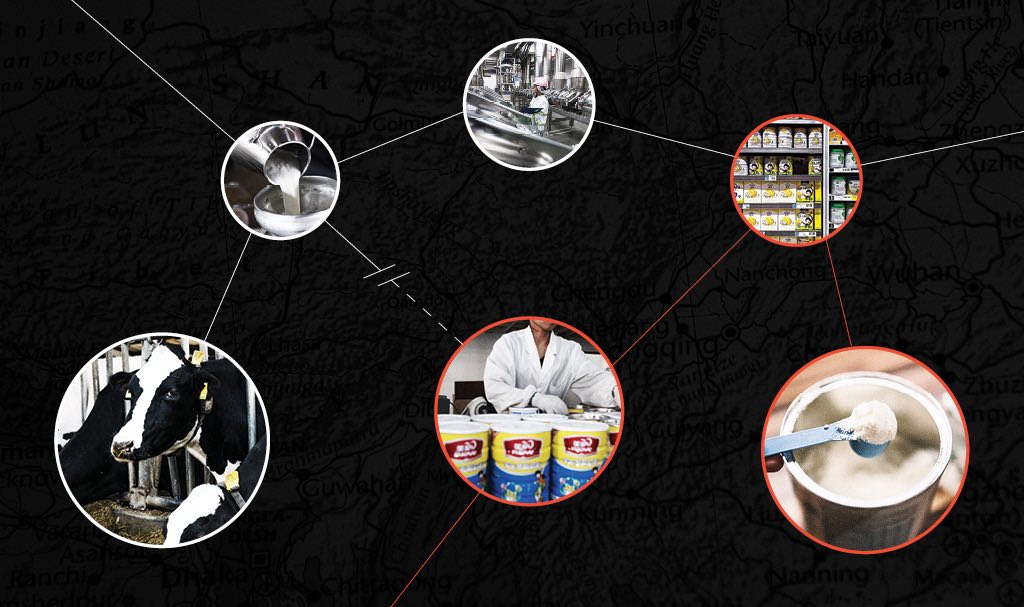
Fighting Food Fraud
To intercept future food scandals in Asia and the world, innovations like blockchain and artificial intelligence could prevent fraud and reduce anxiety about what’s really on our plates.

Farming For The Future
COVID-19 has disrupted food supply chains across the globe, but agricultural technology is keeping Asia’s farming industry fertile through revolutionary apps, automated robots and more.
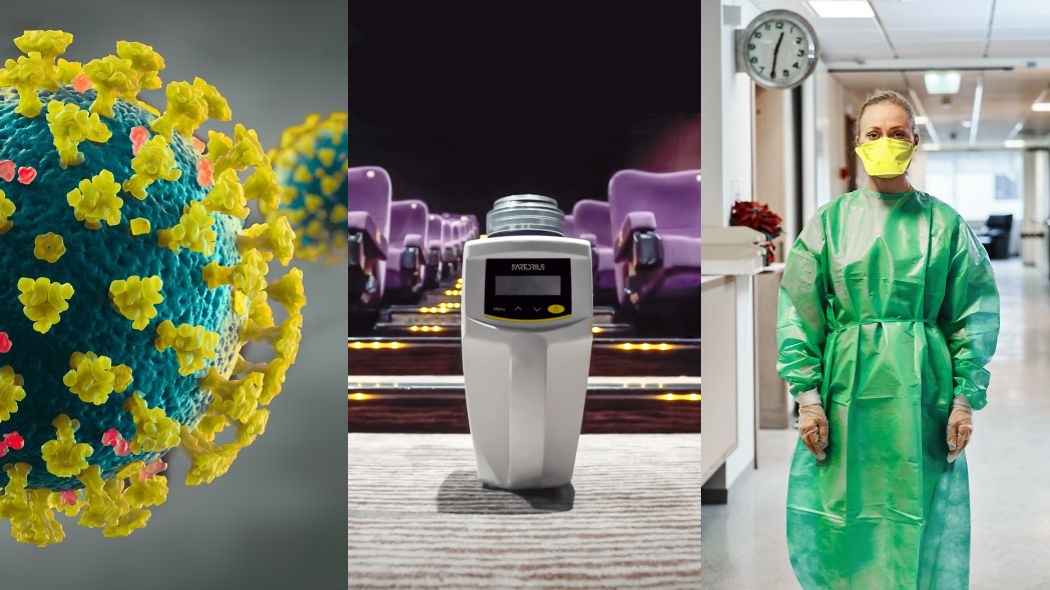
Keeping Communities Safe With Environmental Testing
Environmental testing can equip the public health system with better means to monitor and curb the spread of infectious diseases.

In Touch With Tech Trends
Exciting innovation in robotics, health and sustainability lie on the horizon for Singapore’s technology landscape.
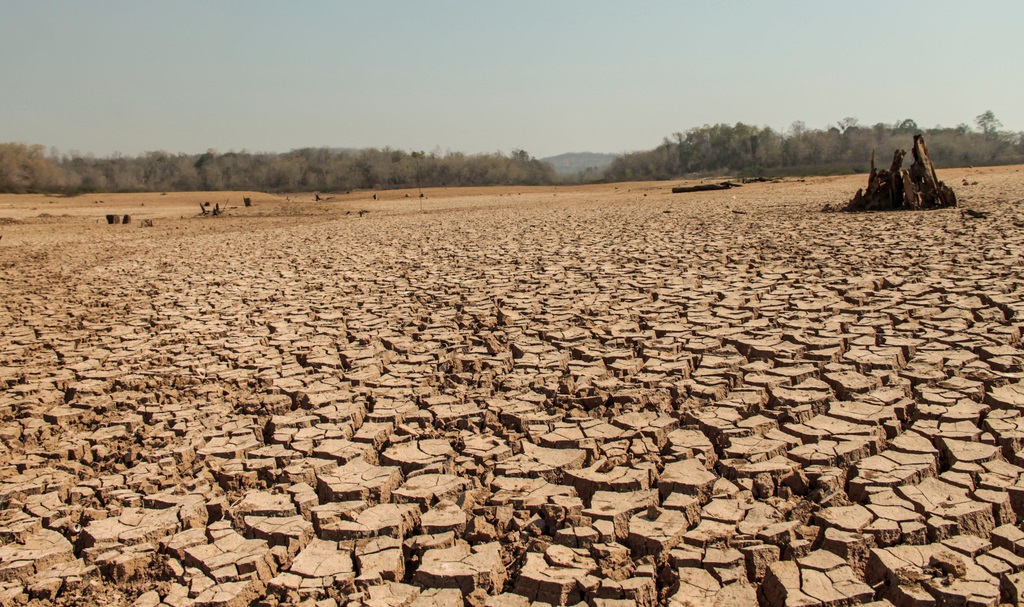
Brace For The Drier Spells
Longer and intense droughts are predicted to be more prevalent in Southeast Asia

Watching Out For Depression Risk
Scientists from Singapore have developed a machine learning program to predict depression risk based on vital signs tracked by wearables.

Supercomputers To The Rescue!
With high performance computing tools, Singapore is bolstering its response to emerging threats such as infectious diseases and climate change.