


The Asian Scientist 100
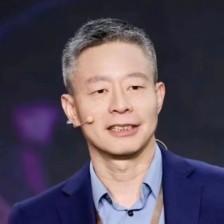
Di Li
Institution
National Astronomical Observatories of the Chinese Academy of Sciences
Country
China
Field
Aerospace & Astronomy
Li received the Marcel Grossmann Award for his pioneering contributions in the field of fast radio bursts. Li is the first scientist in China to receive this prize for research conducted within China.
(Photo: The Paper)
AWARDS
- Marcel Grossmann Award
Related articles

Unleashing The Potential Power Of Energy Harvesting For IoT Devices
As the number of Internet of Things devices continues to grow, innovators explore energy harvesting as a promising solution to ensure power availability.
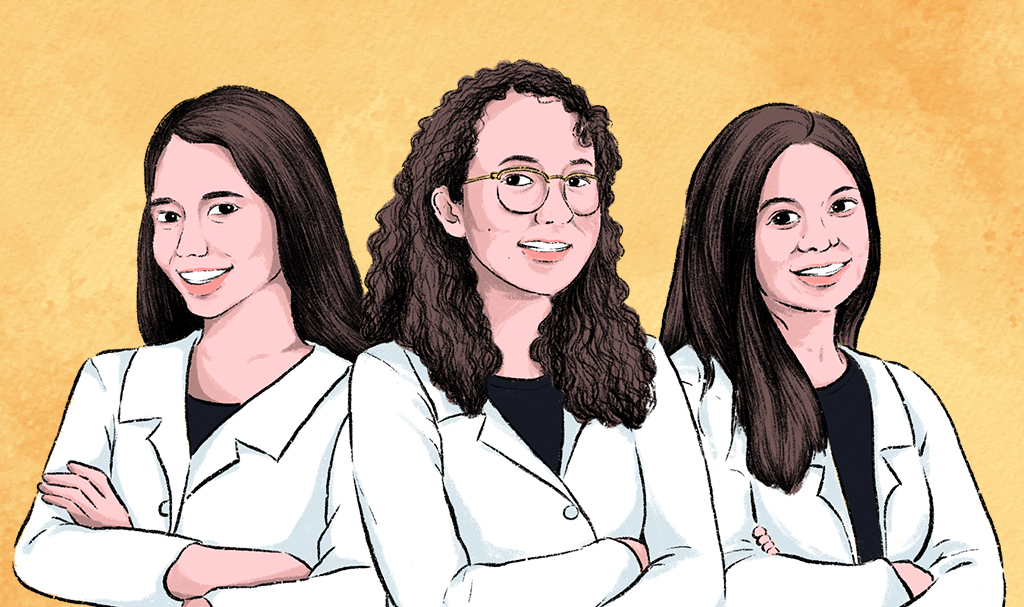
All-women Philippine Team Wins UNESCO Sustainable Engineering Hackathon
WONDERPETS from the Philippines devised a sustainable way to reduce water pollution. We are celebrating their UNESCO hackathon victory today on International Women's Day.

Designing A Menu For The Future
Technological advances and design thinking approaches offered food for thought at TechInnovation 2021 as experts discussed the future of Asia’s agricultural sector.

Understanding The Drive For Social Connection
A peptide associated with regulating parental behavior in mice may be important in understanding loneliness, and the craving for social interaction.
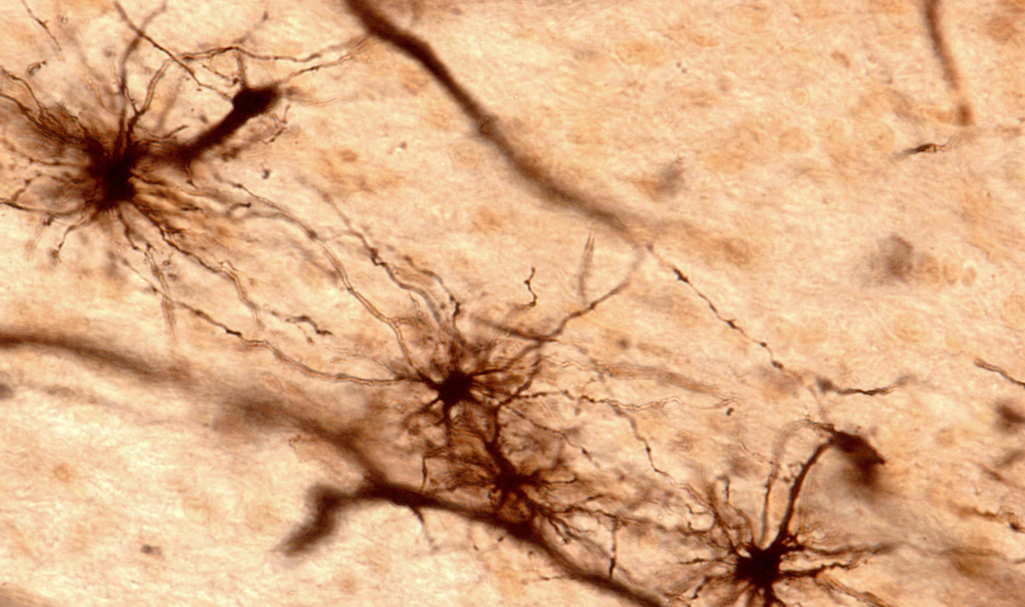
Astrocytes: More Than Just A Neuron’s Assistants
Astrocytes could be contributing to storing memories and more in the brain, hints a study from Japan.
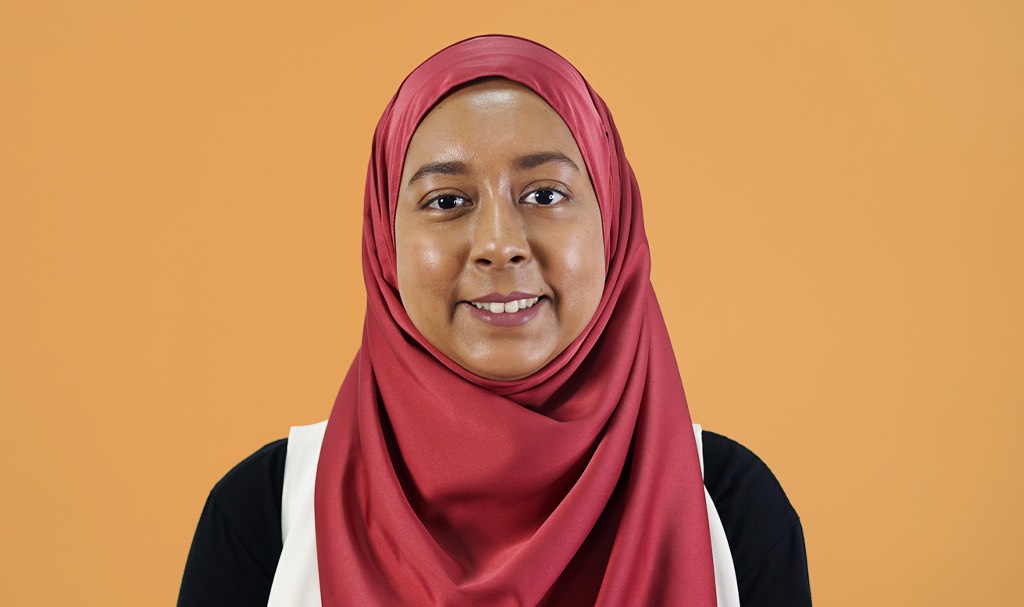
Redefining What Success Looks Like In Tech (VIDEO)
Through The Codette Project, Ms. Nurul Hussain is building an ecosystem where everyone has access to the opportunities and resources they need to succeed in tech. We are revisiting this feature today on International Women’s Day 2022.
Asia’s Scientific Trailblazers: Miyoko Watanabe
Ever since she joined Toshiba as its first female researcher four decades ago, Miyoko Watanabe has been championing gender diversity and visibility for women in science. We are revisiting this interview with her today on International Women's Day 2022.
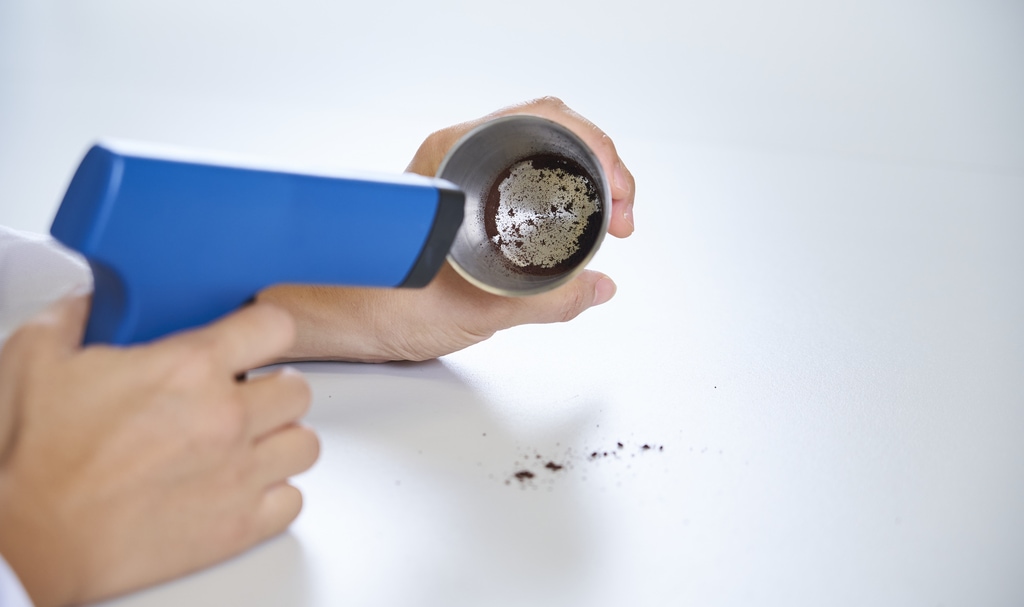
The Trouble With Triboelectricity: Lessons From Coffee Mixes
Singapore Institute of Technology (SIT) researchers are mixing up ways to minimize triboelectricity-induced fouling, a problem that has long plagued powdered food manufacturing.

Preparing A Pipeline Of Life Sciences Talent
PSB Academy offers students a flexible life sciences education with well-equipped facilities as well as overseas research opportunities at La Trobe University where they can learn from distinguished faculty.