


The Asian Scientist 100
Di Li
Institution
National Astronomical Observatories of the Chinese Academy of Sciences
Country
China
Field
Aerospace & Astronomy
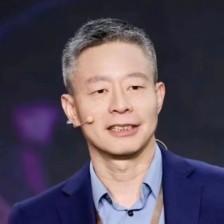
Li received the Marcel Grossmann Award for his pioneering contributions in the field of fast radio bursts. Li is the first scientist in China to receive this prize for research conducted within China.
(Photo: The Paper)
AWARDS
- Marcel Grossmann Award
Related articles

Infants With Long Screen Time May Experience Cognitive Decline
Families which let their children have more screen time might be experiencing food or housing challenges.
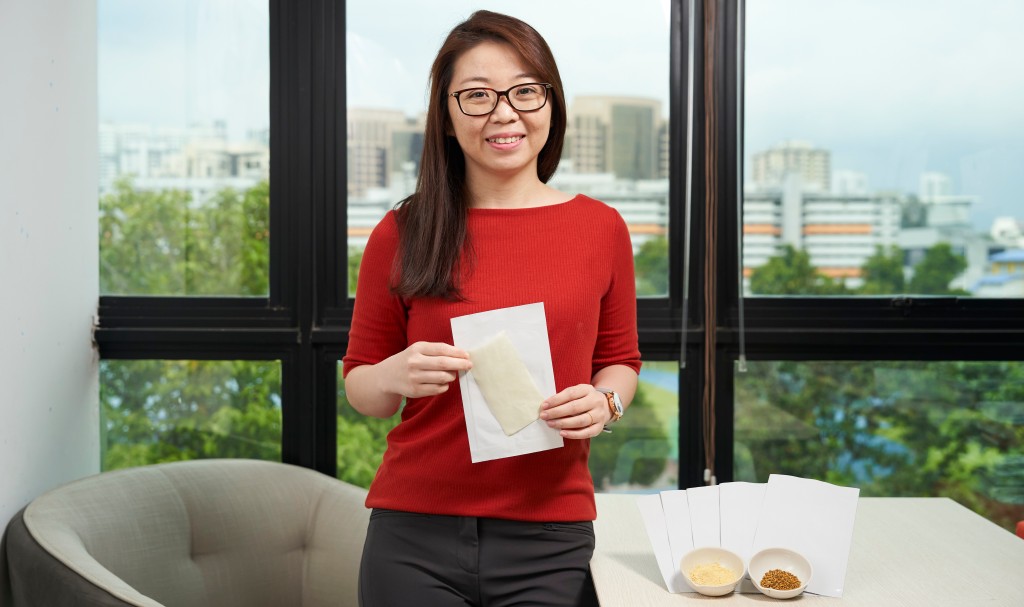
Tapping Into Nature To Address Peritoneal Adhesion
Using pollen grains, the Singapore Institute of Technology (SIT) and local startup Sporogenics have teamed up to develop a hydrogel film with superior properties to prevent this post-surgery complication.

Exercising With Others Is More Likely To Reduce Dementia Risk
Incorporating social interaction into exercise routines may enhance cognitive resilience in older adults, shows a study from Japan.

Unlocking Trust With Open Science Communication
At the Global Young Scientists Summit held earlier this year in Singapore, three distinguished speakers encouraged an audience of young researchers to communicate honestly, passionately and with an open mind.

Making Vital Signs Monitoring Accessible And Affordable
Technological advancements can make non-invasive vital signs monitoring available for everyone, removing the inconvenience of traditional monitoring methods.

Pulling The Curtains On Climate Change
From predicting torrential rains to modeling urban climates, supercomputing provides us the necessary tools to navigate the climate crisis.

Poor Oral Health May Harm Your Heart
Research from Japan suggests that people who suffer from periodontitis, a gum infection, could also suffer from poor heart health.

Innovating Sustainable Packaging For A Cleaner Future
With innovation at the core of what they do, Singaporean packaging companies play a crucial role in ushering in a plastic-free future.

Bolstering Healthcare Leadership
A ‘double crown’ accredited Australian business school launches a new master’s degree in Singapore to develop the next generation of healthcare leaders, policymakers, managers, analysts and economists.