


The Asian Scientist 100
Di Li

Institution
National Astronomical Observatories of the Chinese Academy of Sciences
Country
China
Field
Aerospace & Astronomy
Li received the Marcel Grossmann Award for his pioneering contributions in the field of fast radio bursts. Li is the first scientist in China to receive this prize for research conducted within China.
(Photo: The Paper)
AWARDS
- Marcel Grossmann Award
Related articles

Asia’s Scientific Trailblazers: Vidita Vaidya
Professor Vaidya and her team are advancing mental health research in India by studying the brain mechanisms contributing to mood disorders including depression.
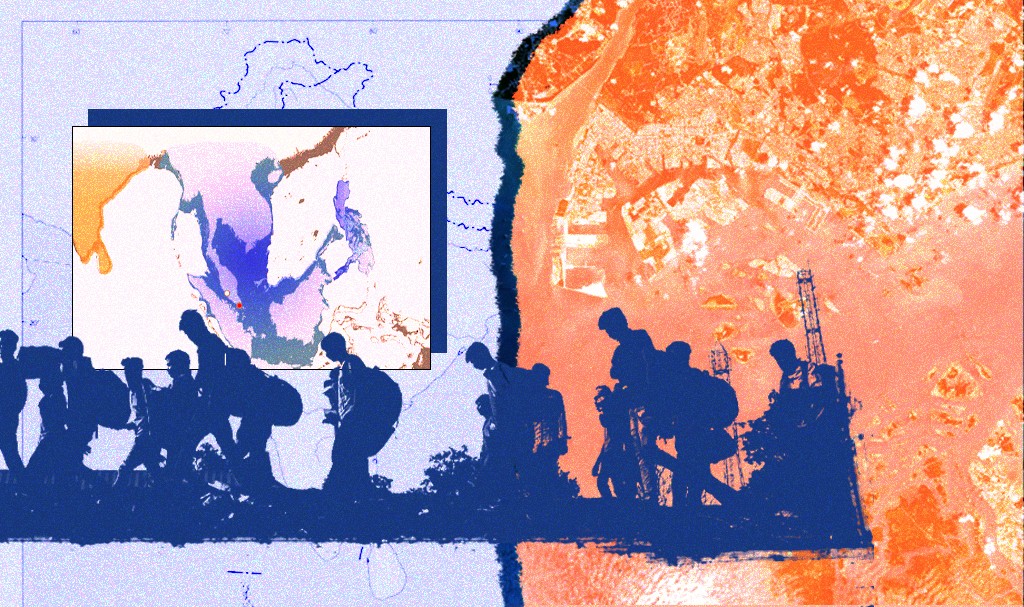
Sea Level Rise Drove Early Human Migration In Southeast Asia
Research shows that rising sea levels around 20,000 to 6,000 years ago along with population pressure forced the early inhabitants of Southeast Asia to migrate to South Asia.
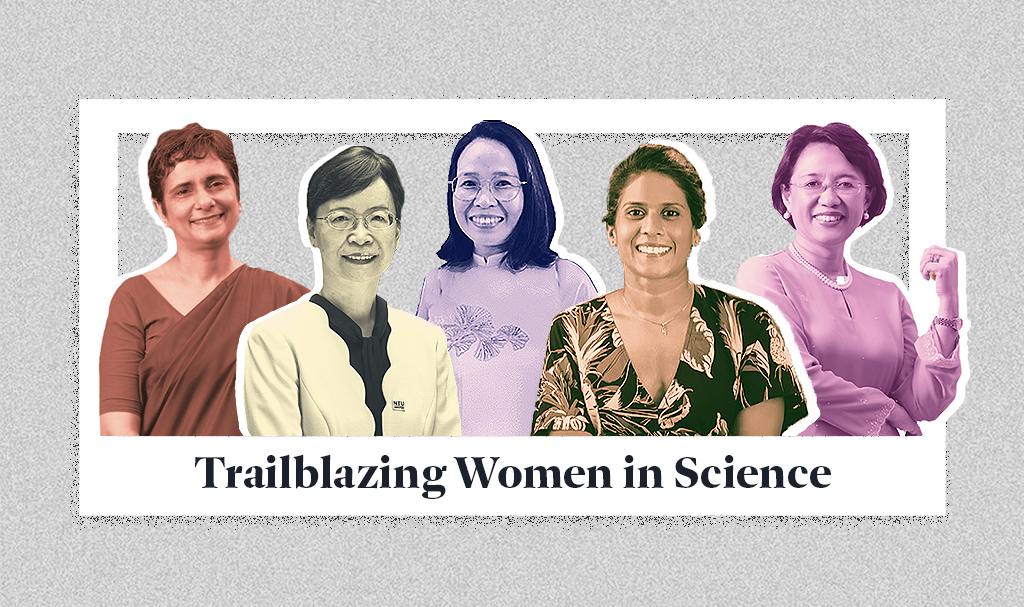
Trailblazing Women In Science
To mark this year’s International Women’s Day, we spoke to five women scientists from Asia who are breaking barriers and leading their fields. They also have a message for younger women researchers.

Nap Your Way To Better Cognitive Performance
Research shows that an afternoon nap of 30 minutes is best but even 10 minutes can help improve attentiveness and mood.

Fostering The Next Generation Of HPC Leaders
As the world enters the era of exascale computing, events like the EU-ASEAN HPC School are connecting young scholars across the region with new technologies, experts and each other.

Novel Membranes For Better Wastewater Treatment
A collaboration between the Singapore Institute of Technology and local startup SideStroem Water Technologies aims to optimize lab-scale nanofiltration-type forward osmosis membranes for industrial water recycling.

The Water Doctor (VIDEO)
Fatehah Mohd Omar, lecturer and researcher at the University of Science in Malaysia, explains how she is collaborating with industries and local communities to keep rivers in Malaysia clean.

Researchers Find A Gene To Regulate Leukemia
Pusan National University scientists have discovered that SURF4, a novel gene, can help regulate leukemia progression.
Tree Rings Reveal Historical Rainfall Patterns
Old conifers from the Hindu Kush mountains offer insights into floods and droughts in Pakistan and Afghanistan.