


The Asian Scientist 100
Di Li

Institution
National Astronomical Observatories of the Chinese Academy of Sciences
Country
China
Field
Aerospace & Astronomy
Li received the Marcel Grossmann Award for his pioneering contributions in the field of fast radio bursts. Li is the first scientist in China to receive this prize for research conducted within China.
(Photo: The Paper)
AWARDS
- Marcel Grossmann Award
Related articles

The Origins Of Gravitational Wave-Inducing Black Holes
Using supercomputer-aided simulations, scientists in Japan have examined how binary black holes responsible for gravitational waves may have originated.

How Black Carbon Aerosols Evolve During Combustion
Scientists in China, in collaboration with researchers in Japan, have analyzed how black carbon aerosols change in number and size during combustion.

Mum’s Antibodies Interfere With Baby’s Dengue Response
Antibodies from mice vaccinated with one strain of dengue virus while pregnant have been found to worsen symptoms in their pups infected with other strains.

What You Need To Know About Dengvaxia, Sanofi Pasteur’s Dengue Vaccine
Dr. Ng Su-Peing, global medical head of Sanofi Pasteur, explains how Dengvaxia can address the burden of dengue around the world.

The Philippines Pauses Dengue Vaccine Program
New findings indicate that vaccination could lead to more severe disease in people who have never had a prior dengue infection.

To Roll Out Or Not To Roll Out Dengue Vaccines? It’s Complicated
It is possible that in certain settings, routine dengue vaccination may actually increase the incidence of severe dengue—and thus the numbers hospitalized due to the disease.

First Dengue Vaccine In Asia Approved In The Philippines
Dengvaxia®, the world's first dengue vaccine, has been approved for use in the Philippines.

Pfizer’s Pneumonia Vaccine Patent Challenged In India
Pfizer’s pneumonia vaccine patent has come under legal challenge in India.
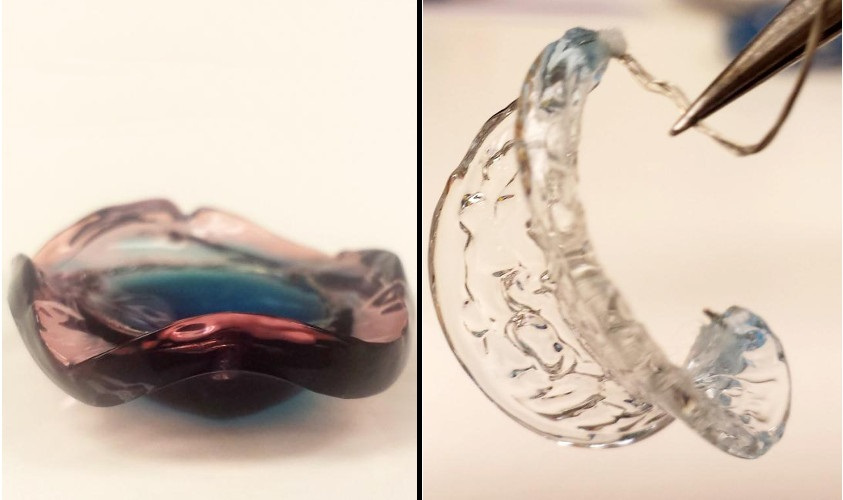
Hydrogels That Grow Like Living Tissues
A team of researchers in Singapore and the US have created hydrogels that grow like biological tissues.