


The Asian Scientist 100
Di Li

Institution
National Astronomical Observatories of the Chinese Academy of Sciences
Country
China
Field
Aerospace & Astronomy
Li received the Marcel Grossmann Award for his pioneering contributions in the field of fast radio bursts. Li is the first scientist in China to receive this prize for research conducted within China.
(Photo: The Paper)
AWARDS
- Marcel Grossmann Award
Related articles

Scientists Decode The Genome Of The Pacific White Shrimp
The Pacific white shrimp's genome spans approximately 1.66 Gb and contains 25,596 protein-coding genes.

Predicting Which Cells Can Take The BiTE Out Of Cancer
Using bispecific T-cell engager technology, or BiTE, researchers in Japan have found that the cancer-killing activity of T-cells in tumors can be estimated from T-cells in the blood.
Taking The Pulse Of Reproductive Disorders
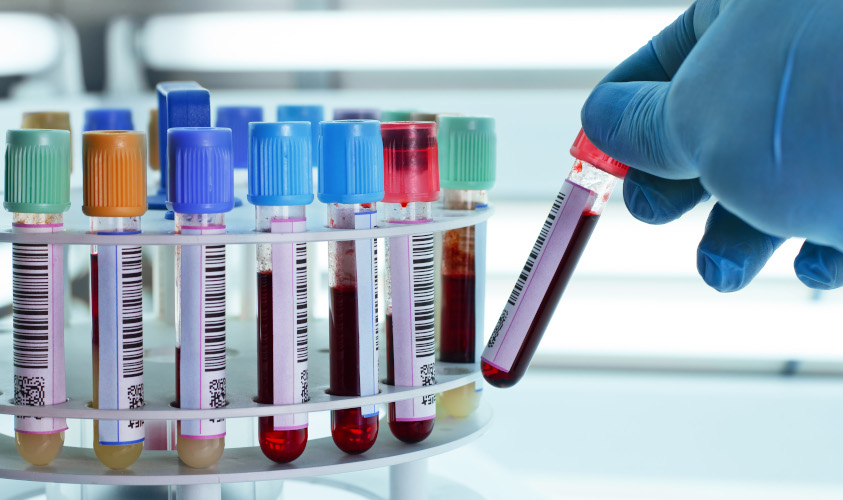
Scientists in Hong Kong and the UK have devised a method to monitor hormone pulse patterns in patients with reproductive disorders.

Scientists Discover New Shrub Species In Myanmar
The flowers of the Agapetes reflexiloba have a distinctive striped pattern and bloom in December.

Onions And Garlic Linked To Lower Bowel Cancer Risk
A research group has found that Chinese who consumed larger amounts of onions and garlic had a lower risk of being diagnosed with colorectal cancer.

Shaping Palladium Into Nanoscale Butterflies
Researchers in Japan have built butterfly-shaped palladium subnanoclusters in 3D, with potential applications as catalysts and functional materials.

Dietary Fatty Acids Raise Hypertension Risk In Diabetics
Researchers in Japan have found that dietary fatty acid intake in diabetic patients may increase hypertension risk.
2019 Edition Of Asian Scientist 100 Announced
Each year, Asian Scientist Magazine highlights 100 outstanding thinkers and innovators from Asia who are pushing the envelope with their research.
Honoring Research Talent: The Asian Scientist 100
Asia has no shortage of research talent, and the Asian Scientist 100 (2019 edition) aims to raise the profiles of outstanding scientists from the region.