


The Asian Scientist 100
Di Li

Institution
National Astronomical Observatories of the Chinese Academy of Sciences
Country
China
Field
Aerospace & Astronomy
Li received the Marcel Grossmann Award for his pioneering contributions in the field of fast radio bursts. Li is the first scientist in China to receive this prize for research conducted within China.
(Photo: The Paper)
AWARDS
- Marcel Grossmann Award
Related articles

Blue-Enriched White Light May Help Alertness
Researchers in South Korea have demonstrated that blue-enriched white light is associated with lower levels of melatonin and reduced sleepiness.

Lung Microbes Promote Pulmonary Fibrosis In Mice
Chinese researchers have uncovered how lung microbiota produce outer membrane vesicles to trigger a host immune response that causes pathological progression of pulmonary fibrosis.

Study Reveals Unequal Access To India’s Nutrition Programs
Although India’s child nutrition program is reaching a greater number of people, the poorest of the poor still benefit less, say scientists at the International Food Policy Research Institute.

ASLAN Partners BioGenetics To Commercialize Varlitinib
ASLAN Pharmaceuticals will focus on clinical development of varlitinib while BioGenetics will obtain the necessary regulatory approvals for the use of the drug in South Korea.

Zika Virus Endemic In Thailand, Study Shows
Unlike in South America where the Zika virus disappears two or three years after outbreaks, Zika transmission in Thailand has persisted for at least 16 years.
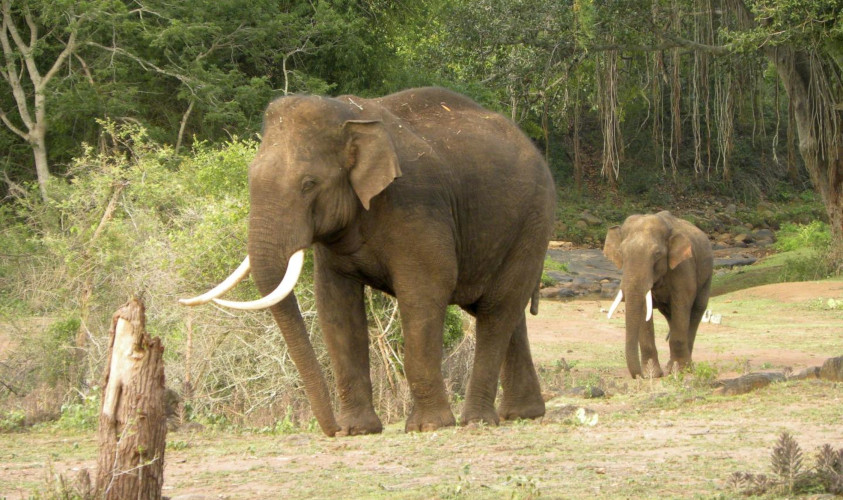
Study Predicts Major Losses To Asian Elephant Habitats By 2070
Asian elephants may lose up to 42 percent of suitable habitats in India and Nepal by 2070, according to research by an international team of scientists.

EMAS Initiative Improves Obstetric Care In Indonesia
A large-scale US-led initiative is linked to reductions in maternal and newborn deaths in Indonesia, according to researchers in the US.

Mother’s Dengue Exposure Worsens Impact Of Zika Virus On Fetus
Antibodies against the dengue virus can promote the transmission of the Zika virus from mother to fetus, resulting in more severe brain damage, say researchers in Singapore.
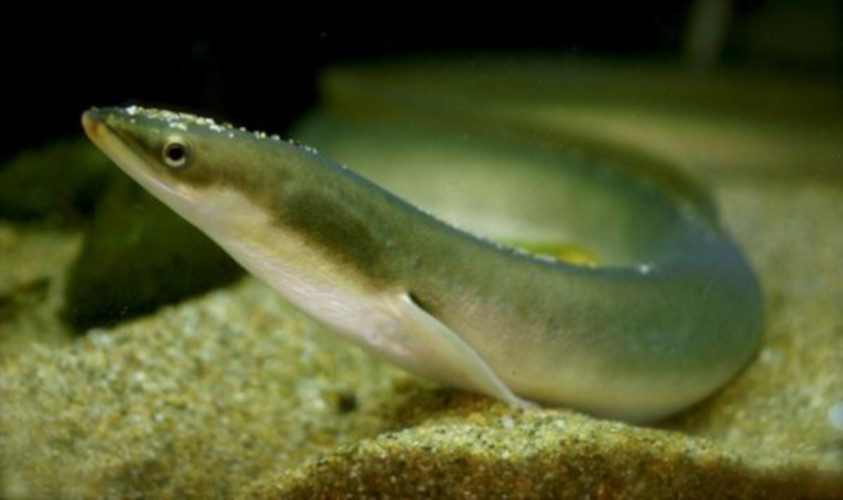
Endangered Eels Found Using eDNA
Based on DNA shed by organisms into the environment, scientists in Japan have found a way to measure the distribution of endangered eel species in Japan.