


The Asian Scientist 100
Di Li

Institution
National Astronomical Observatories of the Chinese Academy of Sciences
Country
China
Field
Aerospace & Astronomy
Li received the Marcel Grossmann Award for his pioneering contributions in the field of fast radio bursts. Li is the first scientist in China to receive this prize for research conducted within China.
(Photo: The Paper)
AWARDS
- Marcel Grossmann Award
Related articles

New Species of Frog In India Belongs To Ancient Lineage
The last common ancestor of the starry dwarf frog may have existed tens of millions of years ago, say researchers in India and the US.

How Blood Stem Cells Renew And Differentiate
Scientists in Japan have revealed how the enzyme ragnase-1 is required for the normal production of blood cells in the body.

Solving The Structure Of The Antibody-HLA Protein Complex
A research group in Singapore has mapped out the structure of the antibody-human leukocyte antigen complex at 2.4 angstrom resolution.

Mushrooms May Reduce Risk Of Cognitive Decline, Scientists Find
A research group in Singapore has found that seniors who included mushrooms in their diet had a 50 percent lower risk of cognitive impairment.

Fabricating Silky Electronics On Demand
Using photolithography instead of solvents, scientists in South Korea are now able to integrate silk fibroins with microelectronic components.
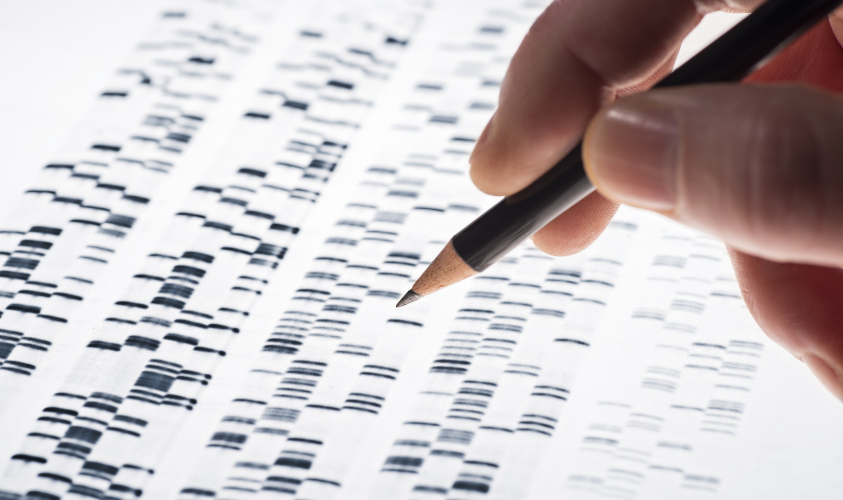
Why The Japanese Are More Susceptible To ILD Than Europeans
A study led by Japanese researchers has revealed that a variant of the gene encoding mucin 5b is linked to heightened vulnerability to interstitial lung disease among the Japanese compared to Europeans.

Ambrx And BeiGene To Jointly Develop Next-Gen Biologics
Under the terms of the collaboration with BeiGene, Ambrx will receive US$10 million to fund the initial discovery and research activities for novel biologic drug candidates.
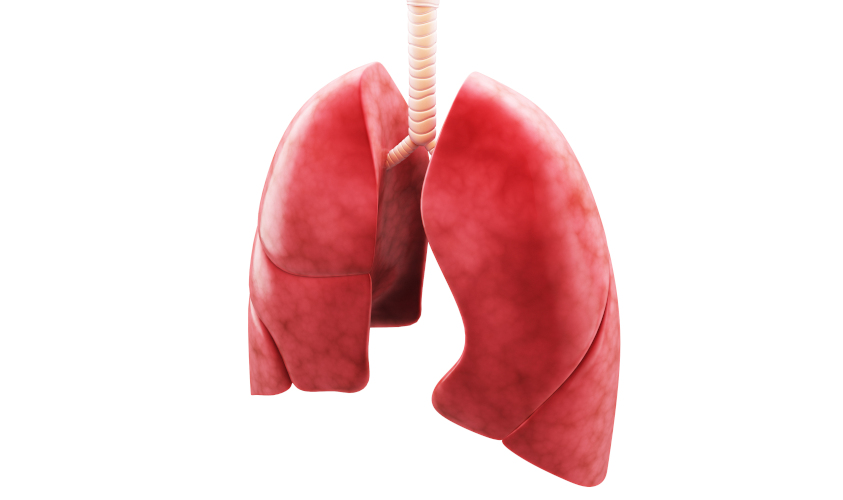
Stratifin Inhibitor Blocks Lung Cancer Progression
Combining experimental data with a computer-based drug screen, scientists in Japan have found two inhibitors that could slow or stop lung adenocarcinoma tumor growth.
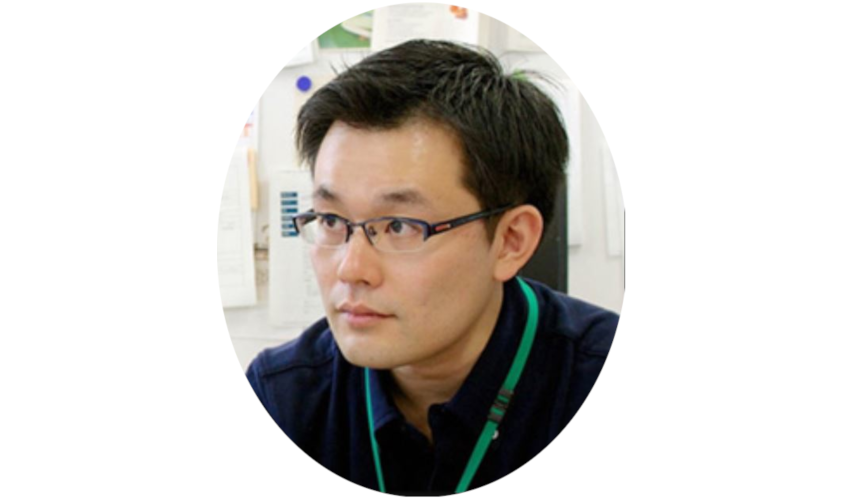
Tokyo Tech Professor Named Emerging Investigator 2019
The academic journal Biomaterials Science has selected Associate Professor Toshinori Fujie of the Tokyo Institute of Technology as an Emerging Investigator in 2019.