


The Asian Scientist 100
Di Li

Institution
National Astronomical Observatories of the Chinese Academy of Sciences
Country
China
Field
Aerospace & Astronomy
Li received the Marcel Grossmann Award for his pioneering contributions in the field of fast radio bursts. Li is the first scientist in China to receive this prize for research conducted within China.
(Photo: The Paper)
AWARDS
- Marcel Grossmann Award
Related articles

Seeing Flow Cytometry In A Whole New Light
Combining flexibility, ease of use and sensitivity in one affordable platform, Cytek’s Biosciences Inc.’s Northern Lights flow cytometer promises to bring cell analysis within the reach of many.
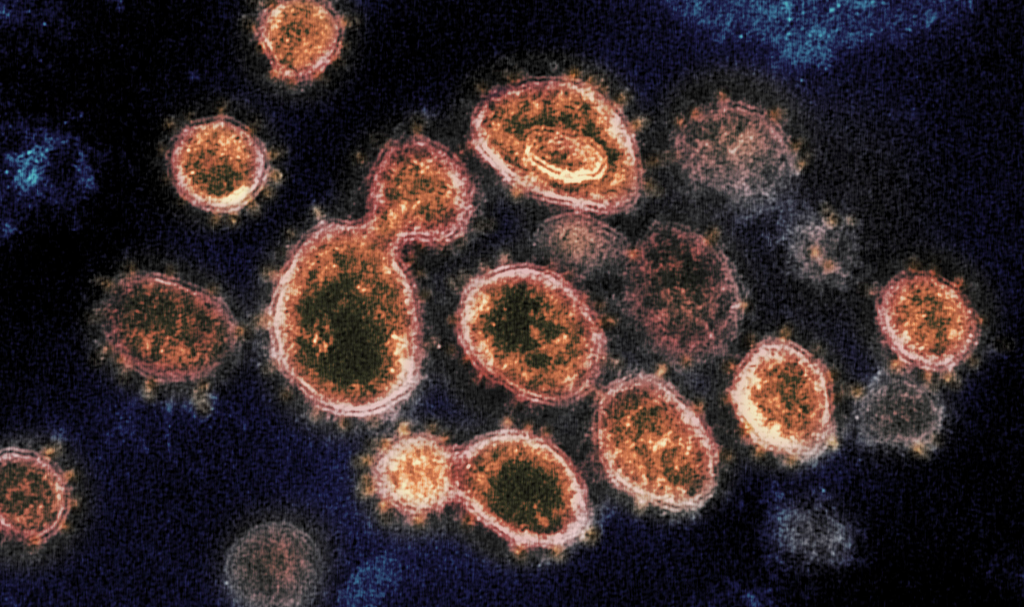
Mutation Making SARS-CoV-2 Milder Identified
The ∆382 mutation in the open reading frame 8 region of the SARS-CoV-2 genome leads to less severe infections and could possibly be used as a live attenuated vaccine.

Sequencing Telomeres In A Snap
Researchers in Singapore have developed a new system for accurate and speedy telomere profiling, which could impact the diagnosis of age-related diseases.

Bellowing Alligator Study Wins Ig Nobel Acoustic Prize
An international team won the acoustic category at the 30th First Annual Ig Nobel Prize for inducing a Chinese alligator to bellow in a helium-filled chamber.

Combating Superbugs Through Comic Books (VIDEO)
From antimicrobial resistance to COVID-19, infectious diseases physician Dr. Hsu Li Yang is tackling the world’s most pressing public health issues through comic books.

Ancient Shellfish Sailed The Seas On The Shells Of Turtles
Colonizing the shells of live sea turtles might have allowed mollusks to encounter previously unexplored niches, scientists say.

Cough Into Your Elbow With Sleeves, Please
While N95 masks are the most effective at reducing droplet transmission, even simple cloth masks could go a long way in preventing the spread of respiratory diseases.
Asia’s Rising Scientists: Kathleen Aviso
As the world increasingly feels the effects of climate change, Professor Kathleen Aviso is using mathematical models to help guide better environmental decisions.

How The Brain Prepares For The Eyes To See
Computer simulations show that spontaneous activity in the developing retina could help the visual cortex form properly prior to input from the eyes.