


The Asian Scientist 100
Di Li

Institution
National Astronomical Observatories of the Chinese Academy of Sciences
Country
China
Field
Aerospace & Astronomy
Li received the Marcel Grossmann Award for his pioneering contributions in the field of fast radio bursts. Li is the first scientist in China to receive this prize for research conducted within China.
(Photo: The Paper)
AWARDS
- Marcel Grossmann Award
Related articles

Japanese Researchers Win Prestigious Lasker Awards
The Lasker Foundation awarded four Japanese researchers across two categories for their groundbreaking work in hemophilia and narcolepsy.

This New Tech Could Help The Ocean Absorb More CO₂
The technology can extract dissolved carbon from seawater and lock it away as stable minerals, potentially enabling long-term carbon storage with lower energy use.

Singaporeans Are Living Longer, But Not Necessarily Healthier
The global study suggests that many people are spending more years managing chronic conditions rather than remaining healthy for longer.

China’s Planted Forests More Vulnerable To Disasters Than Natural Forests
Unlike new trees, older trees in natural forests often have deeper root systems that can access water stored deeper in the soil, helping forests withstand sudden moisture shortages.

The Look Of Your Neighbourhood Could Affect Your Sleep
A study of Tokyo neighbourhoods finds that greenery and a sense of safety may help people sleep longer, while areas with more sidewalks and traffic signs could have the opposite effect.
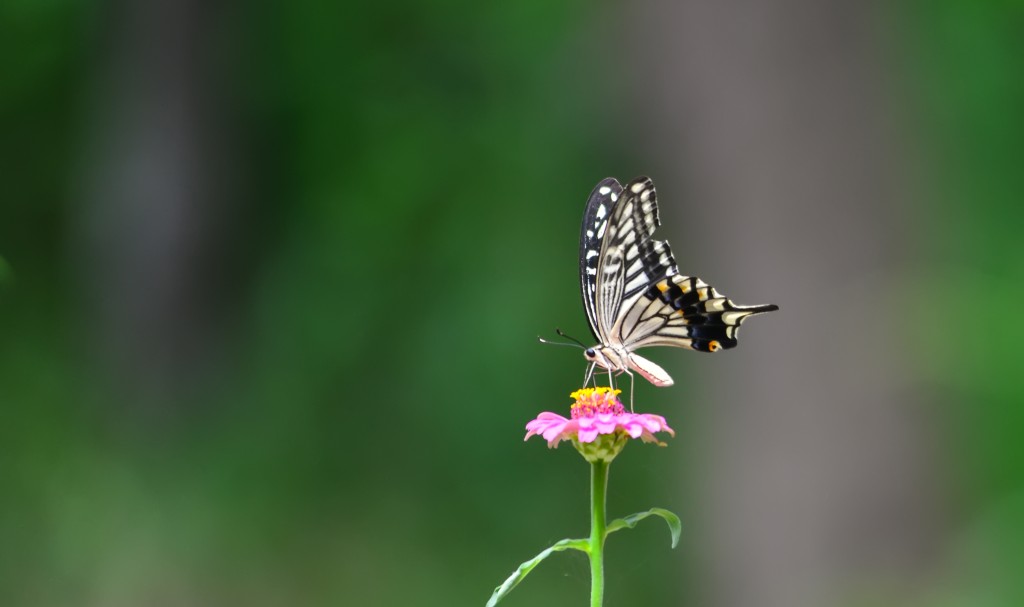
Butterflies Reveal What A “Healthy” Forest May Be Hiding
Different butterfly groups respond differently to habitat loss and human activity, offering scientists a new way to monitor ecosystem health.
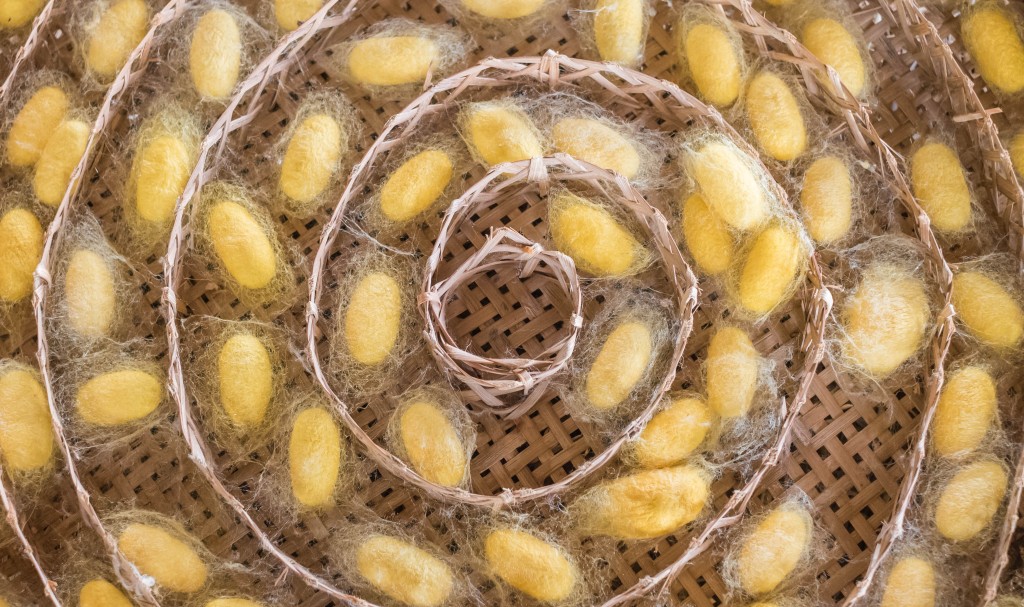
Adding Fiber To Silkworms’ Diet Makes Their Silk Stronger
Researchers developed silk that has higher tensile strength and is less prone to shrinking by simply feeding silkworms with fiber-enriched food.

The 2004 Sumatra Earthquake Is Still Moving The Ground—600 km Away
A new study finds that land up to 600 km from the earthquake’s epicentre continues to sink by a few millimetres each year.
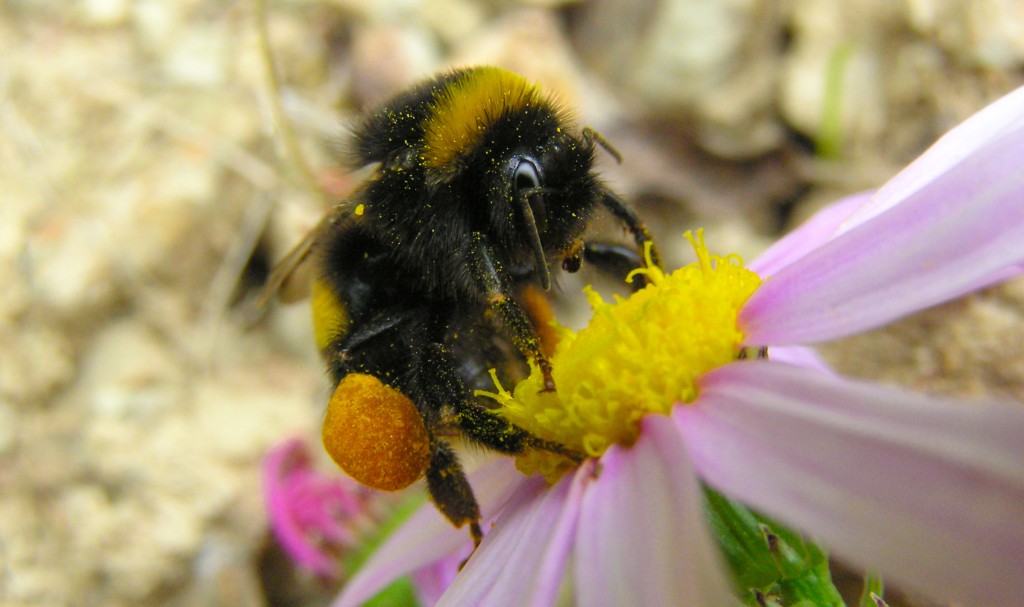
Bumblebees Make ‘Yum’ And ‘Eww’ Faces, Study Finds
A new study shows that bumblebees display distinct facial expressions after tasting food, revealing that insects can distinguish between liking and wanting.