


The Asian Scientist 100
Can Li

Institution
University of Hong Kong
Country
Hong Kong
Field
Engineering
Li is a recipient of the 2023 Croucher Tak Wah Mak Innovation Award for his research exploring the limitations of digital computers in performing tasks accomplished by the human brain, including recognising faces, reasoning based on vague information, and learning from experience.
(Photo: University of Hong Kong)
AWARDS
- 2023 Croucher Tak Wah Mak Innovation Award
Related articles

Eye Test Can Spot Glaucoma Four Years Earlier
A newly patented eye test that uses spots of light can help to detect glaucoma years earlier than standard tests.

A Step Closer To The World’s First Alzheimer’s Vaccine
Researchers in the US and Australia have developed a vaccine formulation that targets the two hallmark proteins of Alzheimer's disease.
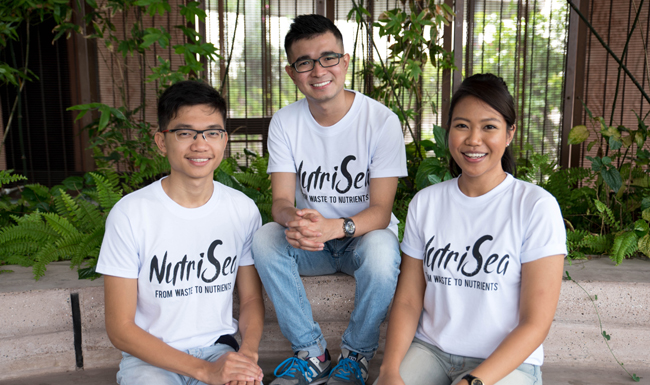
Nutritional Seaweed Kit Wins Shell Ideas360 Audience Choice Award
A kit that makes nutritional supplements out of seaweed has topped a live audience vote at Shell’s global innovation competition.

10 ’Omics You Need To Know
Confused by the proliferation of ‘omics but don’t want to be left behind? Fret not, Asian Scientist Magazine has got you covered with our handy explainer on the hottest ‘omics around.

What’s The Address? Three Little Words Can Tell You
GPS? What GPS? Three-word phrases could be a promising alternative to street names and house numbers in places where few people possess street addresses.
Chronic Diseases In The Crosshairs
Diabetes may affect 350 million people worldwide, but they do not all need to be treated the same way, says clinician scientist Dr. Tai E Shyong, who studies the epidemiology of metabolic diseases.
When Modified, Tumor Suppressor Protein RUNX3 Goes Rogue
RUNX3, a protein that normally suppresses the formation of tumors, ends up doing the opposite when it is modified by phosphorylation.

Red Meat Intake May Increase Risk Of Kidney Failure
Researchers have found that red meat intake increases the risk of kidney failure, but alternative sources of protein may help to reduce this risk.

A*STAR, MSD To Team Up On Macrocyclic Peptide Therapeutics
The two-year collaboration will focus on improving the delivery of macrocyclic peptides into cells.