


The Asian Scientist 100
Can Li

Institution
University of Hong Kong
Country
Hong Kong
Field
Engineering
Li is a recipient of the 2023 Croucher Tak Wah Mak Innovation Award for his research exploring the limitations of digital computers in performing tasks accomplished by the human brain, including recognising faces, reasoning based on vague information, and learning from experience.
(Photo: University of Hong Kong)
AWARDS
- 2023 Croucher Tak Wah Mak Innovation Award
Related articles

Indonesia Study Disputes UN Data On Peat Fire Emissions
A study shows that the 2015 Indonesian peat fires released less carbon dioxide than projected by UN climate experts—but discharged more potentially hazardous gases.

China’s First HPV Vaccine Approved
GSK's Cervarix™ HPV vaccine could help to protect the health of millions of women in China at risk of cervical cancer.

Heart Mesh Keeps Beats In Sync (VIDEO)
A step up from traditional pacemakers, this mesh wraps around the heart, synchronizing heartbeats by delivering electrical impulses to the entire organ.

Asia’s Rising Scientists: Aisa Mijeno
As part of our monthly Asia's Rising Scientists series, we talk to Aisa Mijeno, professor at De La Salle University—Lipa and co-founder & CEO of SALt.

Asia’s Rising Scientists: Pham Quang Cuong
As part of our monthly Asia's Rising Scientists series, we talk to Pham Quang Cuong, assistant professor at Singapore's Nanyang Technological University.

Asia’s Rising Scientists: Mahar Lagmay
This month, we turn the spotlight on Professor Mahar Lagmay, a disaster mitigation expert from the University of the Philippines Diliman.
Asia’s Rising Scientists: Vincent Tan
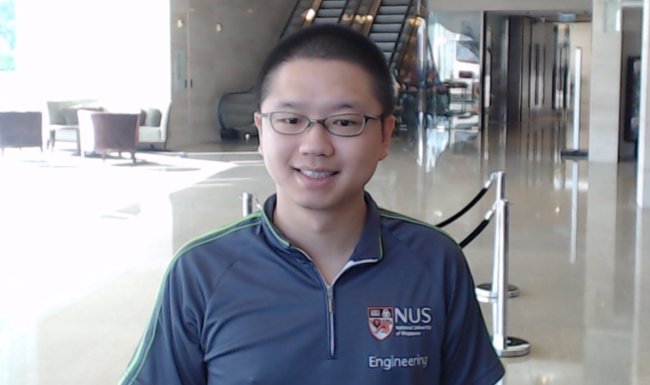
Assistant Professor Vincent Tan tackles the “fiendishly difficult” problem of optimal communication, all the while juggling professional and family life.

Soybean Protein Found To Improve Metabolism In Mice
Japanese researchers have found that a single intake of soybean protein improves metabolism in mice, reducing the risk for obesity.

Parting Is Such Sweet Sorrow, Even For Continents
Scientists have revealed that continents break up in two phases: slow at first, before suddenly speeding up.