


The Asian Scientist 100
Can Li

Institution
University of Hong Kong
Country
Hong Kong
Field
Engineering
Li is a recipient of the 2023 Croucher Tak Wah Mak Innovation Award for his research exploring the limitations of digital computers in performing tasks accomplished by the human brain, including recognising faces, reasoning based on vague information, and learning from experience.
(Photo: University of Hong Kong)
AWARDS
- 2023 Croucher Tak Wah Mak Innovation Award
Related articles

25 Singaporean Scientists Honored In Commemorative Book
Singapore's Scientific Pioneers tells the individual stories of Singapore’s collective efforts in science and technology.

Researchers Discover A New Pathway For That Annoying Itch
Scratching below the surface of itch signaling, researchers have discovered a new type of calcium ion channel that transmits multiple types of itch.

Beach-Comber, Wave-Watcher
A self-described “professional beach bum,” Wong Poh Poh was one of the first geographers to carve out a niche in coastal tourism.
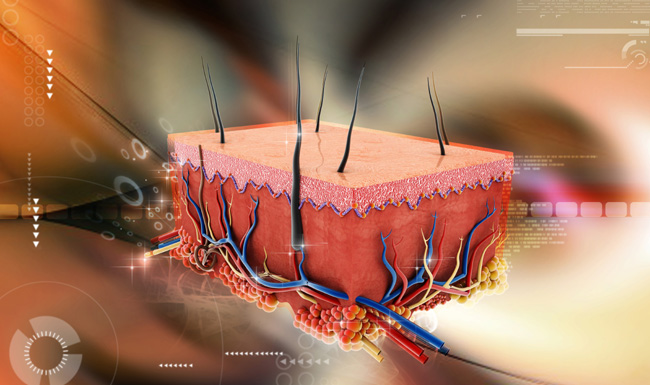
How To Control Eczema? With Fierce Bacterial Competition
Despite appearing normal in between flareups, the skin of eczema patients is chock-full of ‘opportunistic pathogens' but deficient in helpful bacteria.

Rusty Steel? No Problem, Let’s Split Water With It
Corroded stainless steel plates could be used as efficient, low cost and stable electrodes for splitting water into hydrogen and oxygen.

For Some Female Birds, Home Is More Important Than Husband
Female purple-crowned fairy-wrens are in such fierce competition over territory that they are willing to ‘divorce’ their male partners for a better patch, a study shows.

The Undulating Walk Of The Centipede
Researchers have shown how centipedes harness instability when they walk, producing a distinctive undulating motion.

How Obesity Contributes To Severe Infections
In obese mice, deficiencies in a hormone secreted by fat cells impair the formation of infection-fighting white blood cells, researchers have found.

Malaria’s Best Defense Is Also Its Achilles’ Heel
Mutations to a protein that enables the malaria parasite to evade several anti-malarial drugs can make it vulnerable to other drugs, a study has found.