


The Asian Scientist 100
Can Li

Institution
University of Hong Kong
Country
Hong Kong
Field
Engineering
Li is a recipient of the 2023 Croucher Tak Wah Mak Innovation Award for his research exploring the limitations of digital computers in performing tasks accomplished by the human brain, including recognising faces, reasoning based on vague information, and learning from experience.
(Photo: University of Hong Kong)
AWARDS
- 2023 Croucher Tak Wah Mak Innovation Award
Related articles

Overcooking Your Proteins Could Change More Than Its Taste
A new study found that high heat decreased the nutritional content of proteins and was linked to changes in how mice behaved socially.
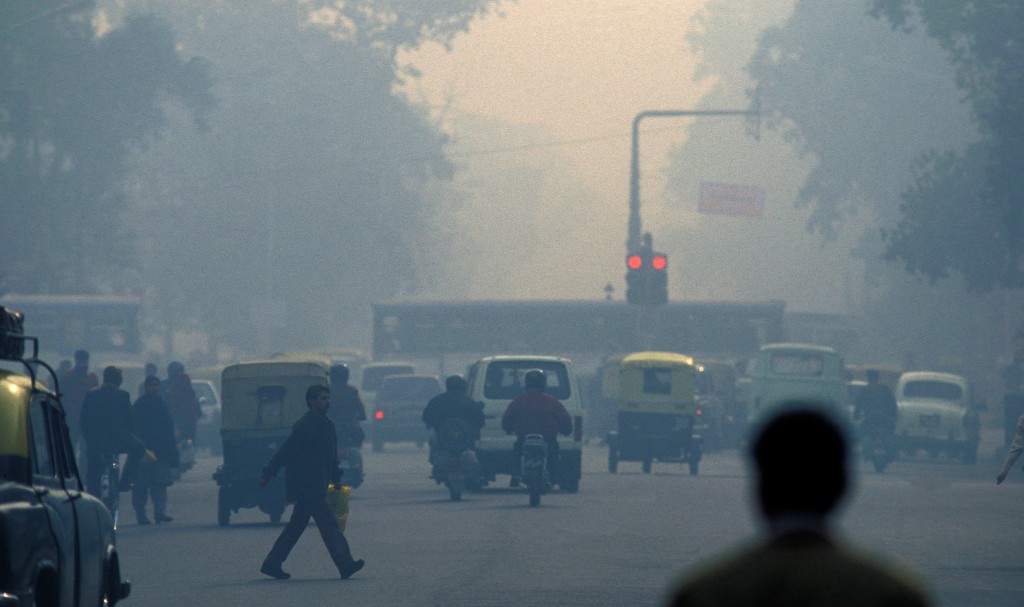
Extreme Heat May Be Making India’s Air Pollution Problem Worse
Researchers found that concentrations of organic carbon particles can rise sharply during extreme heat, adding to the pollution already in the air.

Older Adults Prefer AI Companions That Don’t Pretend To Be Human
A new study suggests that authenticity and natural interaction, rather than human-like design, may encourage older adults to embrace AI chatbots for companionship.

7 Must-Read Stories In July 2016
A list of India’s top scientists and features on Singapore’s scientific pioneers made for popular reads in July 2016.
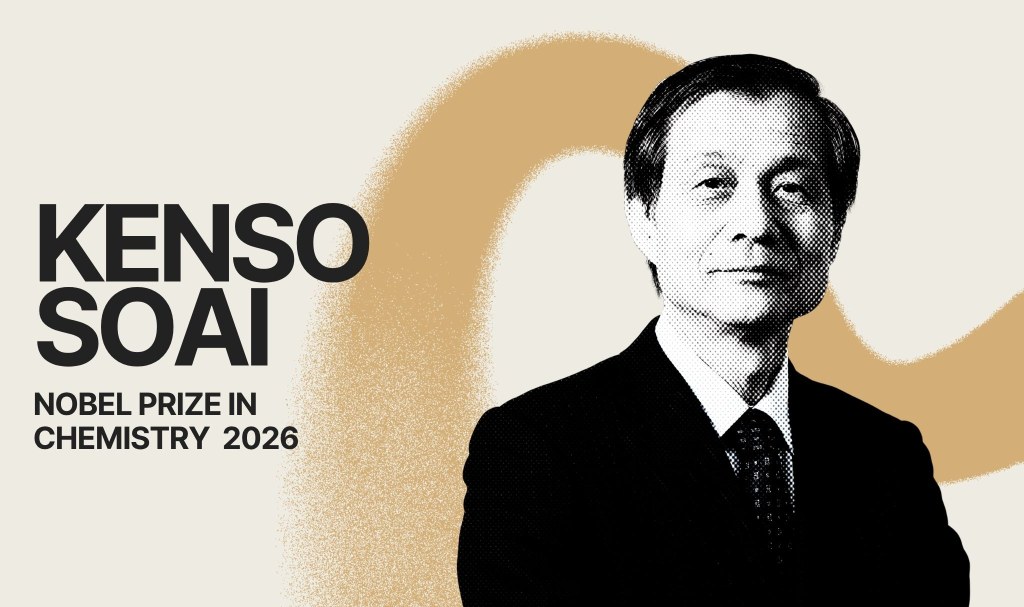
Japanese Scientist Kenso Soai Wins Chemistry Nobel Prize With French Scientist Henri B. Kagan
The researchers won the award for solving a long standing mystery in chemistry: homochirality.

Water Isotopes Offer A New Way To Improve Weather Forecasts
A study using satellite observations from 2014 to 2019 finds that adding water isotope data to weather models can improve forecasts by up to five days.
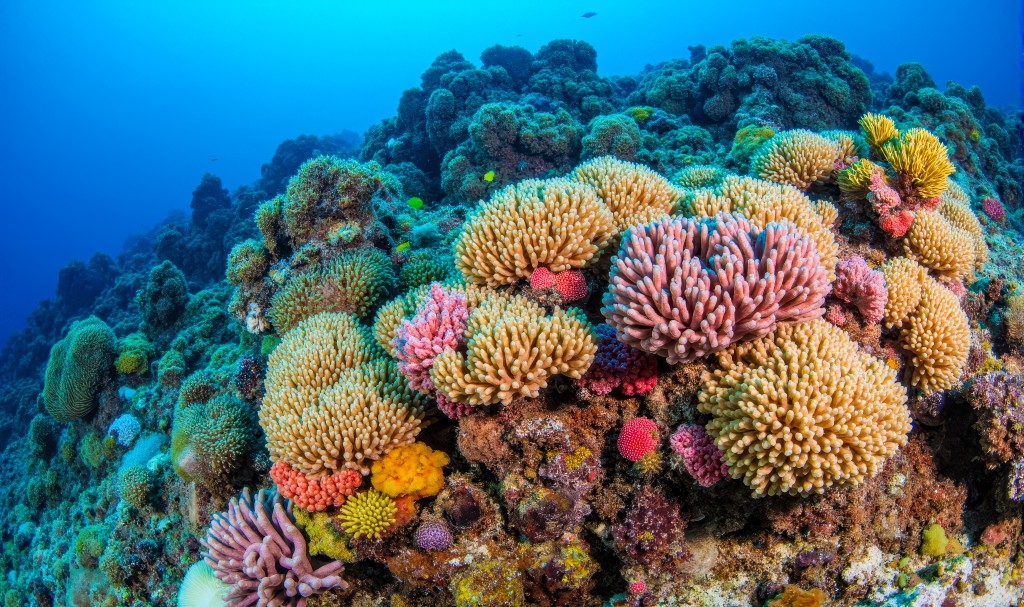
Coral Reefs May Not Grow Fast Enough To Keep Pace With Rising Seas
Corals may be unable to keep up with rapidly rising sea levels, threatening marine wildlife and coastal communities

This Molecular Switch Helps Triple-Negative Breast Cancers Resist Treatment
Researchers uncover how the long non-coding RNA Smyca helps triple-negative breast cancer cells repair DNA damage and survive treatment.
The First 24 Hours of A Viral Infection May Help Determine Its Outcome
A Japanese study in mice suggests that differences in the body’s antiviral response emerge within a day of infection, and may help explain why the same virus affects individuals so differently.