


The Asian Scientist 100
Can Li

Institution
University of Hong Kong
Country
Hong Kong
Field
Engineering
Li is a recipient of the 2023 Croucher Tak Wah Mak Innovation Award for his research exploring the limitations of digital computers in performing tasks accomplished by the human brain, including recognising faces, reasoning based on vague information, and learning from experience.
(Photo: University of Hong Kong)
AWARDS
- 2023 Croucher Tak Wah Mak Innovation Award
Related articles
Low Sperm Count Linked To Mothers’ Smoking
Male babies that do not have good fetal growth or are exposed to their mothers' smoking are more likely to have a lower sperm count as adults, according to a new study.
Japanese Scientists Culture Sperm Cells In A Dish
Scientists from the Yokohama City University have successfully cultured mouse testes cells and induced them to produce sperm.

Graphene Oxide Protects Sperm From Ice
Just a small amount of graphene oxide is sufficient to prevent ice crystals from forming, thereby protecting sperm during cryopreseveration.

Test Tube Sperm Produce Apparently Healthy Offspring
Researchers have successfully coaxed stem cells into sperm-like cells that can produce healthy offspring.

Three Scientists Receive 2018 Croucher Fellowships
A trio of scientists from the Hong Kong University and the Hong Kong University of Science and Technology have been selected as Croucher Foundation Research Fellows for 2018-2019.
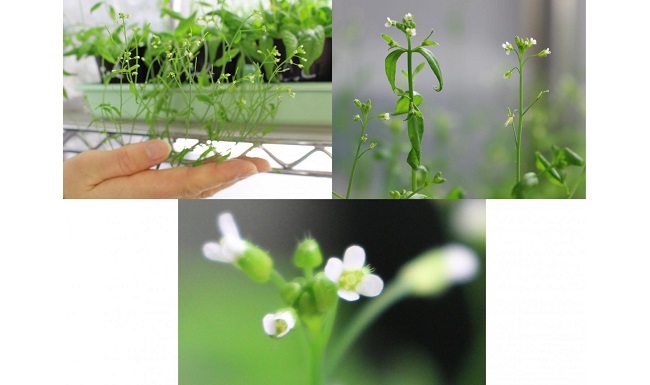
Cell Fusion Ensures Only One Sperm Gets Through
Research shows that flowering plants prevent polytubey through the extremely rare process of cell fusion.
Crocodile Sperm Swim Like Human Ones
Studying crocodiles could help us understand male infertility in humans, since their sperm also continue to mature as they ‘swims’ towards the egg.

Sperm Grown On Mice Produce Live Monkeys
Six healthy monkeys have been born using sperm grown from testis tissue transplanted onto the backs of mice.

Keeping Mammalian Sperm Production Flowing
The maintainance of stem cells during mouse spermatogenesis depends on hierarchical differences in response to retinoic acid, study says.