


The Asian Scientist 100
Can Li

Institution
University of Hong Kong
Country
Hong Kong
Field
Engineering
Li is a recipient of the 2023 Croucher Tak Wah Mak Innovation Award for his research exploring the limitations of digital computers in performing tasks accomplished by the human brain, including recognising faces, reasoning based on vague information, and learning from experience.
(Photo: University of Hong Kong)
AWARDS
- 2023 Croucher Tak Wah Mak Innovation Award
Related articles

Three Scientists Receive 2018 Croucher Fellowships
A trio of scientists from the Hong Kong University and the Hong Kong University of Science and Technology have been selected as Croucher Foundation Research Fellows for 2018-2019.
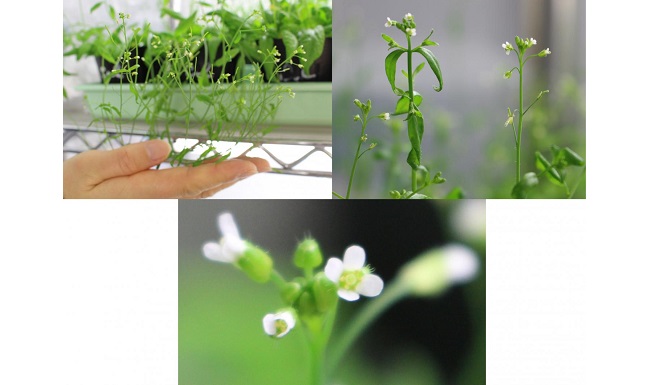
Cell Fusion Ensures Only One Sperm Gets Through
Research shows that flowering plants prevent polytubey through the extremely rare process of cell fusion.

Crocodile Sperm Swim Like Human Ones
Studying crocodiles could help us understand male infertility in humans, since their sperm also continue to mature as they ‘swims’ towards the egg.

Sperm Grown On Mice Produce Live Monkeys
Six healthy monkeys have been born using sperm grown from testis tissue transplanted onto the backs of mice.

Keeping Mammalian Sperm Production Flowing
The maintainance of stem cells during mouse spermatogenesis depends on hierarchical differences in response to retinoic acid, study says.

Sugary Fuel Needed For Sperm Stem Cell Renewal
Drugs that enhance glycolysis, the release of sugar through the breakdown of glucose, have been found to increase the self-renewal capacity of sperm stem cells.

Air Pollution Linked To Lower Sperm Quality
An international team of scientists have demonstrated that prolonged exposure to particulate matter in the air could affect sperm quality.

Female Chickens Store Sperm From Multiple Males With Help From Fat Cells
Droplets of fat transferred from female cells to sperm cells may contribute to keeping sperm alive for long periods of time.

Reprogramming ‘Fixes’ Trisomic Sperm
Cells with extra sex chromosomes can be reprogrammed to create sperm with the correct number of chromosomes that can give rise to healthy offspring.