


The Asian Scientist 100
Can Li

Institution
University of Hong Kong
Country
Hong Kong
Field
Engineering
Li is a recipient of the 2023 Croucher Tak Wah Mak Innovation Award for his research exploring the limitations of digital computers in performing tasks accomplished by the human brain, including recognising faces, reasoning based on vague information, and learning from experience.
(Photo: University of Hong Kong)
AWARDS
- 2023 Croucher Tak Wah Mak Innovation Award
Related articles

Adjusting ‘Lazy Eyes’ With Augmented Reality
Researchers in China have shown that augmented reality technology can be used to correct ‘lazy eye’ or amblyopia.

Tech For The Social Good
Technology gave us 140 characters, but can it also help companies deliver social impact? Panellists question the floor at SGInnovate’s first Women in Tech Evening.

Experiments In Science Journalism
Science journalism is under pressure, but just like in science itself, the solution(s) are experimental.
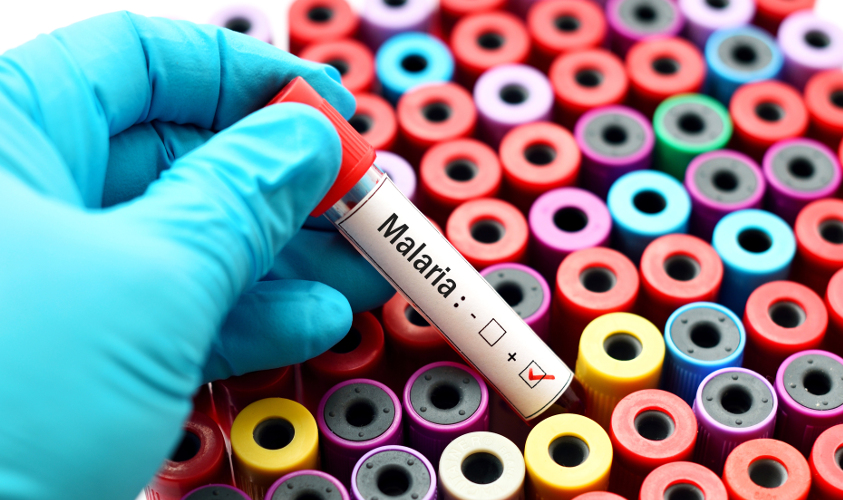
How Malaria Parasites Evade The Immune System
Researchers have discovered a ‘molecular handshake’ that allows malaria parasites to escape from the host’s immune system.

Antibiotic-Resistant Bacteria Widespread In China
Scientists in Hong Kong have detected the gene for colistin-resistance in human, food and environmental samples from Hong Kong and China.

Building Smart Cities, Brick By Digital Brick
Alongside concrete, granite and steel, digital technologies have now become an integral part of a city’s foundations, said keynote speakers at the 2017 International Conference on Information and Knowledge Management.

A Sense Of Purpose
With advanced sensor technology and real-time analytics, researchers at SMU’s LiveLabs are turning data from smartphones, wearable devices and the physical environment into powerful insights.

‘Smelly Egg Gas’ Might Help With Male Infertility
Hydrogen sulphide, the gas which gives rotten eggs their characteristic smell, could be used to mitigate heat-induced testicular injury.

IVF Babies Just As Healthy As Naturally Conceived Ones
A large survey carried out by researchers in Australia has allayed the fears of IVF baby parents.