


The Asian Scientist 100
Can Li

Institution
University of Hong Kong
Country
Hong Kong
Field
Engineering
Li is a recipient of the 2023 Croucher Tak Wah Mak Innovation Award for his research exploring the limitations of digital computers in performing tasks accomplished by the human brain, including recognising faces, reasoning based on vague information, and learning from experience.
(Photo: University of Hong Kong)
AWARDS
- 2023 Croucher Tak Wah Mak Innovation Award
Related articles
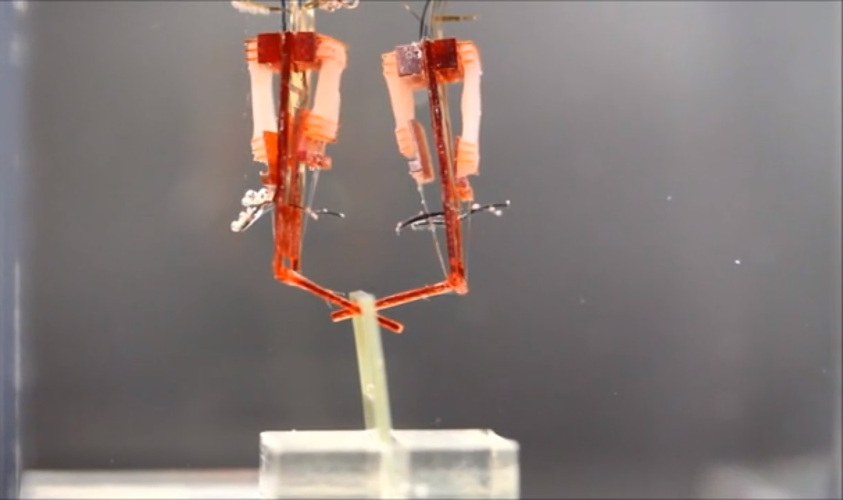
When Muscles Meet Machines
A team of researchers in Japan has grown sheets of muscle on hydrogels and anchored them onto a robotic frame to create a biohybrid robot.

Artificial Nerves Move Biological Muscle
Scientists have successfully created artificial nerves that can sense pressure and move muscles.

Oxytocin Can Warp Our Sense Of Time
The hormone oxytocin is responsible for the temporal compression effect, where the duration of social interaction feels shorter than it actually is.

This Fungus Borrowed From Bacteria To Break The Mold
A common fungus developed the ability to sense gravity by remodeling a gene it acquired from bacteria.

Space Satellites Reveal Details Of North Korea’s 2017 Nuclear Test
North Korea’s 2017 nuclear test at Mount Mantap was ten times more powerful than the historic explosion at Hiroshima, researchers say.

Wanted: Managers With A Human Touch
ESSEC’s Master of Science in Management of Health Industries program offers a unique Asian take on the healthcare industry and gives students a chance to launch exciting careers.

It’s All Monkey Business For Andie
Asian Scientist Magazine had a chat with Dr. Andie Ang, who was recently appointed president of the Jane Goodall Institute (Singapore), on her upcoming projects in primate conservation.
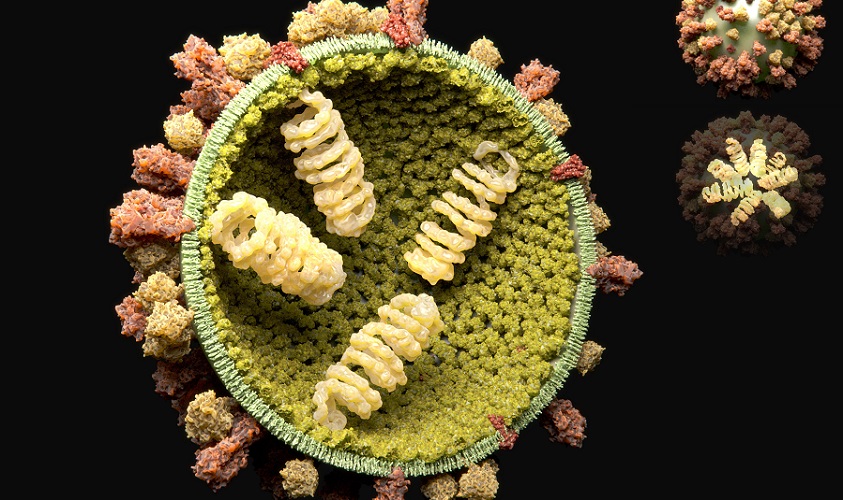
Existing Anti-Hypertension Drug Could Help Fight Flu
Anti-hypertensive drugs called calcium channel blockers can suppress influenza virus replication by blocking a key viral receptor.

Rare Rotavirus Strain Identified In Indonesian Children
Genetic sequencing reveals that a third of the acute gastroenteritis cases affecting children in Indonesia from 2015 to 2016 were caused by a rare strain of rotavirus.