


The Asian Scientist 100
Can Li

Institution
University of Hong Kong
Country
Hong Kong
Field
Engineering
Li is a recipient of the 2023 Croucher Tak Wah Mak Innovation Award for his research exploring the limitations of digital computers in performing tasks accomplished by the human brain, including recognising faces, reasoning based on vague information, and learning from experience.
(Photo: University of Hong Kong)
AWARDS
- 2023 Croucher Tak Wah Mak Innovation Award
Related articles
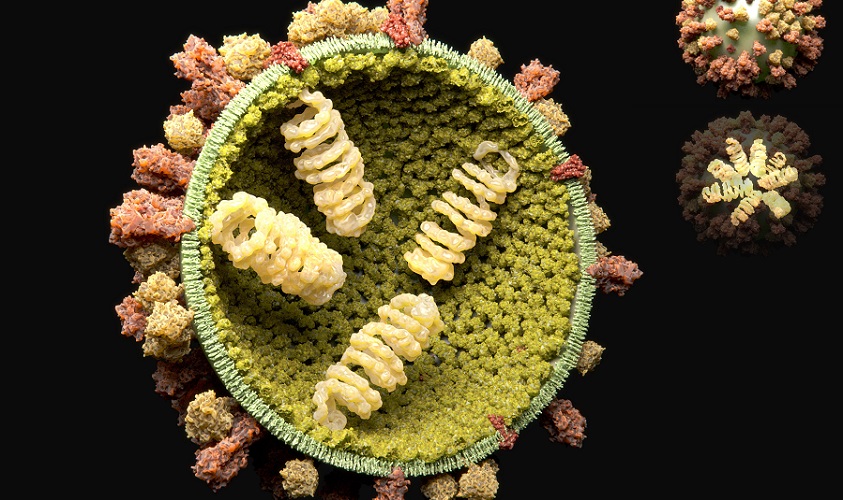
Existing Anti-Hypertension Drug Could Help Fight Flu
Anti-hypertensive drugs called calcium channel blockers can suppress influenza virus replication by blocking a key viral receptor.

Rare Rotavirus Strain Identified In Indonesian Children
Genetic sequencing reveals that a third of the acute gastroenteritis cases affecting children in Indonesia from 2015 to 2016 were caused by a rare strain of rotavirus.

From PhD To Postdoc
Some advice on how to make the tricky transition from student to independent, well-rounded researcher.

Stretchable 3D Printing In High Resolution
Researchers have developed hydrogels that can be 3D printed in high resolution and stretched by up to 1,300 percent.
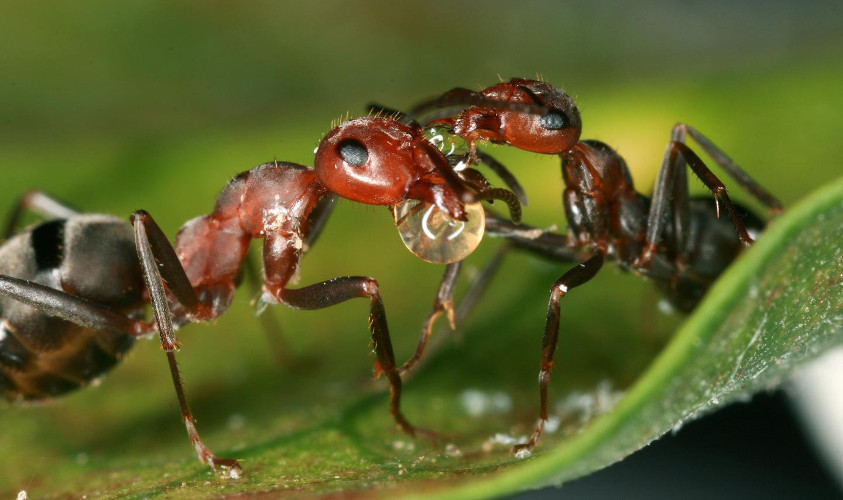
Ants Tell The Story Of Tropical Biodiversity
Researchers have studied ants to explain why biodiversity is higher in tropical regions compared to areas further away from the equator.

Muscle Loss Driven By Epigenetics Both In Space And On Earth
Scientists in Japan have identified DNA methylation as a crucial mediator of muscle loss at microgravity as well as at normal gravity.

Japanese Study: Acupuncture May Prevent Muscle Loss In Elderly And Patients
A team of Japanese researchers have found that acupuncture therapy may benefit the elderly and patients who suffer from loss of skeletal muscle mass.

One Test, Two Uses: Diagnosing Both Muscle-Wasting & Heart Failure
A simple screening method for sarcopenia, which causes muscle mass loss, was just found to be surprisingly effective at diagnosing heart failure risk.

Creating Custom Yeast Strains For Industry
Scientists have devised a method to ‘reshuffle’ the yeast genome, allowing them to create new yeast strains for industrial biotechnology applications.