


The Asian Scientist 100
Can Li

Institution
University of Hong Kong
Country
Hong Kong
Field
Engineering
Li is a recipient of the 2023 Croucher Tak Wah Mak Innovation Award for his research exploring the limitations of digital computers in performing tasks accomplished by the human brain, including recognising faces, reasoning based on vague information, and learning from experience.
(Photo: University of Hong Kong)
AWARDS
- 2023 Croucher Tak Wah Mak Innovation Award
Related articles

OPINION: Asian Century White Paper Sets Tricky Targets For Universities
Australia should aim for six or eight of its universities to be ranked in the top 100 globally, writes Prof. Simon Marginson of the University of Melbourne.

Cheaper OLED Displays Without Precious Metals
Researchers have come up with a more cost-effective method of producing highly efficient organic light-emitting diode (OLED) displays, commonly used in HD TVs.

With This Fuel Cell, Drones Can Now Fly Longer
Researchers have developed a solid oxide fuel cell that has greater capacity than its lithium ion predecessors, allowing drones to have longer flight times.
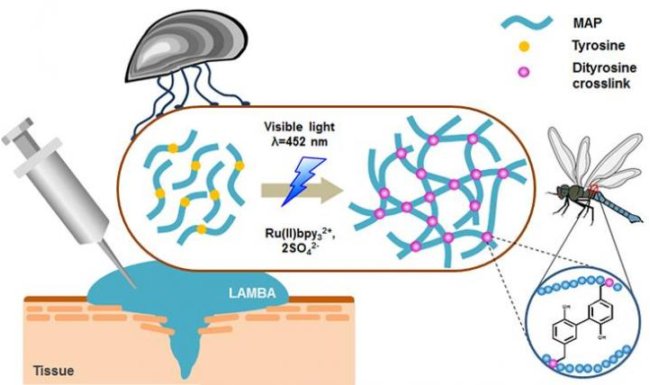
Mussel-Inspired Glue Closes Wounds In 60 Seconds
By combining mussel proteins with insect-style crosslinking, researchers have developed a superior glue that can work in wet environments.

Memory Arrays Made Simple With Nanowires
You can now print memory arrays faster, cheaper and on a large scale with this Korean research team's newly developed technology.

Fixing Carbon Dioxide With Cyanobacteria
Japanese researchers have used genetic engineering to improve the conversion rate of carbon dioxide to succinate by cyanobacteria.

An Asian Scientist Abroad: Alan Aw
Asian Scientist Magazine caught up with our first-ever intern, Mr. Alan Aw, on his recent scientific publications and his aspirations for the future.

Nanoparticle Delivers, Tracks Cancer Drugs
Researchers have synthesized a new nanoparticle that delivers cancer drugs to cells while monitoring the drug release in real time.
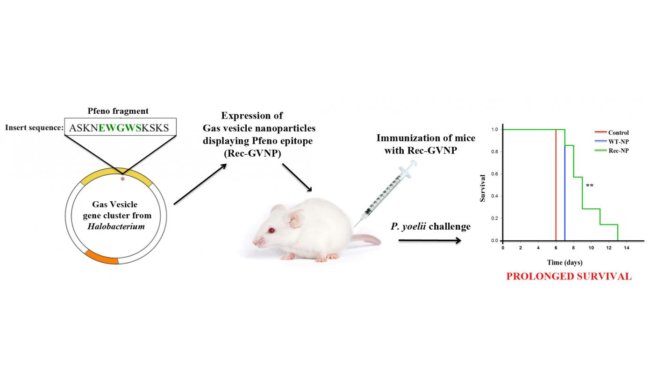
A Broad Spectrum Malaria Vaccine
Scientists have identified a key five amino acid segment present in all malaria-causing Plasmodium species, paving a way for the design of a broad spectrum malaria vaccine.