


The Asian Scientist 100
Can Li

Institution
University of Hong Kong
Country
Hong Kong
Field
Engineering
Li is a recipient of the 2023 Croucher Tak Wah Mak Innovation Award for his research exploring the limitations of digital computers in performing tasks accomplished by the human brain, including recognising faces, reasoning based on vague information, and learning from experience.
(Photo: University of Hong Kong)
AWARDS
- 2023 Croucher Tak Wah Mak Innovation Award
Related articles
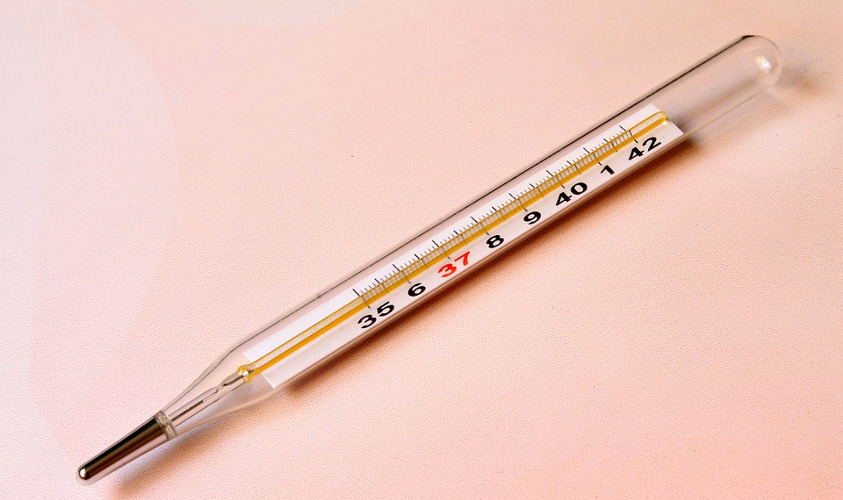
Tiny Thermometer Measures Minute Fluctuations
A research team in Japan has developed a thermometer that can measure rapid changes in temperature at the nanoscale.

Platinum Fuel Cells Made Practical
By incorporating nickel and other metallic elements into platinum catalysts, researchers have enhanced the performance and durability of fuel cells.

The Right Way To Put AI In Business
Many companies are in a hurry to cash in on the AI gold rush, but data-intelligence startup Adatos sets itself apart by only focusing on profitable use cases, says its managing director Mr Drew Perez.

The Power Of Exponential Thinking
To thrive in the Fourth Industrial Revolution, individuals, companies and societies can no longer afford to think about the future in linear terms, says Mr Charlie Ang, ambassador for Singularity University’s Singapore Chapter and Founder of Everything40.com.

Humans Can Perceive Without Seeing
Through a visual search experiment, a research team in Japan has shown that we may be able to ‘see’ what’s behind us without having to turn around.
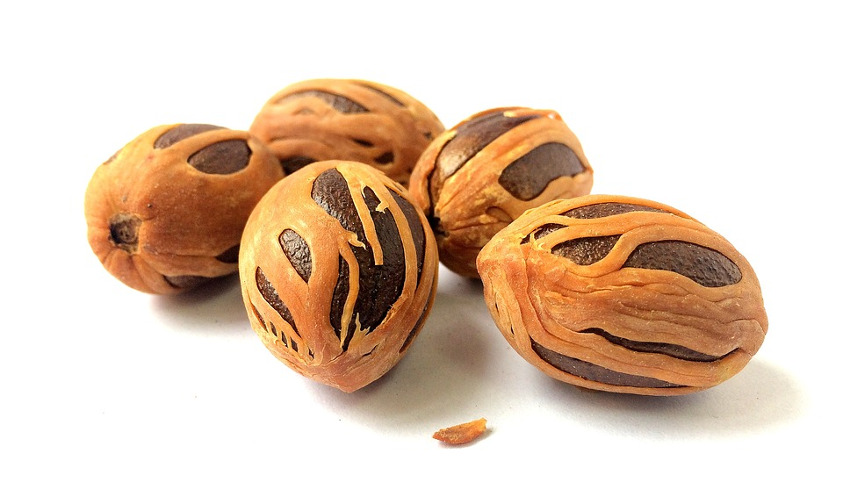
How Nutmegs May Protect The Liver
A research group in China has demonstrated that a compound in nutmegs—myrislignan—promotes liver health in mice.

Capillary Forces Enhance Lithium Sulfur Batteries
A team of researchers in South Korea has found that capillary forces in carbon nanofibers help prevent electrode degradation in lithium sulfur batteries.

Gene Editing Blocks HIV Transmission In Cells
Researchers have used gene editing to block the replication of HIV in human cells.
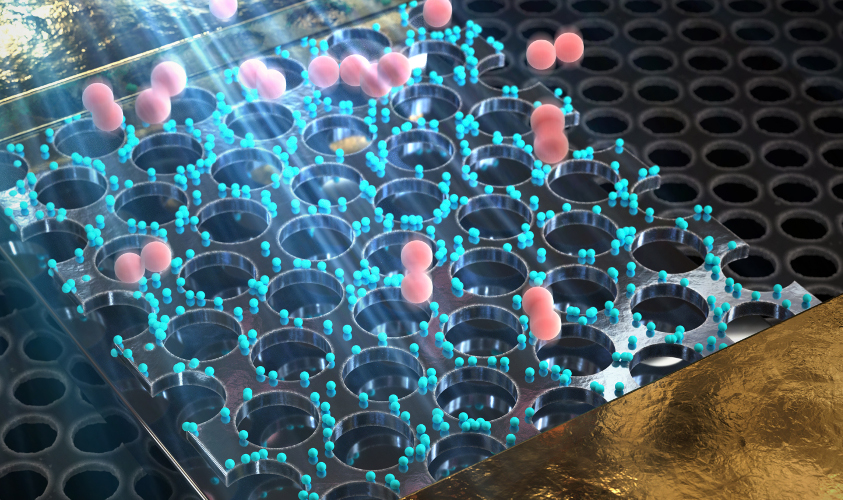
Detecting Hydrogen Gas Quickly And Cheaply
Scientists have fabricated a highly selective sensor that can detect hydrogen gas in under five seconds.