


The Asian Scientist 100
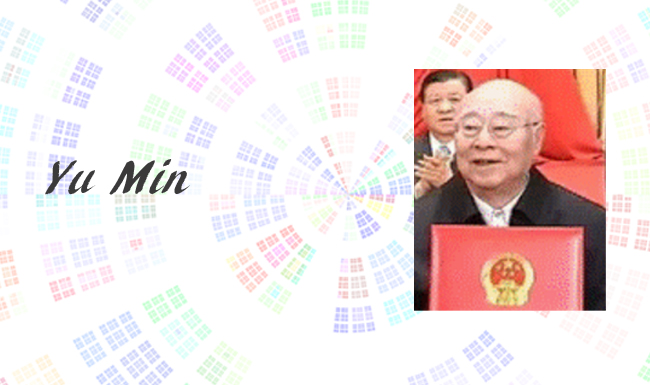
Yu Min
Academician
Institution
Chinese Academy of Sciences
Country
China
Field
Physics
Yu was given the 2014 National Highest Science and Technology Award, China’s top science award, for his research into hydrogen bombs.
(Photo: Peking University)
Related articles
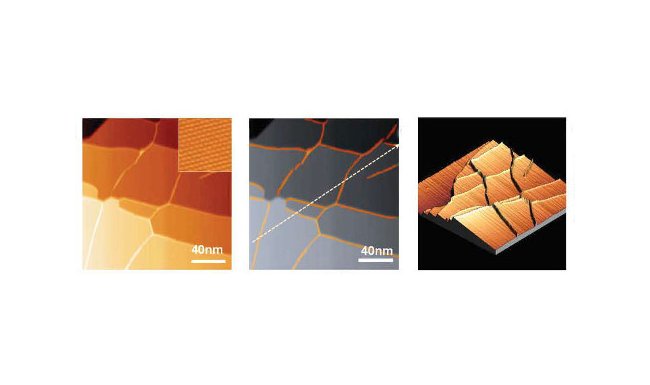
Manipulating Wrinkles To Turn Graphene Into A Semiconductor
Structurally introducing tiny wrinkles to the surface of graphene can turn it into a semiconductor material, scientists say.

How Mosquitoes Locate Veins So Quickly
Two olfactory receptors expressed on a mosquito's stylet are crucial for the accurate and efficient identification of veins for blood sucking.

Double The Quantum Fun
A detailed analysis of the electrical characteristics of a tiny transistor made from two quantum dots could help researchers design devices to manipulate single electrons.

How Dietary Restrictions Enhance Longevity
Enhancing the activity of the enzyme GNMT has been shown to extend the lifespan of fruit flies.

A Rare Glimpse Of An Einstein Ring’s Blackhole
The highest-ever resolution images of the SDP.81 galaxy have shed light on a supermassive black hole 300 million times the mass of the Sun.

Goods Made In China Cause More CO2 Emissions
Cheap goods manufactured in China come at a substantial cost to the environment, say scientists.
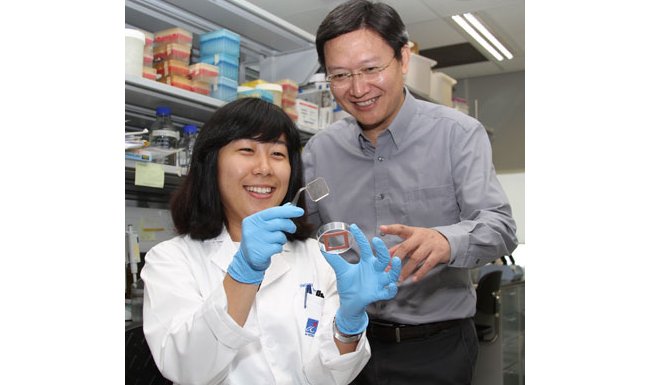
Recreating Embryo Development In A Dish
Micropatterned stem cell colonies could one day replace animal models in the testing of teratogens and other compounds.

Pollen Reveals The Hot, Wet Climate Of Ancient Apes
A study tracking pollen has found that apes survived the climatic changes of the late Miocene in hot and humid environments.

Cartilage Regeneration With Fetal-derived Tissue
An in vitro study has suggested that fetal cartilage-derived progenitor cells are a more active source of cells in cartilage cell replacement therapy compared to mesenchymal stem cells.