


The Asian Scientist 100
Yu Min
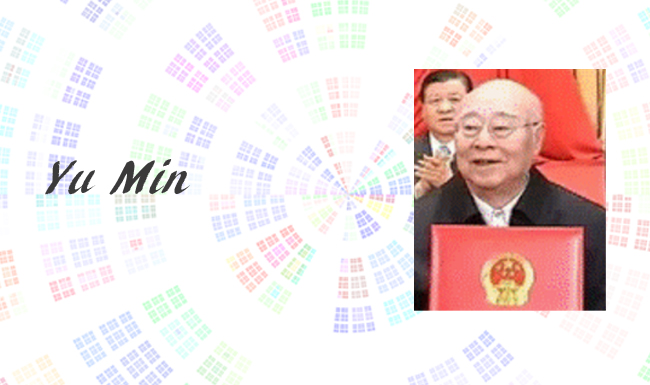
Academician
Institution
Chinese Academy of Sciences
Country
China
Field
Physics
Yu was given the 2014 National Highest Science and Technology Award, China’s top science award, for his research into hydrogen bombs.
(Photo: Peking University)
Related articles
530 million Year Old Mud Dragons Found
The first fossils of mud dragons have been found, tracing their ancestry to the Cambrian period.

ASLAN Raises US$34 Million For Immuno-Oncology
The US$34 million in Series C funding will be used to complete at least ten clinical studies for ASLAN's lead compound, ASLAN001.

UK And Chinese Scientists Join Forces To Combat Air Pollution
£5.5 million has been set aside for five four-year projects to study air pollution in Chinese megacities.

Quickly & Cheaply Distinguishing Chemical Lookalikes
Researchers have developed a versatile method to identify biologically important chiral compounds through NMR.

Neo Mei Lin & Ling Xing Yi Awarded 2015 L’Oréal Singapore National Fellowships
Drs. Neo Mei Lin and Ling Xing Yi have been recognized for their contributions to marine biodiversity and materials science respectively.
Topical Steroid Use In India “Out Of Control,” Says Expert
The lack of regulation surrounding the sale of topical steroid creams in India has led to side effects such as thin skin and an increased risk of bacterial and fungal infections, doctor says.

MERS Vaccine Unlikely Soon, Experts Say
Due to the difficulty of finding a suitable animal model to study the disease, researchers do not expect a working MERS vaccine within the next few years.

Exercise Helps Mice Escape Side Effects of Epilepsy Drugs
Having access to an exercise wheel seems to protect mice from the negative effects of prenatal exposure to antiepileptic drugs.

EmTech Asia Names 2016 Top Ten Innovators Under 35
Eight researchers and inventors based in Singapore and two from Australia have been selected as this year's finalists for EmTech Asia's top innovators under 35.