


The Asian Scientist 100
Yu Min
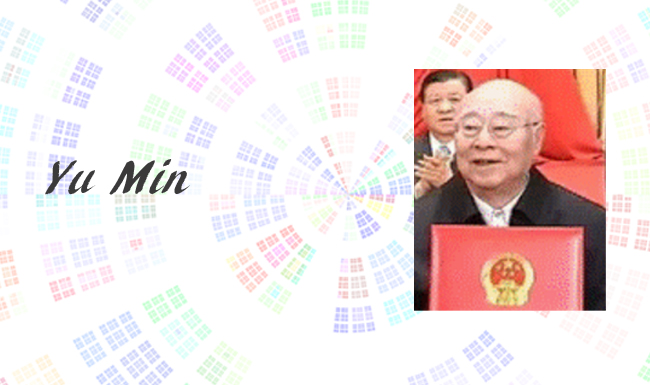
Academician
Institution
Chinese Academy of Sciences
Country
China
Field
Physics
Yu was given the 2014 National Highest Science and Technology Award, China’s top science award, for his research into hydrogen bombs.
(Photo: Peking University)
Related articles

To Tackle Alzheimer’s, Scientists Turn To The Brain’s Own Immune System
Blocking an immune checkpoint helped restore the function of microglia, the brain’s resident immune cells, while reducing toxic plaques and abnormal neuronal activity in mice.
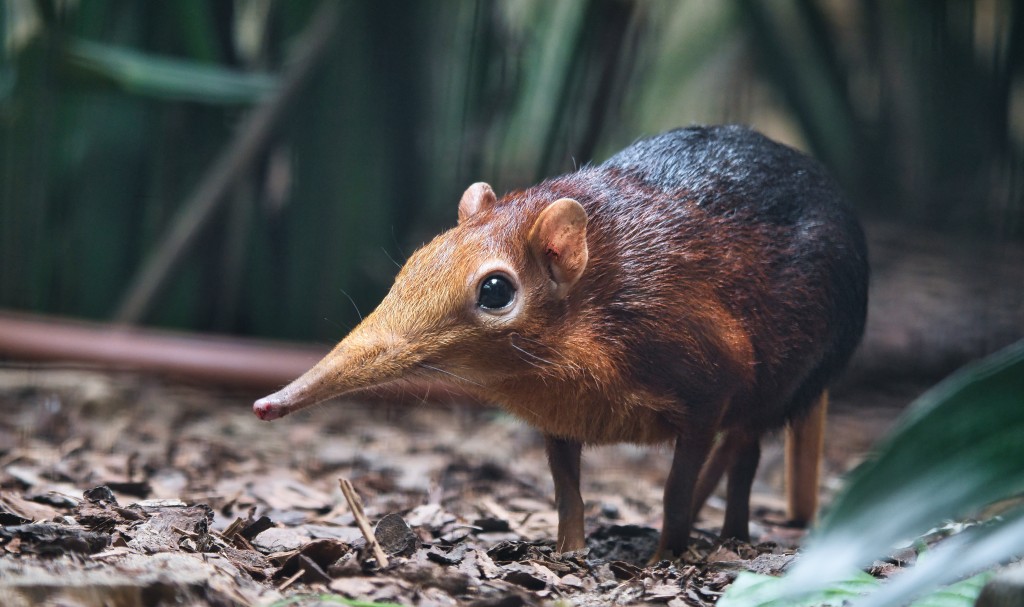
Shrews Reshape Their Skulls To Survive Winter
As tiny mammals shrink to conserve energy during winter, their skulls undergo a surprising transformation. While the braincase gets smaller, the snout grows, revealing a more complex pattern of seasonal remodelling than scientists expected.

Japanese Researchers Win Prestigious Lasker Awards
The Lasker Foundation awarded four Japanese researchers across two categories for their groundbreaking work in hemophilia and narcolepsy.
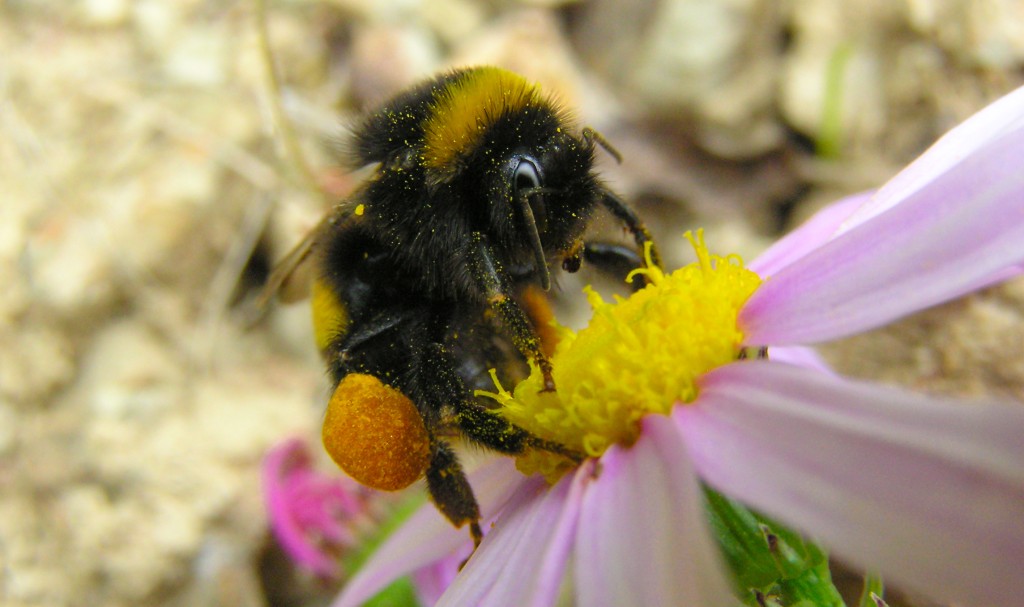
Bumblebees Make ‘Yum’ And ‘Eww’ Faces, Study Finds
A new study shows that bumblebees display distinct facial expressions after tasting food, revealing that insects can distinguish between liking and wanting.
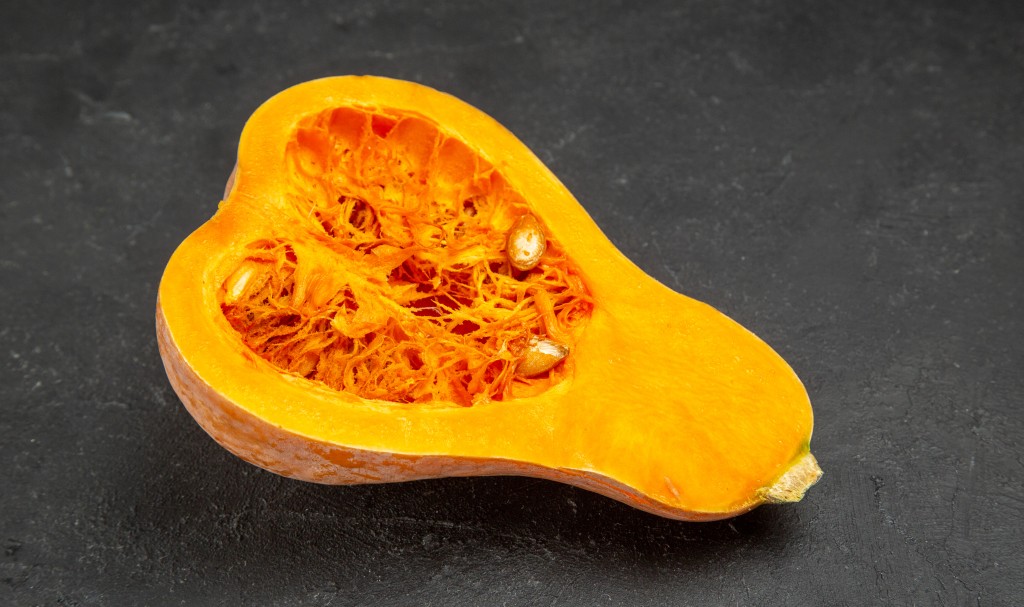
Pumpkin Peel Powers Packaging That Keeps Food Fresher For Longer
A new biodegradable film made with carbon dots derived from pumpkin peel could help reduce food spoilage and cut reliance on plastic packaging.
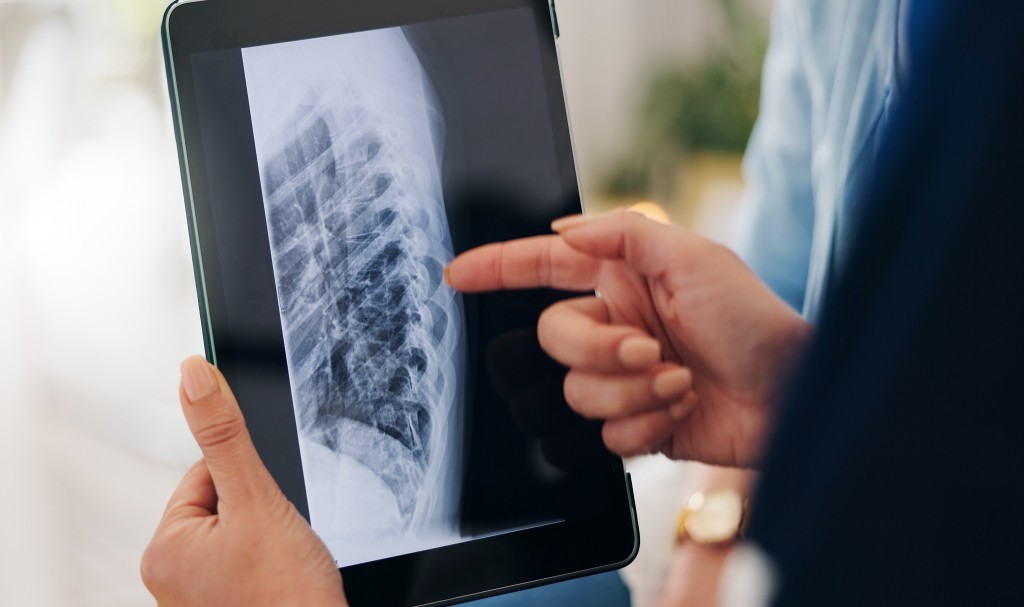
AI Can Help Spot Hidden Osteoporosis Risk From Chest X-Rays
Osteoporosis is often diagnosed only after a fracture. New study shows that AI can analyse routine chest X-rays to identify people with low bone density.

Your Medicine Cabinet Is Polluting The Ocean
Over-the-counter medication makes up the majority of pharmaceutical pollution in Hong Kong rivers, and may persist in rivers long enough to spread into coastal waters.
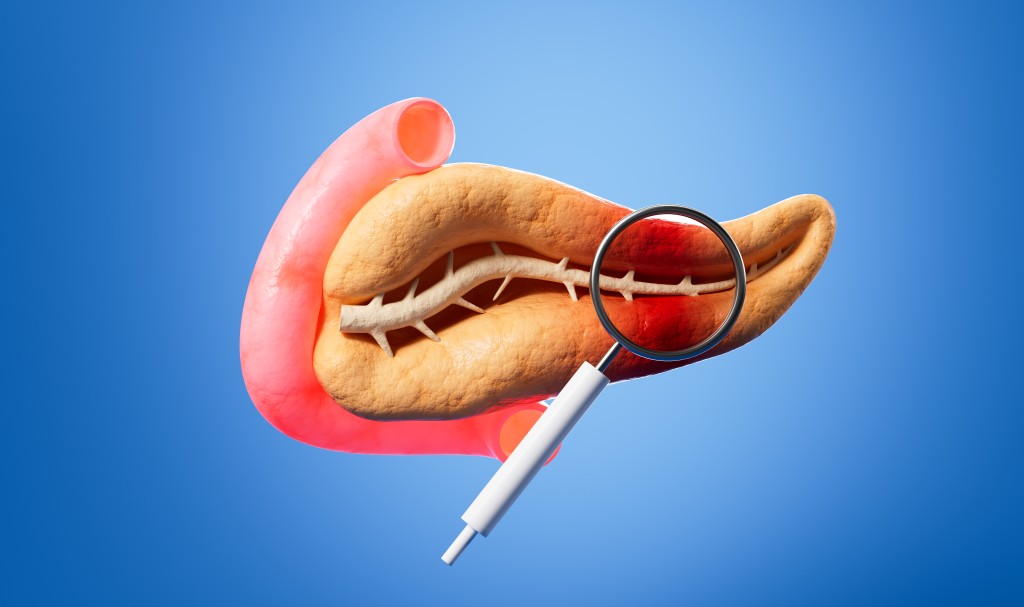
New AI Tool Boosts Pancreatic Cancer Detection
Cancer leaves behind a distinct chemical trail in the bloodstream. Now, researchers have trained an AI system to read those metabolic clues and spot pancreatic cancer more accurately.
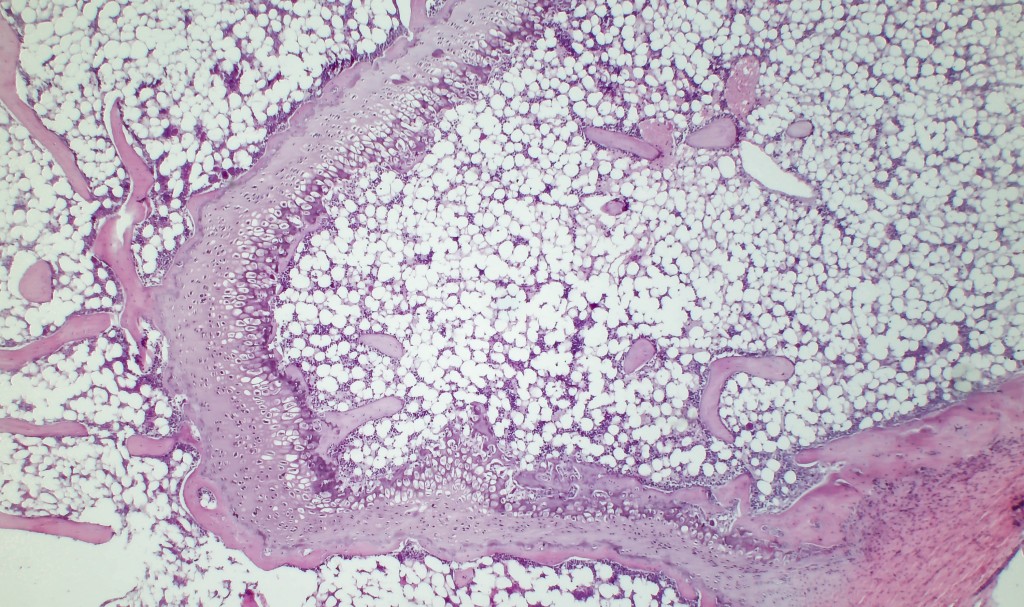
Researchers Identify The Cells That Make Space For Bone Marrow
A newly identified population of connective tissue cells helps hollow developing bones before handing off the task to marrow stromal cells that maintain the growing cavity.