


The Asian Scientist 100
Yu Min
Academician
Institution
Chinese Academy of Sciences
Country
China
Field
Physics
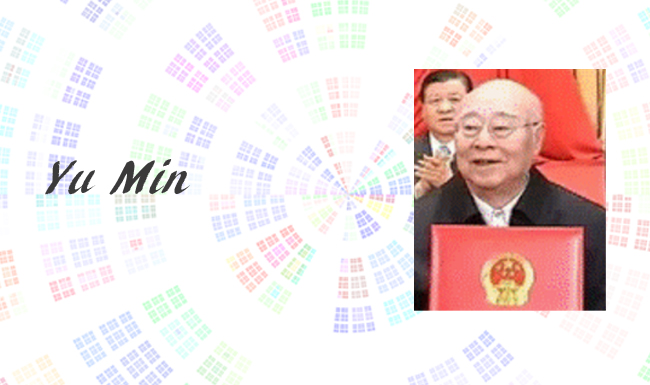
Yu was given the 2014 National Highest Science and Technology Award, China’s top science award, for his research into hydrogen bombs.
(Photo: Peking University)
Related articles

Biomarkers Identified For Better Diagnosis Of Peri-Implantitis
Researchers in South Korea have identified unique genetic markers of the chronic inflammatory disease that affects dental implants.
Nutrition Gets Personal
As more people in Asia use tech to closely regulate what they eat, personalized nutrition is becoming a new normal in the region.

Making Green Spaces Accessible in Cities
Green spaces close to locations frequented in daily routines can encourage city-dwellers to spend more time in nature.

An AI Model For Better Bone Cancer Prognosis
Kyushu University researchers have developed an innovative AI model for accurate osteosarcoma prognosis, thereby improving cancer detection and treatment.

An Eye On AI
Backed by immense computing power, breakthroughs in AI are transforming multiple facets of society, from the way we deliver patient care to how we harness renewable energy resources like solar power.

How Sika Deer’s Overpopulation Led To Forest Decline in Kyushu
Sika deer ate away the understorey vegetation of Kyushu's Beech forest, leading to soil erosion and exposed roots in the area.

A Big Feat: Scientists Have Turned Skin Cells Into Limb Cells
The finding opens up possibilities for using these transformed cells in regenerative therapies.
Green Bioplastics Can Help Reduce Plastic Waste In Japan
A new study sheds light on the potential of green bioplastics in achieving Japan’s carbon-neutral goals.

What Prevents Bystanders From Stopping Gender-Based Violence
Previous unsuccessful attempts in curbing violence is one of the main reasons dissuading bystanders, found the study.