


The Asian Scientist 100
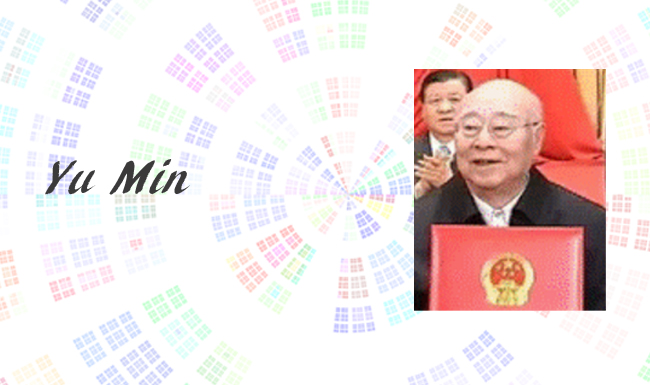
Yu Min
Academician
Institution
Chinese Academy of Sciences
Country
China
Field
Physics
Yu was given the 2014 National Highest Science and Technology Award, China’s top science award, for his research into hydrogen bombs.
(Photo: Peking University)
Related articles

Tibet Has Cleanest Air On Earth, Study
A new study has found that Tibetans around the sacred Nam Co Lake in Tibet breathe in almost perfectly clean air.

Spread Of Genes From GM Rice ‘Unavoidable But Slow’
The spread of genes from genetically modified crops to neighboring wild plants may not happen as quickly as feared, according to a study conducted in Chinese rice fields.
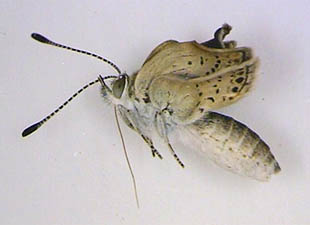
Fukushima Disaster Caused Mutant Butterflies, Study
Japanese researchers have found mutations in butterflies in the Fukushima region, signaling early changes to the local ecosystem after the March 2011 disaster.

The Guessing Game: How We Predict Other’s Decisions
Researchers in Japan have uncovered two brain signals in the human prefrontal cortex involved in how humans predict the decisions of others.

Chinese-Style Meditation Linked To Brain Changes
Scientists report that practising Chinese mindfulness meditation regularly for a month may lead to positive behavioral changes and structural changes in the brain.
OPINION: Want To Get Ahead This Century? Learn An Asian Language
Dr. Yuko Kinoshita of the University of Canberra looks at Asian languages in Australia, and why we should all try harder to learn them.

Asbestos: Deadly But Still Not Banned In Asia
Even though public health experts recognize how deadly asbestos can be, its use is on the rise in the construction industry throughout Asia, according to the U.S. Geological Survey.

Asian Honey Bees Defend Colony By Teaming Up & Shaking Their Bellies
Asian honey bee guards exhibit a peculiar behavior whenever a predator is around – they band together and “shake” their abdomens from side to side for a few seconds.

No Rice, No Way: Indonesia Attempts To Wean Population Off Rice
Indonesia’s attempt to wean its population off rice has been hampered by a lack of viable alternative staples and cultural attachment to the grain, experts say.