


Nishat Anan

ABOUT
Nishat is a science journalist. She graduated with an MSc in Biomedical Science from Monash University where she worked with a cellular model of Parkinson’s Disease. Nishat loves lending her voice to bring science closer to society.
Stories by Nishat Anan

The Split Nap Hack for All-Nighters
A new analysis of night shift nap studies points to the optimal snooze schedule for fending off exhaustion and drowsiness in early morning hours.
Weathering Makes Microplastics Even More Toxic
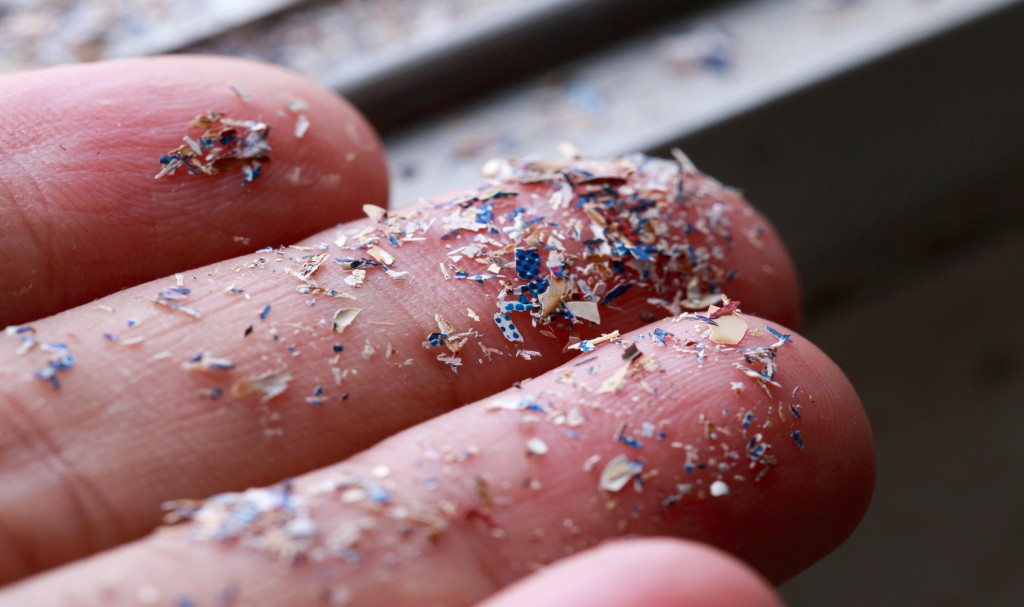
Microplastics that have undergone natural weathering acted as harmful neurotoxins in mice, shows a study from South Korea.

How COVID-19 Puts Maternal and Fetal Health At Risk
The study explains underlying molecular changes that occur in placenta during COVID-19 infection, and urges pregnant women with COVID-19 symptoms to get tested.

How Fear Affects What We See
Scientists in Japan have identified a cluster of neurons in fruit flies that control their instinct to avoid potentially scary objects.

Excessive Groundwater Extraction Has Shifted The Earth’s Spin Axis
The findings also show that excessive groundwater pumping is contributing to rising sea levels.

Powerhouse Women Engineers Of Our Time
To celebrate International Women in Engineering Day 2023, we look at the exceptional work of five trailblazing female engineers who are shattering gender stereotypes in the field.

Human ‘Blood Microbiome’ Disproved
In the most comprehensive study to date, Singaporean researchers have debunked the existence of a shared microbial community in healthy human blood. The breakthrough offers a vital baseline to prevent transfusion-related sepsis.

Young Adults’ Mental Health In Singapore Need Urgent Attention
A new survey shines a light on the rates of depression and anxiety among Singapore’s youth.
New Research Advances Treatment Of Male Infertility
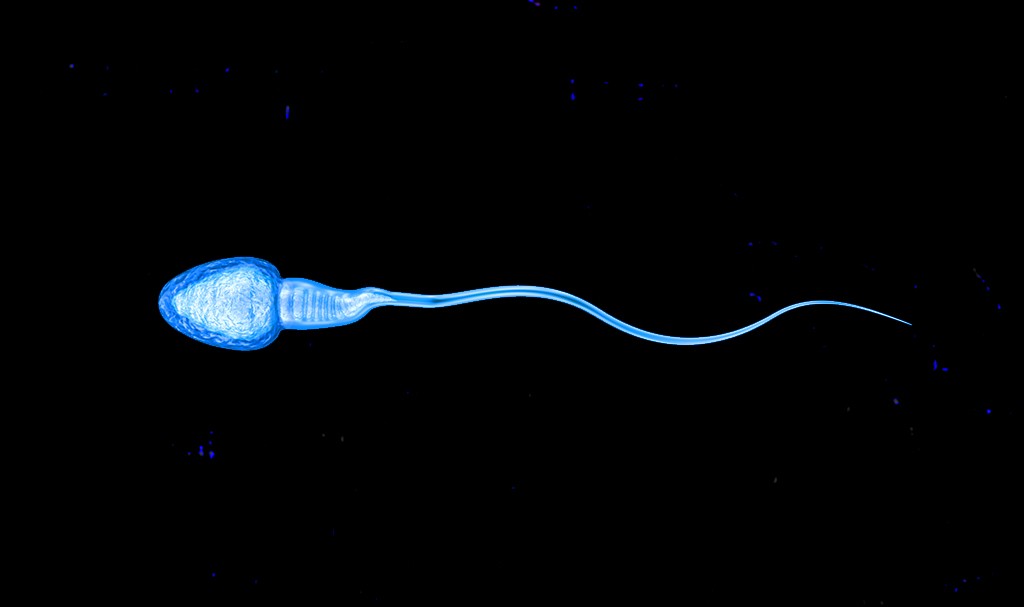
Researchers from Japan unveil a key mechanism of sperm maturation in mice models that can potentially be targeted to develop safe male contraceptives.