


The Asian Scientist 100
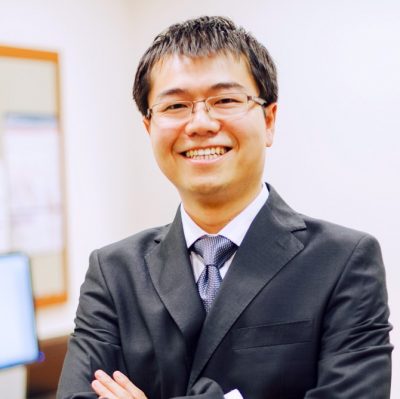
Yan Ning
Institution
National University of Singapore
Country
Singapore
Field
Environmental Sciences & Geology
For his research on harvesting materials from waste through rational catalytic design, Yan was awarded the 2017 Environment, Sustainability and Energy Division Early Career Award.
(Photo: National University of Singapore)
AWARDS
- 2017 Environment, Sustainability and Energy Division Early Career Award
Related articles

EmTech Asia Announces 2018’s Innovators Under 35
Ten individuals from Singapore, Australia and Taiwan have been selected as finalists for MIT Technology Review’s Innovators Under 35 program.

Singapore Honors Top Scientific Talent
Eight research scientists and engineers in Singapore were honored this evening at the Republic's 2013 President’s Science and Technology Awards.

China Launches Its Own Million Dollar ‘Nobel’ Prize
From 2017, the privately funded Future Science Awards will recognize the achievements of Chinese scientists in the life sciences and materials science.

Toward A Therapeutic Vaccine For Hepatitis B
Scientists are developing a much needed therapeutic vaccine against hepatitis B that could also treat chronic hepatitis.
Fosun Commits US$111 Million To Partnership With Public Hospital
The partnership between Fosun and Taizhou Muncipal Hospital will add approximately 2,000 new hospital beds to serve the residents of Taizhou.

Facing Up To The Future
With facial recognition technology now widely used in law enforcement and in consumer devices, has privacy become a relic of the past?
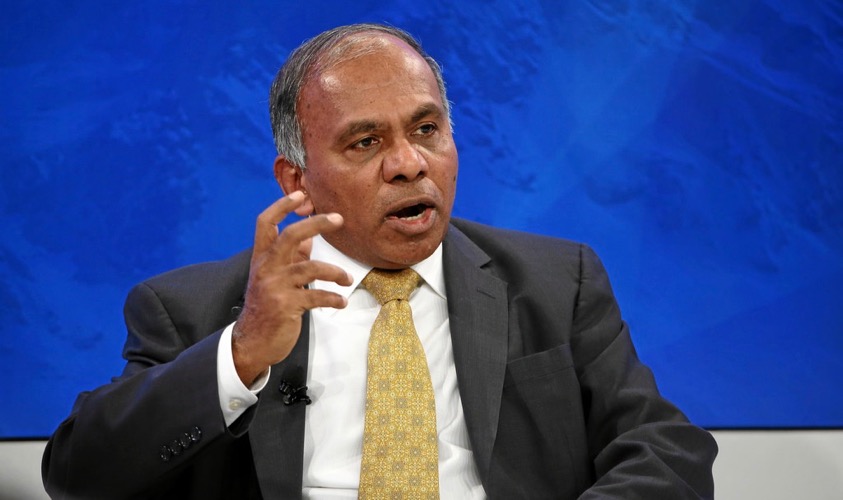
5 Things You Need To Know About Subra Suresh, NTU’s Incoming President
Nanyang Technological University Singapore will welcome a new president in January 2018. Here’s five things you need to know about Professor Subra Suresh, a much-feted engineer and prolific author.
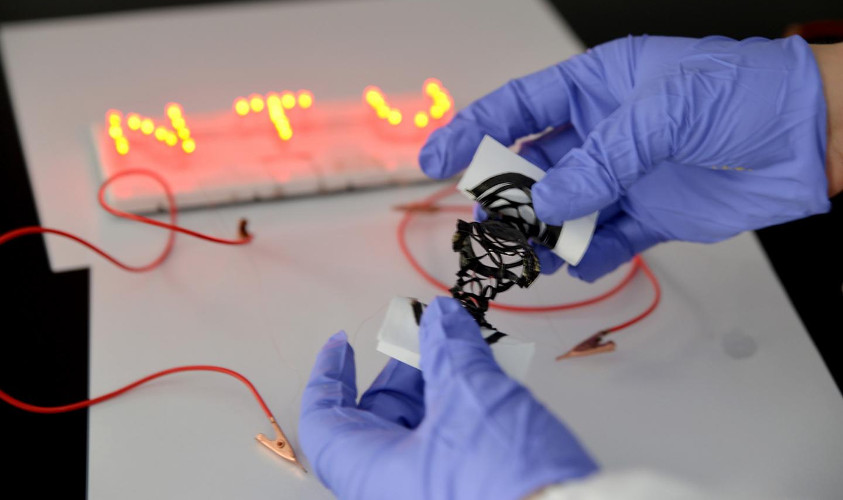
A Wearable Battery You Can Fold And Stretch
A team of scientists in Singapore has developed a customizable supercapacitor that can be used as a power source for wearable devices.
What Maketh Good Science? (VIDEO)
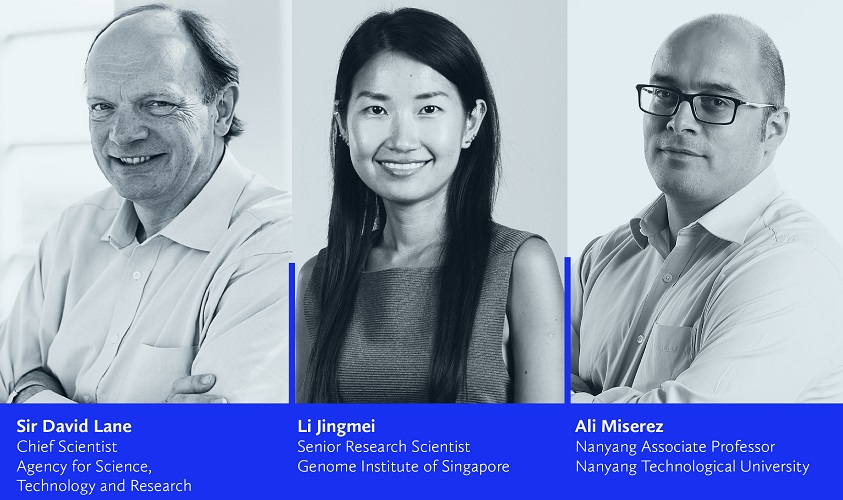
At an exclusive fireside chat on 6 November 2017, three distinguished scientists will field questions from students and junior scientists on publishing strategy, grantsmanship and careers in science.