


The Asian Scientist 100
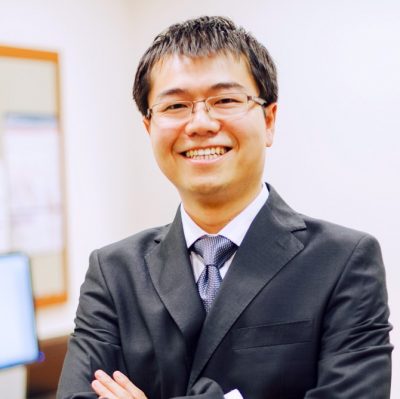
Yan Ning
Institution
National University of Singapore
Country
Singapore
Field
Environmental Sciences & Geology
For his research on harvesting materials from waste through rational catalytic design, Yan was awarded the 2017 Environment, Sustainability and Energy Division Early Career Award.
(Photo: National University of Singapore)
AWARDS
- 2017 Environment, Sustainability and Energy Division Early Career Award
Related articles

NTU Partners Desay SV For Automotive Cybersecurity R&D
The partnership will focus on research to make automotive electronics, such as in-vehicle infotainment and advanced driver assistance systems, more cyber secure.

Get That Grant
Grants are the lifeblood of scientific research; here three successful scientists share some tips and tricks for securing your next grant.

FML, The Scientist Version
Every now and then, a lab fail will happen for some inexplicable reason. Until you’ve ruined at least one sample pre-analysis, you can’t call yourself a real scientist!

No Lens, No Problem!
A technique that can capture sharp, multi-colored images without a lens could pave the way for slimmer cameras and smart phones.

Early Life Nutrition Goes Digital
Digital tools are providing parents with new ways of tackling age-old parenting problems and arming researchers with data.

Wound Healing On A Different Scale
A research group in Singapore has developed a method to use waste fish scales as a source of collagen for wound healing.

The Age Of The Astropreneur Is Here
As space becomes increasingly democratised, even small companies in small countries can get in on the game, says Dr Bidushi Bhattacharya, CEO and co-founder of Singapore-based space tech incubator Astropreneurs HUB.

A Blood Test For Alzheimer’s Disease
Researchers have developed a blood test that can diagnose Alzheimer’s disease with 90 percent accuracy.

Securing A Digital Future
Not even the tech giants are immune to being hacked, said industry experts at a SGInnovate panel that discussed how security can be beefed up in cyberspace.