


The Asian Scientist 100
Yan Ning
Institution
National University of Singapore
Country
Singapore
Field
Environmental Sciences & Geology
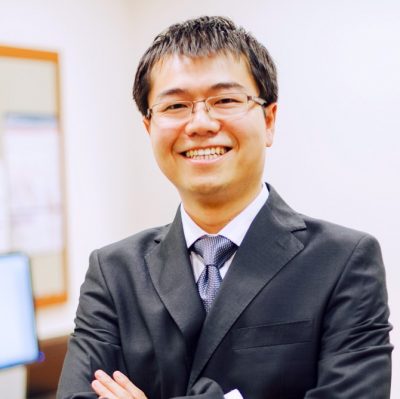
For his research on harvesting materials from waste through rational catalytic design, Yan was awarded the 2017 Environment, Sustainability and Energy Division Early Career Award.
(Photo: National University of Singapore)
AWARDS
- 2017 Environment, Sustainability and Energy Division Early Career Award
Related articles

Alibaba Launches First AI Research Institute Outside Of China
NTU Singapore and Alibaba Group have launched a joint research institute for developing artificial intelligence technologies.

Selectively Creating Useful Ring-Shaped Molecules
With the help of computer simulations, scientists have devised a method to create ring-shaped molecules from inexpensive feedstock chemicals for use in the pharmaceutical industry.

Nanoparticles Make Pesticide Detection Super Sensitive
Using polystyrene coated magnetic nanoparticles, scientists in Singapore were able to detect trace amounts of pesticide on vegetables in less than two hours.

Bacteria Spews Cyanide To Fend Off Predators
A team of scientists in South Korea have revealed how one bacterium inhibits predators with cyanide.

Intuition In The Age Of Information
Data may rule the digital age, but it cannot completely replace gut instinct and business experience, says Professor Li Yan of ESSEC Business School, Asia-Pacific.
The Proteins That Wake Sleeping Neural Stem Cells
A protein in the spindle matrix complex called Chro holds the secret to awakening stem cells in the brain, researchers say.

Chinese Herb Suspected To Have Caused Severe Heart Disorder
A 45-year-old Chinese woman experienced severe heart arrhythmia after consuming an extract from the Aconitum plant, also known as devil’s helmet or monkshood.

Paying For Stored Carbon: Possible, But Complex
Indonesia’s success on carbon storage payments shows a way forward despite global stalling, says Julian Caldecott.
Electrifying The Wastewater Sector
Hydroleap’s electrocoagulation technology is helping a diverse range of industries deal with their wastewater in a more eco-friendly manner.