


The Asian Scientist 100
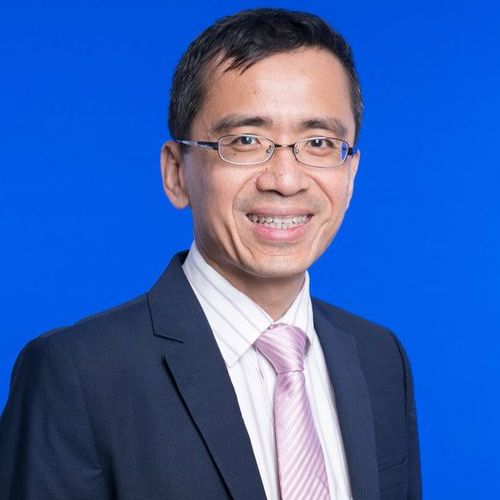
Tan Eng King
Institution
National Neuroscience Institute
Country
Singapore
Field
Life Sciences
Tan Eng King received the 2018 President’s Science Award for identifying clinical biomarkers, developing novel models and transforming patient care in Parkinson’s Disease. (Photo: National Neuroscience Institute)
Related articles

The Case For Restoring Hong Kong’s Oyster Reefs
Oysters aren't just tasty; they're good for the environment too—which is why Hong Kong's conservationists are racing to restore local oyster reefs.

Pitching For A Home Run
TechInnovation 2020 saw start-ups, polytechnics and universities presenting new technologies and ideas across crowdpitching sessions on four unique themes.

Hatching A Plan For Innovation
The IPHatch open innovation challenge connects promising start-ups with industry players to leverage intellectual property for growth and innovation.

Kickstarting The Search For Sustainable Solutions
Innovators with sustainable solutions will have the opportunity to be awarded up to S$1 million in supporting grants by taking part in this year’s Sustainability Open Innovation Challenge.
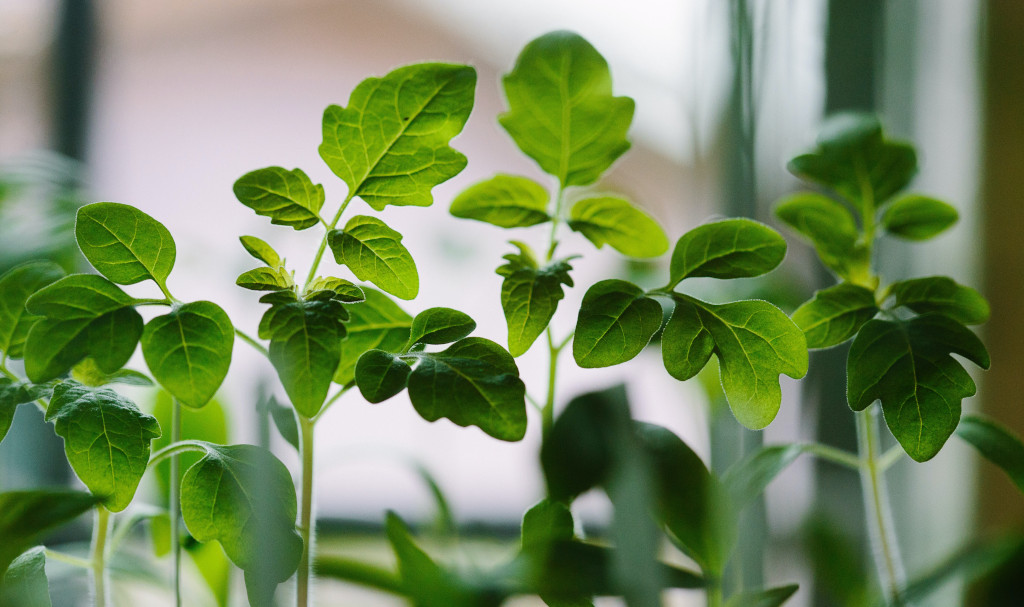
Transforming Earth’s Trash Into Space’s Treasure
Converting human waste into liquid fertilizer may be the key to growing food in space, find researchers from Japan.

Follow The Money
Forget speed; 5G is really about transforming the way business is done, says Huawei’s chief technology officer Paul Scanlan.

Gay Jane Perez: The Philippines’ Space Whisperer
For helping launch the Philippines’ first microsatellites, Dr. Gay Jane Perez is proof that the sky’s the limit in agricultural innovation.
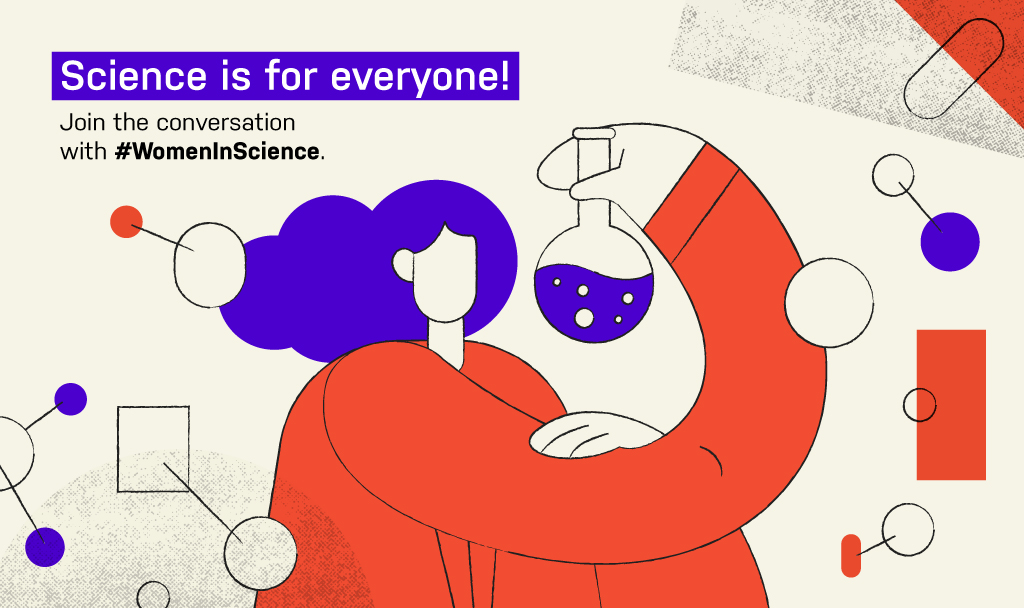
Attracting Singapore’s Girls And Women Into STEM
While parents in Singapore envision both male and female children pursuing careers in STEM, there should be more efforts to improve gender diversity outside the classroom.

STEM Subjects Popular In School, But Challenges Crop Up In The Working World
Science and technology is the top career choice for parents of both boys and girls, but more needs to be done to improve gender diversity beyond the classroom.