


The Asian Scientist 100
Lu Ke

Institution
Chinese Academy of Sciences
Country
China
Field
Materials Sciences
Lu is the winner of the 2020 Future Science Prize (Physical Science Prize) for discovering and synthesizing a superior nanotwinned structure and gradient nanostructure.
(Photo: Future Science Prize)
AWARDS
- Future Science Prize 2020
Related articles
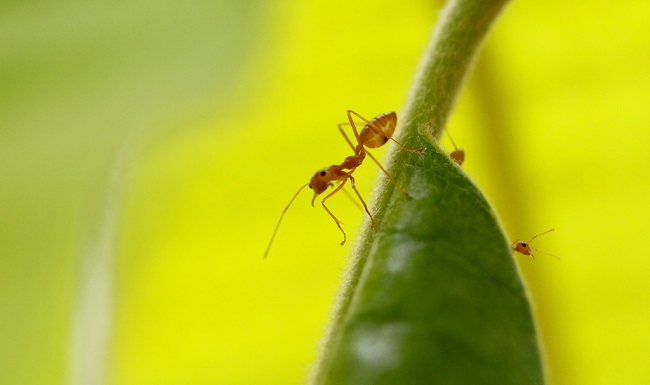
Do ‘Ant Repellents’ Protect Nectar Or Bees?
The amount of ant repelling compounds plants produce correlates to the size of the bee polinators they attract, study says.
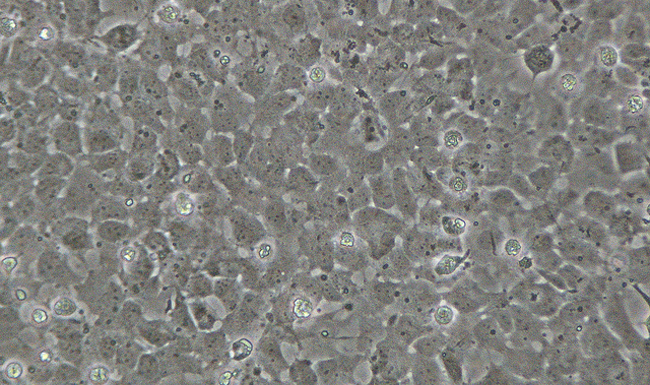
Pluripotency Factor Actually A Telomere Enlongator
Zscan4, originally believed to be involved in pluripotency of stem cells, is actually triggered by shortened telomeres to regenerate the telomere length.

Eating Your Way To Longer Life, The Japanese Way
Those who adhered closely to a food guide published by the Japanese government was found to have a lower risk of death from all causes, particularly stroke.

How Does The Brain Perceive Optical Illusions?
Optical illusions like the Pinna illusion activates the medial superior temporal area in the brain, which represents illusory rotation as if it were real rotary motion.

Reprogrammed Stem Cells Shed Light On Bone Cancer
Although not sufficient to cause bone cancer on its own, the EWS-FLI1 gene predisposes cells to cancer by preventing differentiation.

Have Your Seaweed (And Drink It, Too)
The National University of Singapore is collaborating with a food manufacturer on food and drink products made from eucheuma, a type of seaweed with an array of health benefits.

What Basket Weaving Teaches Us About Spin Liquids
Atoms in spin liquids take the form of a kagome lattice structure, named after a Japanese basket weaving technique.

Cambodia And Belgium Strengthen Ties Through Agro-Food Partnership
Universities and partner institutions in Europe and Southeast Asia are partnering on the Erasmus Plus program to further knowledge in agriculture, food science and technology.

The Electrifying Effect Of Astrocytes On Depression
The benefits of stimulating the brain with an electrical current to reduce depressive symptoms come from its effects on astrocytes, not neurons.