


The Asian Scientist 100
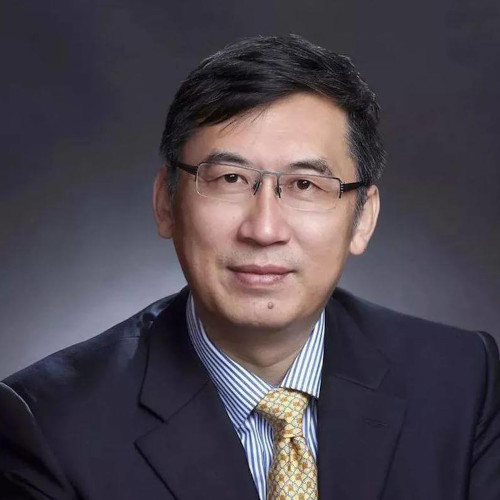
Lu Ke
Institution
Chinese Academy of Sciences
Country
China
Field
Materials Sciences
Lu is the winner of the 2020 Future Science Prize (Physical Science Prize) for discovering and synthesizing a superior nanotwinned structure and gradient nanostructure.
(Photo: Future Science Prize)
AWARDS
- Future Science Prize 2020
Related articles

Tai Chi May Help Reduce Blood Pressure
Traditional Chinese exercises such as Tai Chi, Qigong and Baduanjin have been found to have beneficial effects on blood pressure in people living with heart disease.

Researchers Develop World’s Thinnest Lens
At one two-thousandth the width of a human hair, this lens could have potential applications in miniature cameras and flexible computer displays.
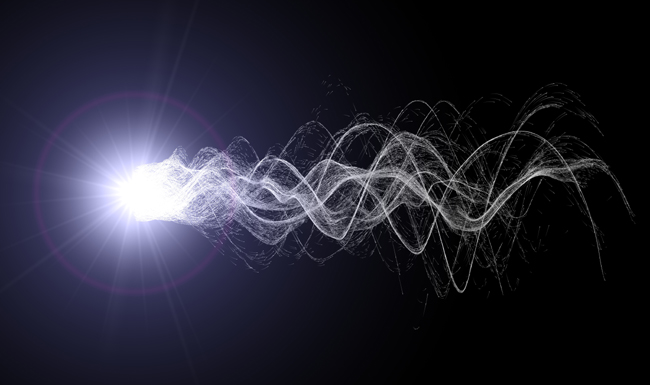
Precise Measurement Of Antineutrino Spectrum Reveals Calculation Discrepancy
The most precise measurement of an antineutrino spectrum to date shows that calculations based on theoretical models may not be so accurate.
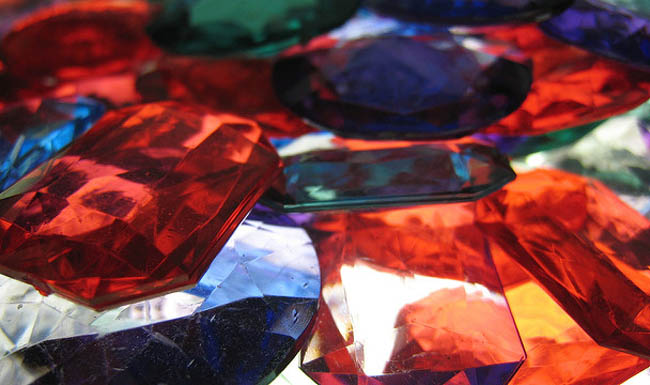
Microwave Heating Can Make Rubies Redder
Researchers in India have found that microwave heating can improve the color saturation, clarity and luster of rubies.
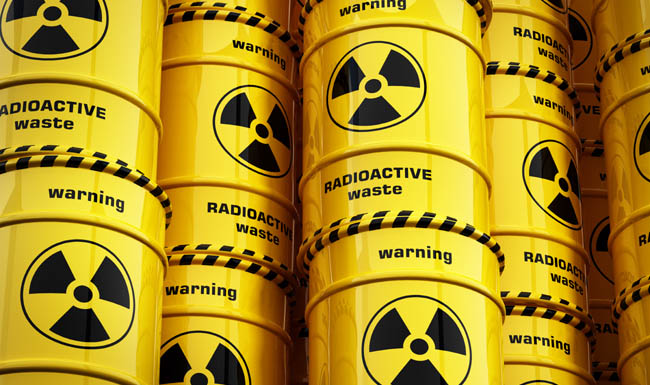
Clearing Radioactive Waste With Light Activated Pumps
In the presence of light, this molecular pump collects and stores cesium—particularly useful for cleaning up after nuclear disasters.
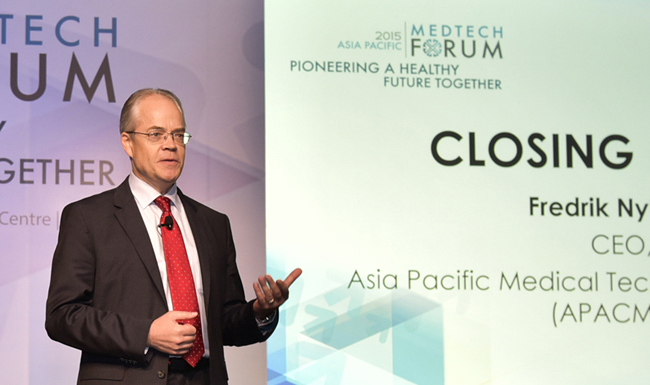
Medtech Looks East: Interview With APACMed CEO Fredrik Nyberg
Innovation in medical technology is shifting to Asia, says Mr. Fredrik Nyberg, CEO of APACMed.

Researchers Increase OLED Device Lifetime Eightfold
By adding layers of a lithium-containing molecule to a thermally-activated delayed fluorescence material, researchers were able to increase its device lifetime without sacrificing efficiency.
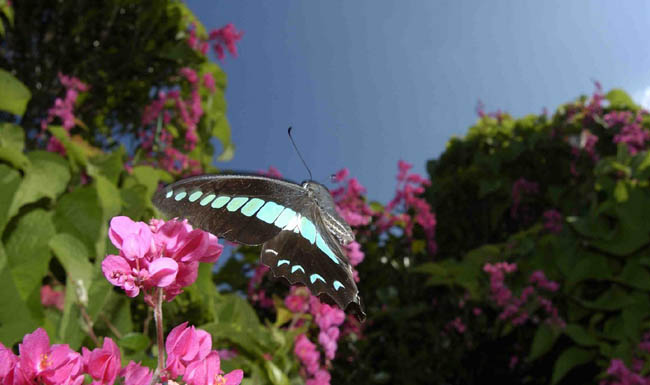
These Butterflies See The World In 15 Shades Of Photoreceptors
Common Bluebottle butterflies have at least 15 different classes of photoreceptors, or light-detecting cells, in their eyes; no other insect has more than nine.
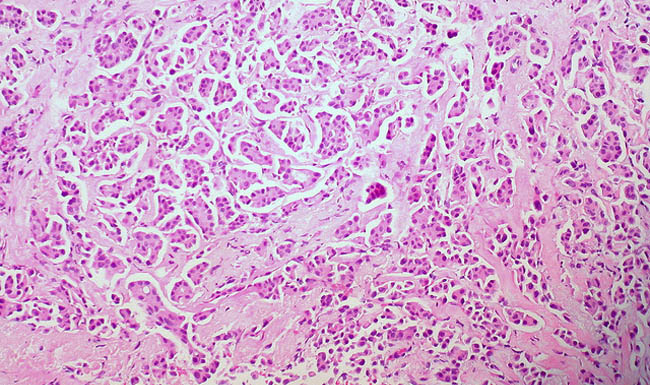
Breast Cancer Cells Accumulate Epigenetic Changes Over Time
Researchers have found that healthy tissue samples taken from women with breast cancer are already ‘marked’ as being susceptible to turning cancerous.